
If you’ve only had milk from a plastic jug, “fresh from the dairy” probably sounds like marketing jargon. As someone who grew up on whichever brand of milk happened to be on sale, I thought milk was milk, no matter where it came from. In fact, if you had asked me a few weeks ago if I liked milk, I would have responded with an emphatic “NO!” To me, it always tasted vaguely sour and cardboard-y, even if the sell-by date said it was fine.
Recently, however, I got to try some milk that had come from a local dairy and been processed that day, and I was blown away by what a different experience it was. The texture was creamier than what I was used to, and it was more flavorful. Even mildly sweet. It got me wondering if the difference in flavor is really just the result of freshness, or is there something more to it?
Table of Contents
Why Getting Fresh Milk Makes a Difference
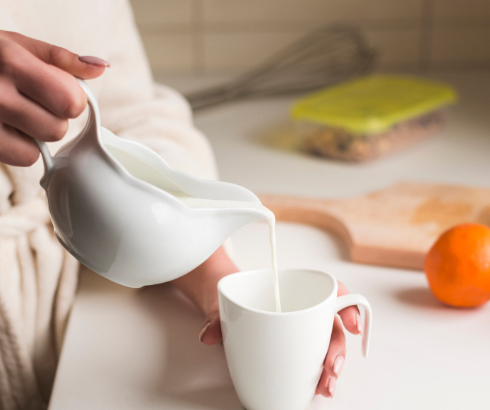
Milk has a mild flavor, which means even small shifts in taste are noticeable. In fact, “off” flavors can start to develop within 24 hours as a result of light and oxygen exposure.
Riboflavin, also known as vitamin B2, is particularly sensitive to light, transferring energy into oxygen. As oxygen reacts with polyunsaturated fatty acids in the membranes of milk fat globules, it produces aldehydes and ketones. These compounds then shift the flavor in unpleasant ways (like the cardboard-y taste I mentioned before).
Processing also plays an important role. Large dairy companies need to ensure their milk stays good long enough for you to pick it up at the store during your regular grocery run. This requires pasteurization at a high temperature in order to wipe the bacteria that causes spoilage. But while this extends the shelf life of the milk, the intense heat exposure flattens the flavor and releases sulfur compounds. As a result, milk can taste cooked or even a little eggy.
So at the most basic level, the sooner the milk is able to get from the cow to your fridge, with the least amount of exposure to light and oxygen, the better it’s going to taste.
Smaller dairies often have a shorter supply chain, delivering directly to customers or stores themselves. Because their dairy products are more likely to be consumed within a two- or three-week window, they are able to use a gentler pasteurization process that preserves more of the farm-fresh flavor. Seattle-area dairy Smith Brothers is a great example of this model, as they process their milk daily and deliver it directly to their customers.
Why Farm-Fresh Milk Feels Creamier
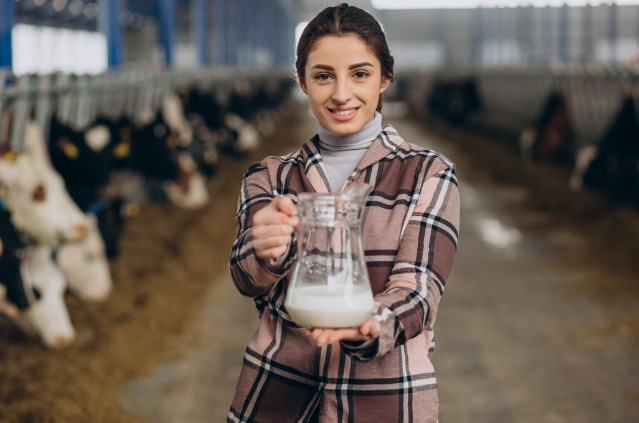
Another thing that surprised me about farm-fresh milk was how much richer it tasted, even though I hadn’t opted for whole milk.
Standard store brands put their milk through a homogenization process in order to ensure each container looks, tastes, and feels the same. As part of this process, milk is sent through a high-pressure pump that breaks up fat globules so they are evenly distributed throughout the beverage. This distributes the cream throughout the milk, ensuring it doesn’t rise to the top. This process also increases the shelf life and allows producers to mix milk from different cows into one batch.
Smaller dairies, on the other hand, often choose to keep their milk closer to its natural form. This keeps more of the flavor intact and makes for more of an authentic drinking experience. Over time, the fat globules rise to the top, which creates a layer of cream. If you want to redestribute the cream throughout the milk, all you have to do is shake the container. You can also skim off the top layer of cream and add it to your coffee!
How the Container Affects the Flavor
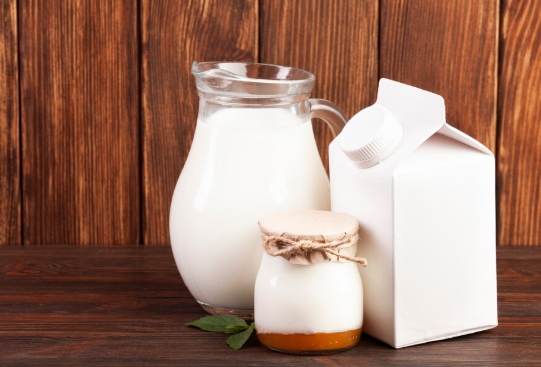
Along with being vulnerable to light, milk can easily pick up flavor notes from its surroundings. That means what your milk is stored in can actually make a big difference in how it tastes.
The clear plastic jugs most of us are familiar with became popular in the 1960s, thanks to their relative durability and lighter weight. While they are cost effective for the business, they also allow more light and oxygen to reach the milk, which negatively impacts the flavor.
Glass bottles are more than a nostalgic relic; they also protect the taste and freshness of the milk. Glass is non-reactive, and it doesn’t contain or absorb other flavors that might influence taste. But even though glass is a much better option than plastic, it still leaves the milk vulnerable to light. It’s also the heaviest option, and it’s more brittle—and fragile—than plastic and paper, which can make it harder to transport. While this doesn’t affect the flavor directly, the difficulty with transportation does make glass the most expensive option, which is a big reason it’s become less popular over the years.
Paper cartons may not have the aesthetic appeal of old-fashioned glass bottles, but they do a great job of keeping milk fresh and delicious. Multilayered paper cartons block light, act as a barrier to oxygen, and provide better insulation than plastic. Their lighter weight also makes them easier to transport than glass, while their paper construction makes them easy to recycle. Paper also doesn’t transfer its own flavor to the milk in the way that plastic containers can.
How the Cow Affects the Flavor
There’s no doubt that milk from a dairy will taste different based on freshness alone, but that’s not the only difference between local dairy farms and major dairy corporations. Smaller dairies often feed their cows with fresh pasture and rotational grazing, which can add grassy or earthy notes to the milk.
Some smaller dairies also specialize in milk from Jersey or Guernsey cows, which have traits and flavor elements that differ from milk from Holstein cows. Milk from Jersey cows has higher protein, calcium, and butterfat content. The higher amount of butterfat creates a sweet, rich-tasting milk that makes it a popular base for butters and cheeses.
Guernsey milk is also prized for its rich, creamy flavor as well as its golden coloring. Guernsey cows don’t break down beta-carotine during digestion the way other cows do, which gives their milk its unique color and a deep, almost earthy flavor. They also produce A2 Beta-Casein protein rather than the A1 protein that’s often more common in milk. For many people, this alternative protein is gentler on the stomach and easier to digest.
Making the Switch to Fresh Dairy
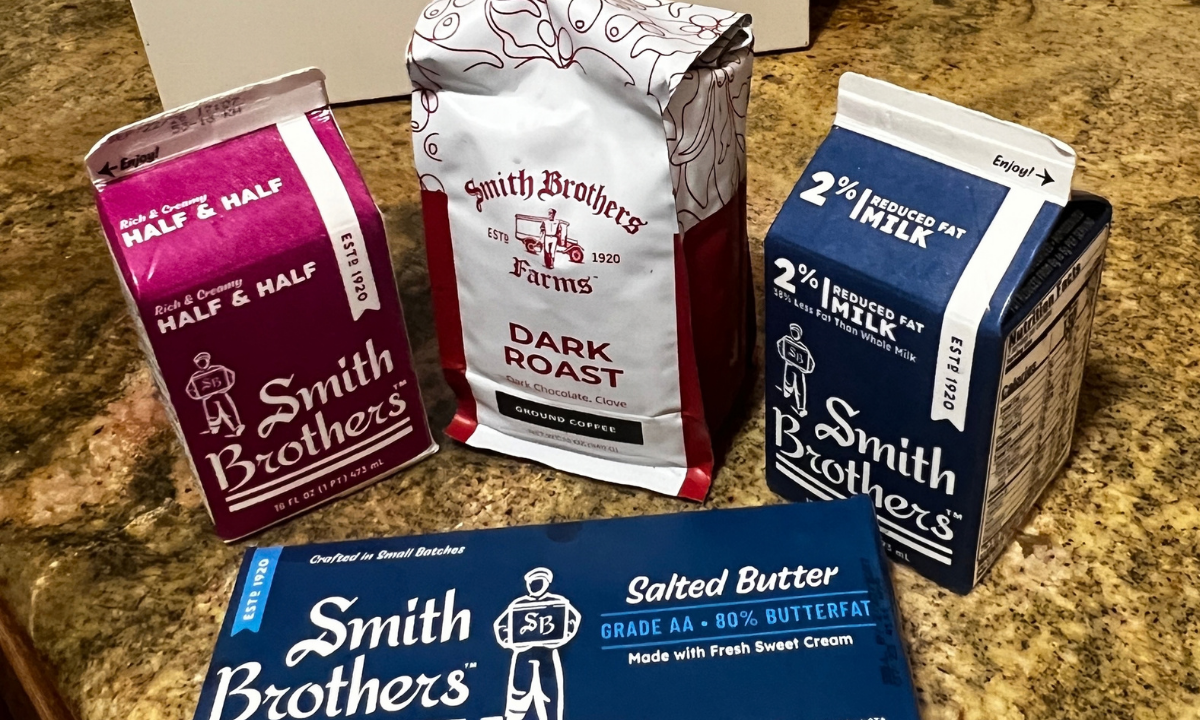
If you live in the middle of a major city like I do, you may love the taste of fresh milk but not have the first clue where to find it. While some smaller dairies do sell fresh milk in grocery stores, in most cases, farmers markets and specialty stores are an easy way to explore local options.
There are also a number of dairies around the country that deliver milk (and sometimes other groceries as well). I mentioned Smith Brothers as a Seattle-area option earlier, but Royal Crest Dairy in Colorado and Crescent Ridge Dairy near Boston offer similar services. It’s worth doing a quick search online to see what is available near you.
With its light, sweet flavor and creamy texture, farm-fresh milk just tastes that much better, and thoughtful packaging and gentler processing help maintain the high-quality nutrients that make milk a staple in most homes. Whether you’re already a fan or you want to try to taste the difference for yourself, keeping fresh milk as a normal fixture in your fridge may be simpler than you think.
Be warned, though! Once you know what farm-fresh milk tastes like, it can be hard to go back to the milk you knew before.