
Some weeks, cooking dinner from scratch is just not happening, and the freezer is what actually gets everyone fed. Most guides to “healthy frozen meals” only look at one part of that freezer, either the supermarket case or a delivery subscription, as if they’re two separate decisions, but they’re not. A parent standing in the freezer aisle and a parent scrolling a delivery site are asking the same questions: What’s actually in this? How much sodium and protein is realistic? Will it hold up once it’s reheated?
This article covers both options, side by side, using those same questions.
Table of Contents
What the Label Is Actually Telling You
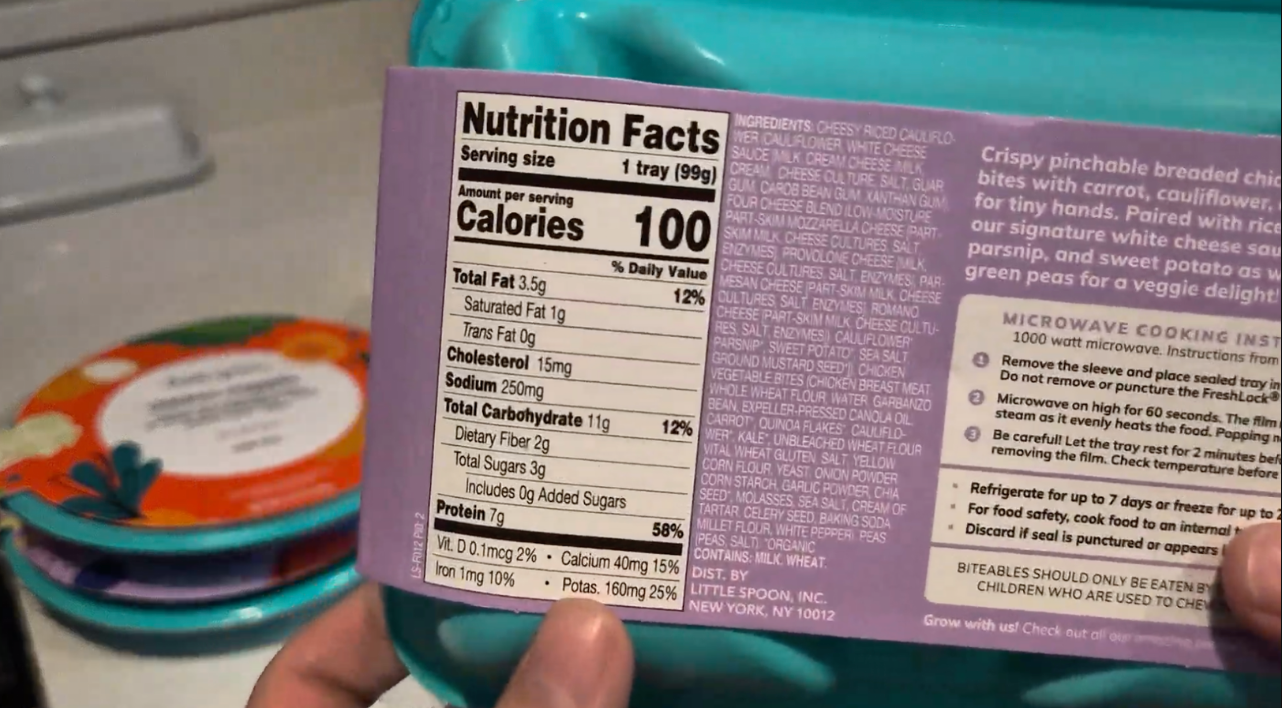
The FDA updated its definition of the “healthy” claim, and the new rule matters more than most front-of-box marketing does. To carry the word going forward, a meal needs a significant amount of food from at least one core food group (i.e., vegetables, fruit, whole grains, dairy, or protein) and has to stay under specific limits on sodium, saturated fat, and added sugar: generally capped around 20% of the daily value for sodium and 15% for the other two in a main dish. That works out to roughly 460 milligrams of sodium as the ceiling for a single entrée wearing that label honestly.
Here’s the catch: That rule isn’t mandatory yet. Companies can start using it now, but they don’t have to comply until February 2028. Until then, the word “healthy” on a box could mean one of two things: Some products already meet the new, stricter criteria but haven’t added the claim yet, while others still carry “healthy” based on the older, looser rule. Seeing the word on a box right now doesn’t tell you which situation you’re looking at.
Flipping to the nutrition panel and checking sodium, protein, and the ingredient list yourself is still more effective than glancing at the front of the box.
The Hidden Vegetable Question

A lot of frozen meals, especially the ones aimed at kids, lean on blended-in vegetables: cauliflower folded into mac and cheese or butternut squash worked into a sauce. This strategy does add fiber and micronutrients that would otherwise be skipped by picky kids, but what it doesn’t do is replace the experience of eating a vegetable as itself—chewing it, recognizing it, and building a preference for it over time. Hidden vegetables are a good bridge, not a permanent workaround. A meal that hides its vegetables and never introduces a visible one alongside it is solving tonight’s problem without doing much for the longer habit.
Sodium and Grain Base Vary More Than the Category Suggests
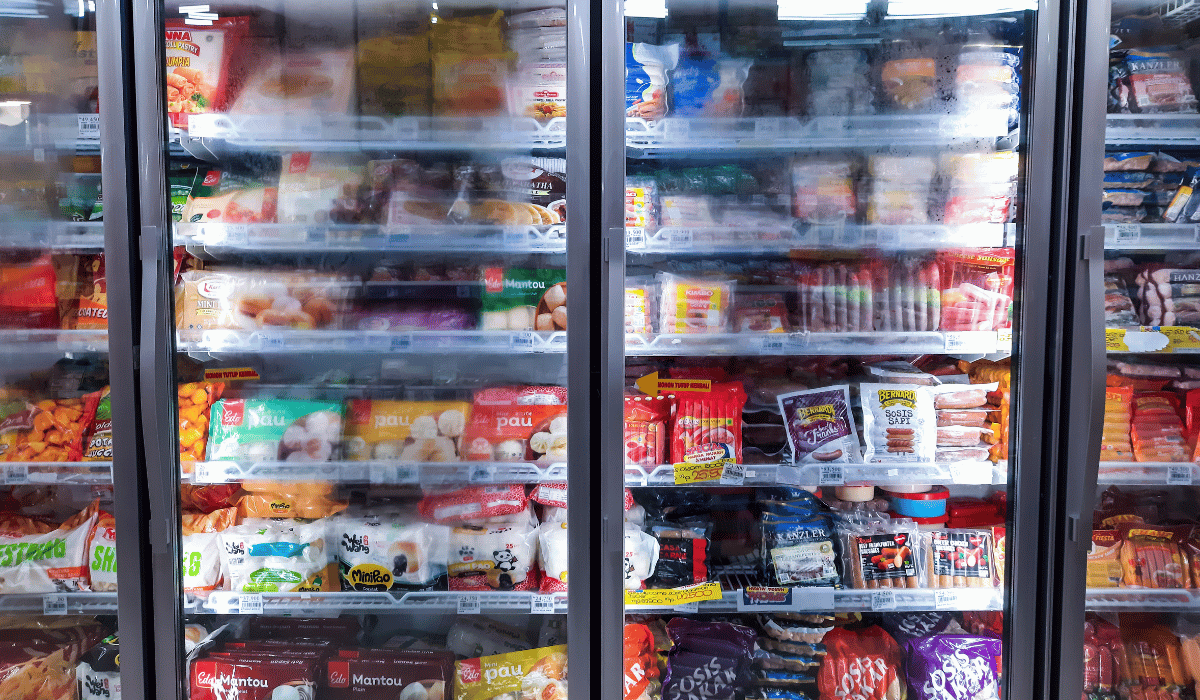
This is where “healthy frozen meal” stops being one category. Mainstream adult entrées can run anywhere from moderate to well over 700 milligrams of sodium per serving, depending on the brand and the sauce. Meals built specifically for kids tend to sit much lower, often under 500 milligrams, because a toddler’s daily sodium ceiling is a fraction of an adult’s. If you are grabbing anything from the freezer for the whole family to share, checking whose sodium target the meal was actually built around matters more than whether the word “healthy” appears anywhere on it.
Grain base tells a similar story. Some entrées are still built on white rice or refined pasta with a protein and sauce layered on top. Others have shifted to brown rice, whole-wheat pasta, or quinoa as the base starch. Neither is a dealbreaker on its own. The occasional presence of refined grains isn’t something to lose sleep over, but it is one more place where two meals that look interchangeable in the freezer case are doing different nutritional work. If a meal is going into rotation multiple times a week rather than as an occasional backup, the grain base is worth a second look the same way the sodium number is.
It also helps to separate the protein number from the protein-to-calorie ratio, considering a meal can list a decent gram count and still be mostly carbohydrates once you look at where the calories are actually coming from. The math matters more for a meal meant to carry someone through an afternoon than it does for a side dish or a snack-sized portion.
What Reheats Well and What Turns into a Puddle
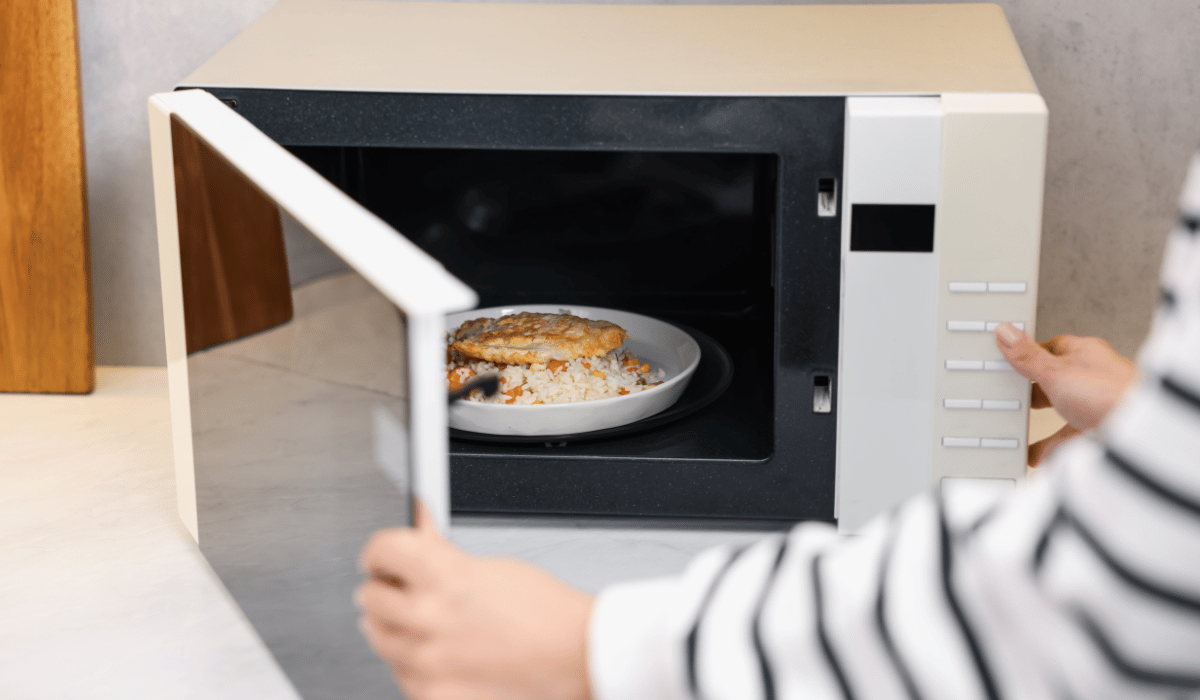
Not every format survives a microwave the same way. Grain bowls, casseroles, and anything already sauced tend to reheat evenly and hold their texture. Breaded or fried components (e.g., chicken tenders, breaded fish, anything meant to be crispy) come out of a microwave soft rather than crisp; an oven or air fryer keeps the texture intact if you have a few extra minutes. Cream-based sauces can separate or turn grainy on reheat, and delicate vegetables like zucchini or spinach tend to get mushy no matter how you heat them. None of this changes what to buy, but it does change how you cook it once it’s out of the freezer.
Nurture Life: The Delivery Comparison
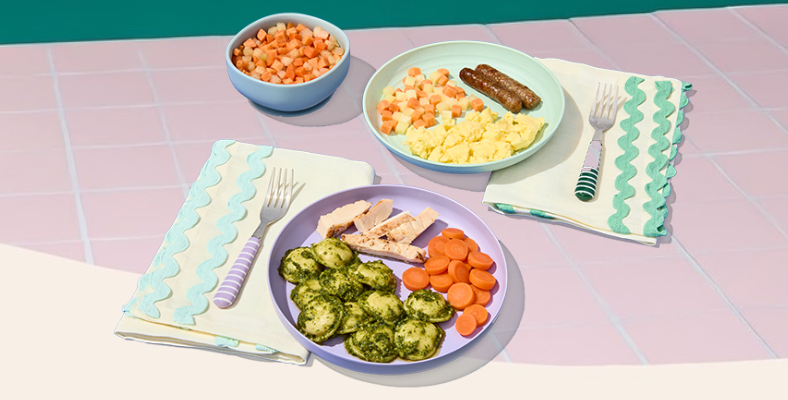
Nurture Life is the name that comes up most often once “healthy frozen meals” turns into a delivery search, so it’s worth the same dedicated treatment as anything else in this guide.
Nurture Life ships fresh at refrigerated temperatures, not frozen, and is meant to be eaten within about a week of arrival. Its real strength is flexibility once it’s in your hands: Kids Meals, Finger Foods, Oaties, and smoothies can all be frozen by the customer for up to 90 days, as long as they go into the freezer before the printed “enjoy by” date, and the brand publishes clear instructions for doing so. It also covers a wide age range, roughly 1 to 12 years old, and offers Family Meals that scale up past a single kid’s portion. Current pricing runs $6.99 for Finger Foods, $7.69 for Kids Meals, and $6.50 and up for other items like Oaties and smoothies, on top of a per-order shipping fee (worth checking at checkout, considering it’s changed over time). The tradeoff is price and the fact that none of it arrives frozen: The freezer flexibility is something you have to act on quickly after delivery, not something built into the shipping.
This isn’t a “frozen meal” in the traditional, sitting-in-your-freezer-for-a-month sense, and that’s worth being up front about instead of letting the search results blur the distinction. It’s a refrigerated-first service with freezer flexibility bolted on after the fact.
Where Little Spoon Fits
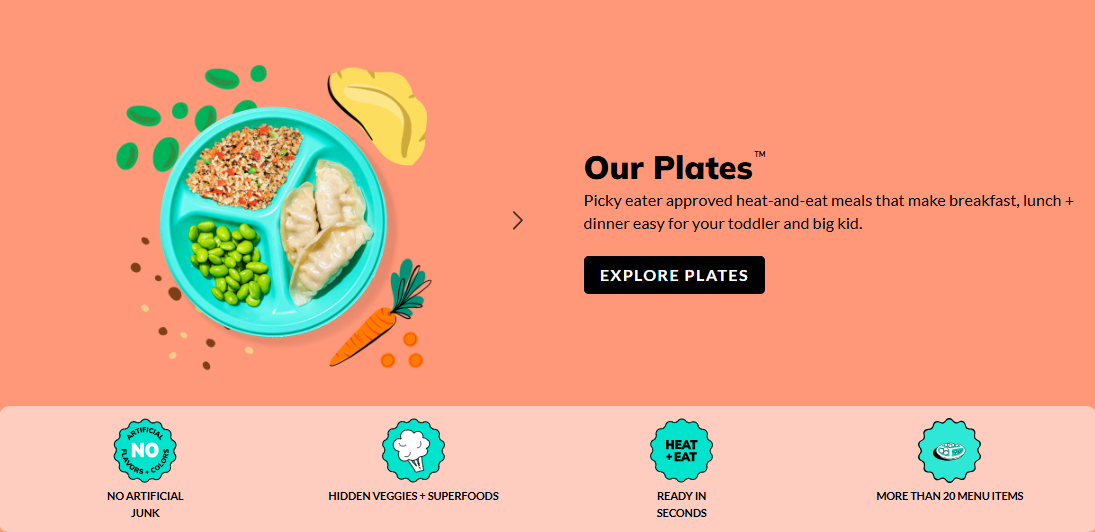
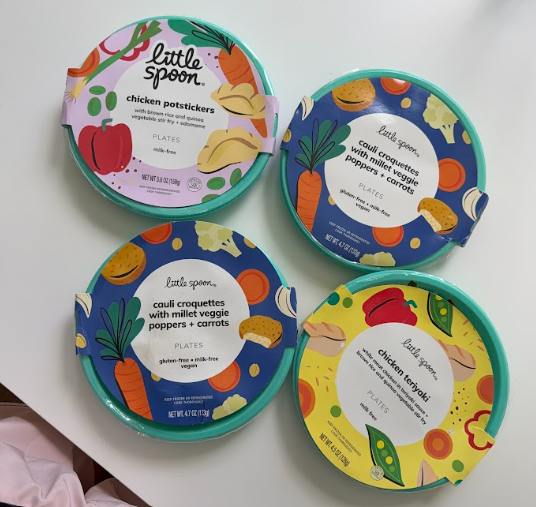
Little Spoon Plates is the second option worth putting next to Nurture Life here. It’s a heat-and-eat meal line for toddlers and bigger kids, built around the same hidden-vegetable, protein-plus-grain format as a lot of the supermarket kids’ options, but what’s different is that it ships as part of a delivery subscription. Don’t let the subscription scare you, though, because Little Spoon has made their Plates line flexible in terms of storage and maintaining freshness. Plates will stay fresh in your fridge for a week, but if you know for sure you won’t run through everything by that time, you can store extras in the freezer for up to two months.
Plates run under 500 milligrams of sodium and provide roughly eight to 14 grams of protein depending on the meal, and pricing generally falls somewhere in the $5 to $8 per-meal range depending on how many you order at a time. (It’s also worth double-checking current pricing on the site, considering delivery pricing shifts with order volumes and promotions.)
Here’s how it stacks up against the service just covered, and it’s worth leading with something that actually matters for a kid’s plate: Every single Little Spoon Plate is capped under 500 milligrams of sodium as a blanket policy, not just on average. Nurture Life’s sodium varies meal to meal (some dishes run closer to 320 milligrams, others closer to 590) without a published ceiling that applies across the whole line the way Little Spoon’s does. For a parent who wants one consistent number to check against rather than reading each label individually, that’s a real point in Little Spoon’s favor.
Nurture Life does cover a wider age range and offers Family Meals, which Little Spoon doesn’t currently match, though that’s a bigger factor for a household trying to feed everyone from one order than for a parent shopping specifically for their kid’s meals. What Little Spoon does offer, distinctly, is freedom from having to act fast after delivery: Plates go straight into the freezer and stay good for the long haul, no enjoy-by date to track, no window to catch before it closes. Paired with the sodium consistency mentioned above, that combination is what makes Little Spoon Plates worth a look here.
In-Store vs. Delivery: Where Each Option Actually Fits in a Week
Supermarket frozen entrées make the most sense for single servings: a solo lunch, a night where only one person needs to eat something quick, a backup buried in the freezer for the week everything falls apart. They typically run $3 to $6 per meal, the cheapest option here, and are the easiest to grab without planning ahead.
Delivery is a different trade. Compared to that supermarket price point, you’re paying more per meal with a delivery subscription, generally somewhere between $5 and $8 depending on the brand and portion, plus a per-order shipping fee on top with some services, in exchange for not having to think about what’s in the freezer at all. That likely makes more sense as a recurring piece of the week (say, two or three dinners on a subscription) rather than a whole plan, especially once you compare it against what the same meals would cost to make from scratch.
The Actual Takeaway
There isn’t one best option here, and each real contender wins on a different axis.
Nurture Life covers the widest age range and is the only one with a true family-size option, at the cost of arriving refrigerated rather than frozen, plus a shipping fee on top of per-meal pricing. Little Spoon’s edge is more specific: a sodium ceiling that applies to every meal rather than varying from dish to dish, plus a format that’s actually built to be frozen from the start rather than refrigerated with freezing added on. A supermarket entrée, meanwhile, still wins on flat-out cost and no-planning-required convenience for a single serving.
None of this makes one option universally the “best.” The right pick depends on whether the priority is age range, price, or not having to race a use-by date to get something into the freezer.