
I got tired of waking up every single night, covered in sweat, unable to fall back asleep. I tried cooling sheets, those special blankets, mattress covers with copper and gel, and everything else under the sun.
The problem with those things is that they only help a little; they’re not a solution to the torturous episodes of temp spikes we experience during menopause.
This sounds familiar, doesn’t it? You can turn down the thermostat, switch to lighter pajamas, and point a fan at the bed, but none of that guarantees your temperature will stay comfortable as your body shifts between feeling overheated and chilled.
The right sleep technology can make those nights more manageable. I promise. Some systems actively cool the bed, or help you track patterns, create a more consistent sleep routine, or even manage the insomnia that can continue even when temperature isn’t the only issue.
I tried the Eight Sleep pod myself, but let’s check out some of the other sleep technologies for menopause.
Table of Contents
The Bottom Line: What Do I Think Is the Best Sleep Technology for Menopause?
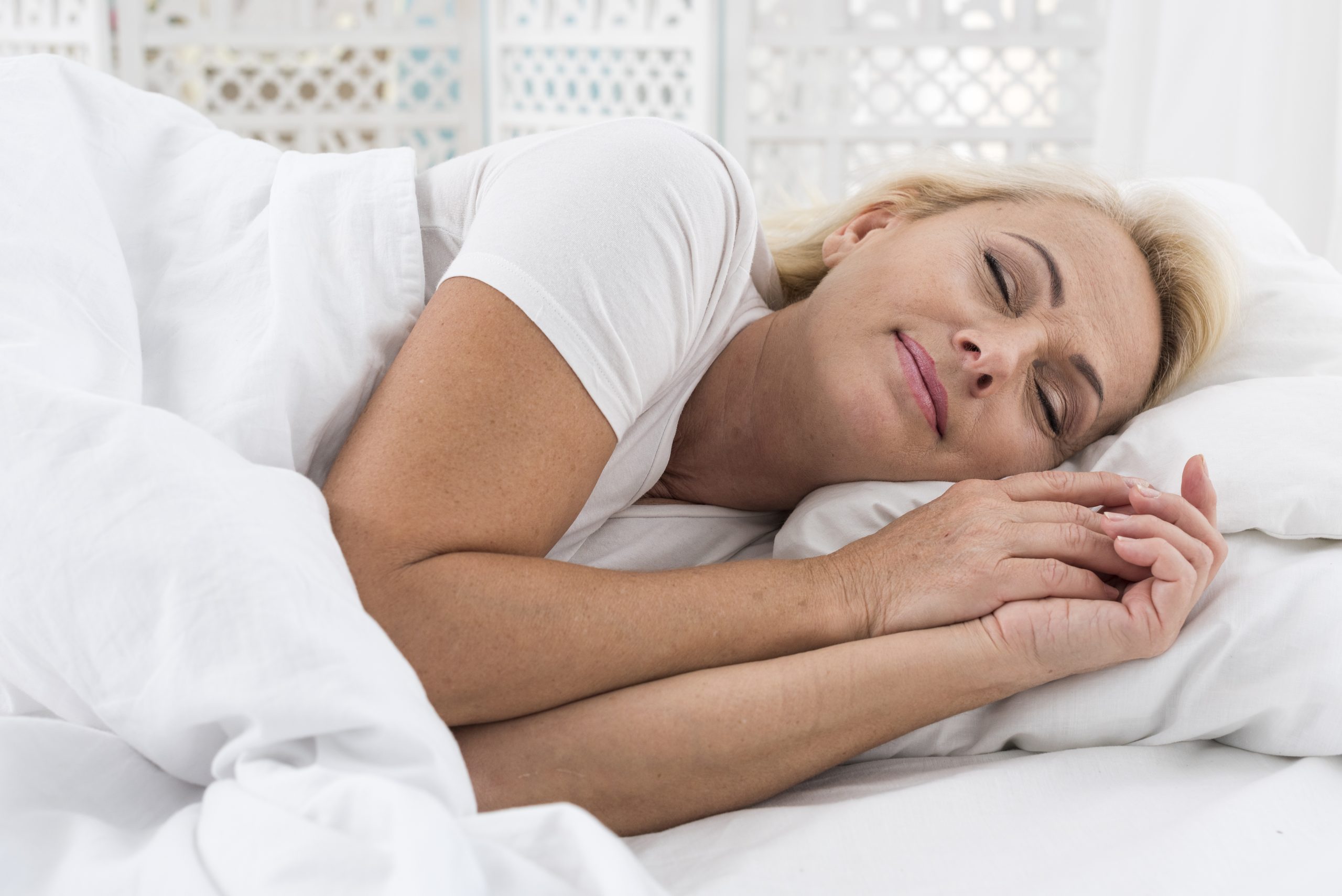
Obviously, the Eight Sleep Pod 5 Core is my top overall pick because I have it, use it, and love it. It combines active bed cooling, automatic temperature adjustments, dual-zone controls, and contactless sleep tracking in one system. It literally tackles the physical discomfort of overheating while also providing information about sleep timing, awakenings, heart rate, HRV, and other overnight patterns.
But it’s also the biggest investment on this list. The price tag made me gulp, but I was desperate to find a solution. Chilipad and BedJet offer less expensive ways to control the temperature of your bed, and the Embr Wave 2 gives you portable, on-demand cooling sensations. Oura is the better choice if you want to understand your sleep patterns, and Hatch Restore or Insomnia Coach make more sense when temperature is only one part of your problem.
| Product | Best for | Subscription |
| Eight Sleep Pod 5 Core | Overall temperature control and tracking | Required for first 12 months |
| Chilipad 2.0 | Subscription-free bed cooling | No |
| BedJet 3 | Airflow and moisture control | No |
| Embr Wave 2 | On-demand wearable cooling | No, unless rented |
| Oura Ring 4 | Tracking sleep and symptom patterns | Required for detailed insights |
| Hatch Restore 3 | Bedtime and wake-up routines | Optional |
| Insomnia Coach | Free behavioral sleep support | No |
How I Chose the Best Sleep Technology for Menopause
I looked at what each product does, how easy it is to use during the night, whether it requires a subscription, and what information or relief it provides. Trust me, I hate a subscription just as much as the next person, but I really wanted what Eight Sleep was offering, so I bit the bullet. That does NOT mean you have to.
I also separated active technology from passive tracking. A device that changes the temperature of your bed provides a different kind of value than a wearable that tells you how poorly you slept. Tracking is still great, but only when the information helps you recognize patterns or make a practical change. Otherwise…what’s the point?
1. Eight Sleep Pod 5 Core: Best Overall Sleep Technology for Menopause
Price: $3500
Best for: bad night sweats, changing temperature needs, and couples who want different sleeping temperatures.
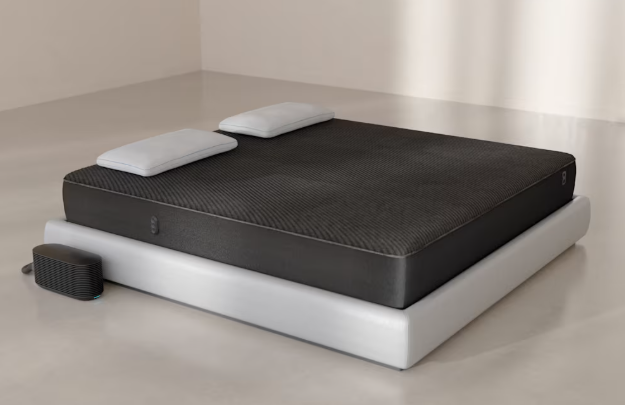
The Eight Sleep Pod 5 Core is a water-powered cover that fits over your existing mattress. It can cool or heat each side of the bed independently from approximately 55°F to 110°F, so you can cool your side without making your partner sleep in an arctic tundra they did not ask for.
What makes it more useful than a basic cooling topper is Autopilot. The system tracks your sleep, biometrics, and bedroom conditions, then adjusts the temperature as the night progresses. That can save you during menopause because we know one fixed temperature all night long just doesn’t cut it. You might want a cool bed when falling asleep, more cooling during a night sweat, and a warmer setting closer to morning.
The cover also tracks sleep phases, resting heart rate, HRV, respiratory rate, and even snoring without requiring you to wear a ring or watch. Physical controls on the side let you change the temperature if you wake up without opening the app. They’ve honestly thought of everything.
Pros:
- Actively cools or heats the mattress surface
- Independent settings for both sides of the bed
- Automatically adjusts temperature throughout the night
- Tracks sleep without a wearable
- Works with an existing mattress
- You can control it without opening the app
Cons:
- One of the most expensive options available
- Autopilot is required for the first 12 months
- Automatic adjustments and detailed reports require an ongoing plan
- Uses an external water hub that needs occasional maintenance
2. Chilipad 2.0: Best Subscription-Free Bed Cooling System
Price: $1600
Best for: Precise bed cooling without an ongoing membership.
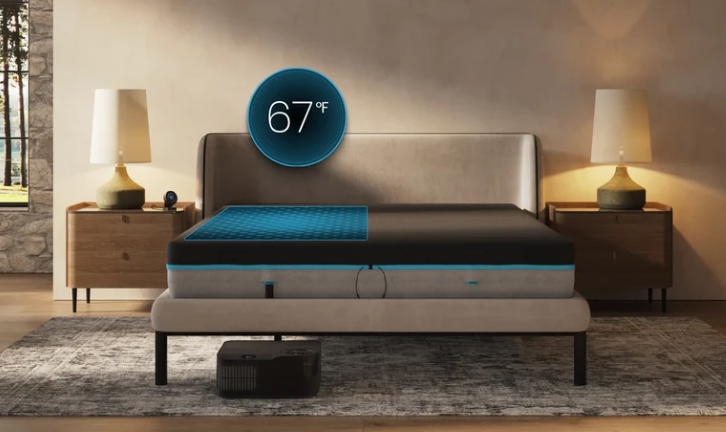
I almost opted for the Chilipad 2.0. It’s another water-based mattress cooling system, with temperatures ranging from 55°F to 115°F. You can create overnight temperature schedules in the app or adjust the system with its physical nightstand remote.
That remote is super useful during a random hot flash. You don’t have to wake up to unlock your phone, stare at a bright screen, and wake yourself up even more just to lower the temperature. That just sounds counterintuitive.
Chilipad’s biggest advantage, in my opinion, is that it doesn’t make you pay for a subscription. It also works with or without Wi-Fi and offers single- and dual-zone configurations. But it doesn’t combine temperature control with the same level of integrated sleep tracking or responsive automation as Eight Sleep. You set the schedule, and the system follows it.
Pros:
- Active water-based heating and cooling
- Wide temperature range
- Physical bedside remote
- Programmable overnight schedules
- No subscription required
Cons:
- Does not provide the same integrated sleep tracking as Eight Sleep
- Scheduled changes are less adaptive than Autopilot
- Requires an external dock and water-system maintenance
- Still a substantial upfront purchase
3. BedJet 3: Best Lower-Cost Technology for Night Sweats
Price: $700
Best for: Waking up hot, sweaty, or trapped under warm bedding.
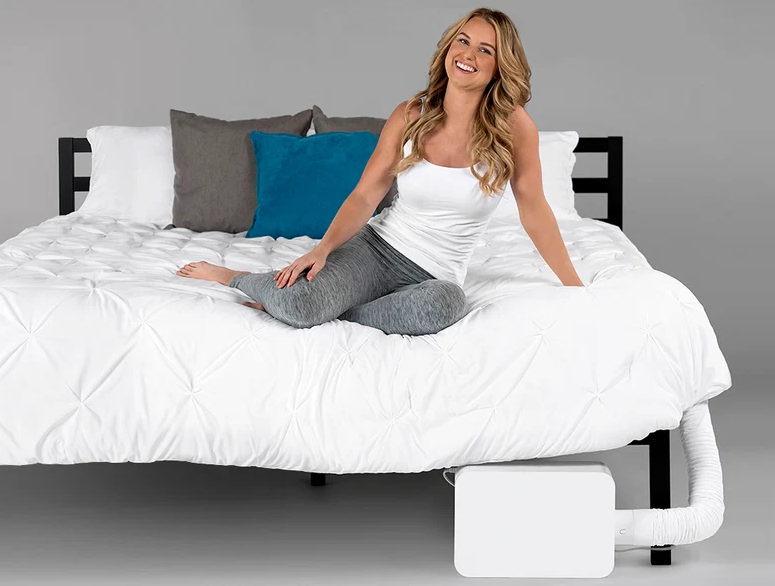
BedJet 3 takes a different approach to cooling your bed. Instead of running water through a mattress cover, it blows air under your sheets. If you like sleeping with a fan on, you might like this one.
The airflow helps move heat and moisture away from your body, which is handy if night sweats leave you and your sheets feeling damp.
You can control the airflow and temperature with a physical remote or smartphone app. Its Biorhythm feature also lets you schedule different settings throughout the night. An optional Cloud Sheet distributes the air more evenly and can divide a larger bed into separate temperature zones.
BedJet is way less expensive than most of the other water-based systems, but it can’t cool below the temperature of the surrounding room. It creates airflow rather than a truly chilled mattress surface. It’s like a leveled-up fan.
Pros:
- Fast airflow and moisture removal
- Programmable nighttime schedule
- Physical remote included
- No subscription
- Works with most mattresses and adjustable bases
Cons:
- Uses room air instead of refrigerated or water-based cooling
- Some people may dislike feeling air move under the bedding
- Best performance may require the optional Cloud Sheet
- Hose and external unit remain visible beside the bed
4. Embr Wave 2: Best Wearable for On-Demand Temperature Comfort
Price: $300
Best for: Unpredictable hot flashes that happen day and night.
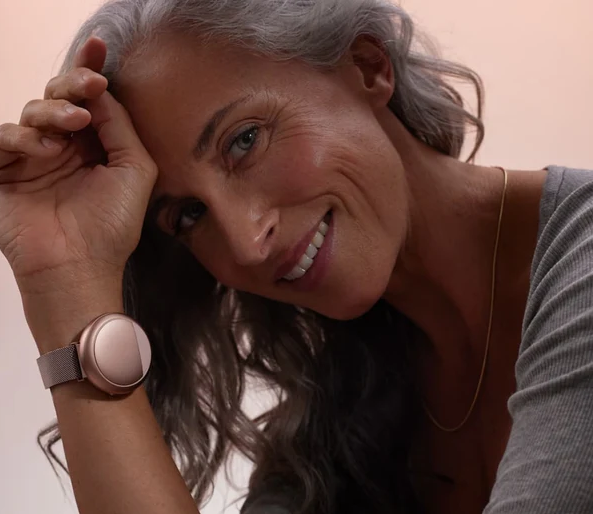
Embr Wave 2 looks a little like a smartwatch, but instead of counting steps, it applies cooling or warming sensations to the inside of your wrist. You can activate it when a hot flash begins or run longer sessions designed for sleep. I might have to get this one myself, actually, for daytime use.
Now, the device doesn’t lower your core body temperature or cool the room, it changes how you perceive temperature through a concentrated thermal sensation on the wrist. It’s like magic.
Or science.
This is a good contender, but I see it more as a companion product to go with another system to really combat the joys of menopause.
Pros:
- Portable and discreet
- Provides cooling or warming on demand
- Useful during the day as well as at night
- Customizable sessions through the app
- Rental option available for people who want to try it first
Cons:
- Does not cool your bed, room, or core body temperature
- Menopause-specific research remains limited
- Must be charged and worn against the wrist
- May not be comfortable for every sleeping position
5. Oura Ring 4: Best for Tracking Menopause-Related Sleep Patterns
Price: $530
Best for: Identifying patterns and documenting how sleep changes over time.
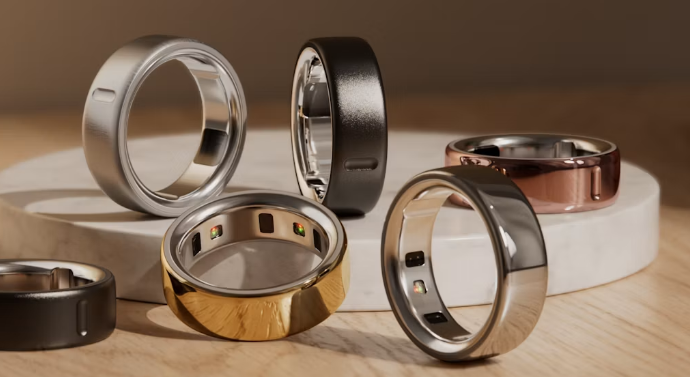
If you’re like me and you nerd out over data, this might be a cool option for you to think about. The Oura Ring 4 tracks your sleep duration, timing, nighttime temperature trends, resting heart rate, HRV, respiration, and blood oxygen sensing. The battery lasts about a week, so no worries about having to charge it every day.
They do have a nifty feature called Menopause Insights which you can get if you’re a member between the ages of 35 and 60. You get symptom assessments, trend information, educational resources, and downloadable reports.
I added this one to the list because it’s a great piece of technology for gathering data about yourself that you may not even realize. Maybe you find that alcohol consistently lines up with more awakenings, that temperature changes appear before particularly restless nights, or that your sleep improves after a treatment adjustment or trying a new supplement or something.
Oura is still a consumer tracker, not a diagnostic device. Sleep stages are estimates, and detailed insights do force you into an active membership.
Pros:
- Comfortable alternative to a watch
- Tracks sleep and nighttime temperature trends
- Includes menopause-specific symptom tools
- Multi-day battery life
- Reports can help organize information for medical appointments
Cons:
- Does not actively improve temperature or sleep
- Membership is needed for detailed insights
- Sleep-stage data is estimated, not diagnostic
- Frequent scores can increase sleep anxiety for some users
6. Hatch Restore 3: Best for Rebuilding a Sleep Routine
Price: $170
Best for: Difficulty winding down, inconsistent sleep schedules, and unpleasant wake-ups.
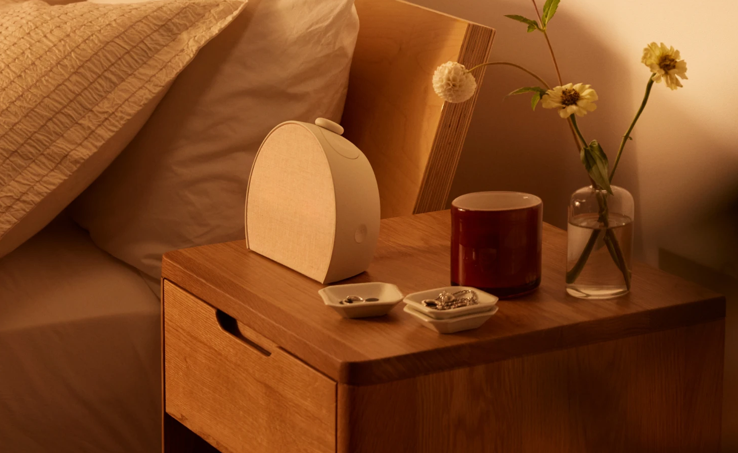
Hatch Restore 3 is an awesome product if you’re dealing with menopause sweats as well as an ADHD brain that just won’t shut off at night. It combines a dimmable bedside light, sleep sounds, guided wind-down routines, and a sunrise alarm. Its physical controls let you start a routine or change the sound without bringing your phone into bed.
I just want you to know that this won’t cool your bed or stop a night sweat. But it can help when menopause-related sleep disruption has created a second problem like doom scrolling into the wee hours just to fall asleep.
I love the idea of the gradual sunset and sunrise features because it provides clearer environmental cues for winding down and waking up as naturally as possible. Basic functionality is included, but a Hatch+ membership provides a larger content library.
They always get you with the subscription in the end!
Pros:
- Combines light, sound, routines, and an alarm
- Physical controls reduce bedtime phone use
- Customizable sunset and sunrise settings
- Smaller investment than active bed cooling
- Optional rather than mandatory membership
Cons:
- Does not cool the room or bed
- Does not track sleep
- Additional content requires Hatch+
- Limited value when overheating is the main problem
7. Insomnia Coach: Best Free Sleep Technology
Price: free!
Best for: Persistent insomnia habits and anyone who wants to start without buying hardware.
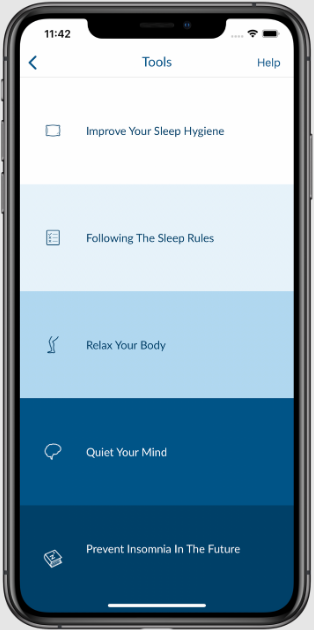
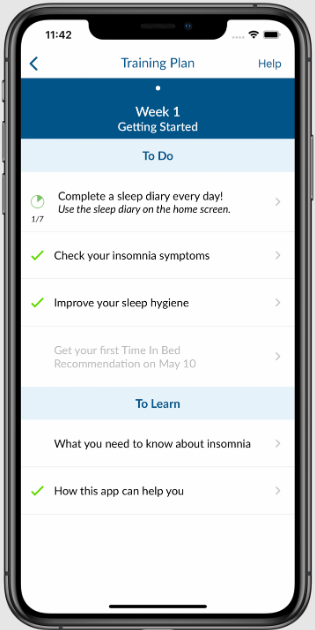
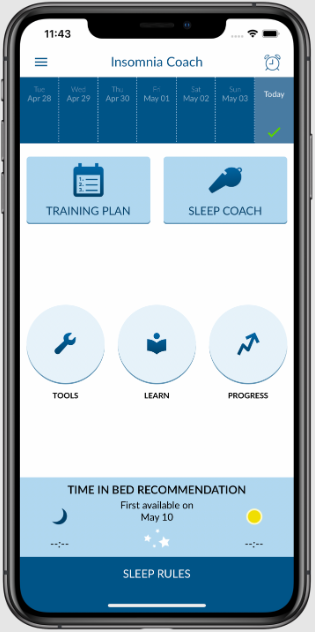
Insomnia Coach is a totally free app developed by the U.S. Department of Veterans Affairs. It uses principles from cognitive behavioral therapy for insomnia, or CBT-I, and includes a guided weekly plan, sleep diary, personalized feedback, and practical tools for changing those nasty behaviors that can keep insomnia thriving.
So, it’s a bit different from a meditation or sleep-sound app. The goal isn’t to distract you until you fall asleep. It’s supposed to actually help you look at sleep timing, routines, thoughts, and habits.
So, kind of how the Oura works, this is more of an additional tool to have and use with other tech for menopause.
Pros:
- Completely free
- Based on CBT-I principles
- Includes a guided plan and sleep diary
- No wearable or subscription needed
- Focuses on habits that can maintain insomnia
Cons:
- Requires regular participation and manual tracking
- Does not address physical overheating
- Cannot diagnose a sleep disorder
- May not be appropriate for some medical conditions without professional guidance
How Much Should You Spend on Menopause Sleep Technology?
I would base your budget on the problem, not the number of features you get. For me, I was willing to do or spend anything to combat my menopause night sweats, so I took a leap and invested in the Eight Sleep pod. I’ve never regretted it for a second, but it might not be worth the money to you or the next person. If your budget is modest, I definitely wouldn’t start there.
If you’re not sure what’s waking you, start with a free sleep diary or Insomnia Coach. An Oura Ring can give you more data, but it only makes sense if you plan to use that information.
If temperature is clearly the main issue, put the money toward technology that actively changes the bed rather than a tracker that merely confirms you woke up. BedJet is the more affordable entry point, but Chilipad adds precise water-based control without a subscription. Eight Sleep costs the most, but it combines active cooling, automatic adjustments, dual zones, and tracking in one system.
Also, food for thought: I wouldn’t buy a tracker, sunrise clock, wearable cooler, and smart mattress cover at the same time. Start with the mechanism most likely to be disrupting your sleep. Add another category only when there’s a separate problem left to solve.
Can Sleep Technology Actually Help With Menopause?
You better believe it does! Sleep technology can change your environment, improve thermal comfort, support more consistent routines, and help you document patterns. Yes, it helps with menopause, but it can’t solve, combat, or stop it.
If hot flashes, night sweats, or insomnia are affecting your daily life like crazy, technology can be part of the plan, but it shouldn’t be the entire plan. Capiche?
The Final Verdict
To me, the Eight Sleep Pod 5 Core is the best overall sleep technology for menopause when overheating and temperature changes are the main reasons sleep keeps falling apart. It’s expensive, but it gives you the most complete combination of active cooling, automatic overnight adjustments, dual-zone comfort, and sleep tracking.
Oura can help explain the pattern, Embr provides portable comfort, and Hatch or Insomnia Coach can address routine and insomnia. Eight Sleep stands out because it actively changes the temperature of the place where you’re trying to sleep—all night, not just when you first get into bed.
I hope this little guide and breakdown helped you decide on the best sleep tech for your menopause issues! Be sure to check out our other helpful tips and info for sleep solutions on our site. Happy sleeping!