
Here’s the thing about pregnancy no one warns you about: your uterus isn’t the only thing on fire. Somewhere between the second trimester and my third bowl of mac and cheese, I realized I was basically a human dragon, and not in the cool way. I’m talking heartburn so fierce it made me swear off ketchup and sleep sitting upright like a weirdo.
At first, I lived on Tums. They felt safe, easy, and doctor-approved. But the chalky aftertaste, the bathroom side effects, and the growing pile of half-empty rolls in my purse had me wondering if there wasn’t something better.
Spoiler: there is. From alginate gels that taste like dessert to simple food swaps and herbal tricks, there are various natural ways to keep reflux at bay without chalk dusting your tongue.
Here’s the breakdown.
Table of Contents
At a Glance: Natural Tums Alternatives for Pregnancy

When you’re short on sleep and shorter on patience, you don’t need another research project; you need quick answers.
So before we dive into the nitty-gritty, here’s a cheat sheet of the best natural Tums alternatives you can reach for when pregnancy heartburn hits.
| Product | Type | Best For | Pregnancy Notes |
| Reflux Gourmet Rescue | Alginate gel | After meals, bedtime reflux | Safe for daily use |
| Reflux Gourmet Gum | Alginate gum | On-the-go relief, nausea | Safe |
| Khelp Capsules | Alginate capsules | Discreet, no texture issues | Safe |
| RefluxRaft | Alginate liquid + botanicals | Nighttime reflux, herbal fans | Safe, but texture polarizing |
| Sea-Band Ginger Gum | Herbal gum | Reflux + nausea | Safe |
| Gaia Herbs Reflux Relief | Herbal chewable | Mild reflux, natural soothing | Check with OB (licorice/chamomile) |
| Natural Factors DGL Licorice | Demulcent chewable | Throat burn, esophagus coating | Only safe in DGL form |
| Aloe Vera Juice | Herbal liquid | Irritated throat, gastritis-type symptoms | Only purified/decolorized |
| Coconut Water | Hydrating drink | Cooling relief, mild heartburn | Safe in moderation |
| Chamomile Tea | Herbal tea | Evening relaxation + reflux relief | Light/mild doses |
| Almonds / Almond Milk | Food remedy | Quick, soothing snack | Widely safe, unless you have a nut allergy |
Heartburn During Pregnancy: What You Need to Know
I used to think pregnancy heartburn was just “spicy food regret.” Nope. It’s a whole set of hormones, anatomy shifts, and slowed-down digestion conspiring against you.
Here’s what’s really happening (and when it’s time to call your doctor).
What Is Heartburn (and What Does It Feel Like)?
Heartburn during pregnancy isn’t just “oh, my chest feels warm.” For me, it felt like I’d swallowed fire, sometimes sharp, sometimes slow-burning, and sometimes crawling up my throat just as I tried to sleep.
Some describe it as pressure, others as a sour taste that won’t quit. However you slice it, it’s uncomfortable, common, and usually harmless (even if it feels anything but).
Why Pregnancy Turns Up the Acid
Heartburn in pregnancy is a perfect storm of biology:
- Hormones like progesterone relax your lower esophageal sphincter (the valve keeping stomach acid where it belongs).
- Your growing baby presses on your stomach, pushing acid upward.
- Slower digestion (also thanks, hormones) means food sits longer, creating more pressure and more reflux opportunities.
Translation? Even a slice of plain bread can feel like a trigger.
How to Prevent Heartburn Before It Starts
You can’t always outsmart hormones, but you can set yourself up for fewer flare-ups. A few tricks that worked for me (and most reflux moms I’ve met):
- Eat smaller, more frequent meals instead of big ones.
- Avoid lying down right after eating (I know, naps are tempting).
- Skip late-night snacks if you can, so give yourself 2–3 hours with no food before bed.
- Watch your personal trigger foods (common culprits: tomatoes, citrus, fried food, chocolate, and coffee).
- Prop yourself up at night with a wedge pillow or extra cushions.
- Stick to looser clothes; a waistband digging into your belly is an instant reflux starter.
When to Call Your Healthcare Provider
Most pregnancy heartburn is miserable but not dangerous. Still, you should check in with your OB or midwife if:
- Heartburn is constant and severe, even with remedies.
- You can’t keep food or fluids down.
- You notice unexplained weight loss.
- You have chest pain that doesn’t feel like reflux (always worth ruling out other issues).
Safety First: What to Know About Natural Tums Alternatives
Let’s be real: Tums, Pepcid, and even Prilosec can be safe in pregnancy. Many OBs recommend them when symptoms get bad.
But some moms-to-be want to minimize meds, avoid side effects (hello, rebound reflux), or just find gentler options they can use daily without worry.
Here are a few OTC options doctors often say are okay in pregnancy:
- Tums (calcium carbonate)
- Pepcid AC (famotidine)
- Mylanta or Maalox
- Prilosec OTC (omeprazole, with doctor approval)
Still, these aren’t always the best daily fix. Side effects add up, tolerance builds, and sometimes you just want a remedy that works with your body instead of against it.
That’s where natural alternatives come in.
However, always check with your provider, especially if you’re considering herbs or if your symptoms are frequent or severe.
Natural Alternatives to Tums During Pregnancy
Here’s what worked for me:
1. Reflux Gourmet Rescue Gel

I didn’t believe a dessert-flavored gel could double as medicine until I tried this. The Vanilla Caramel Rescue is basically melted ice cream for your esophagus. And the Mint Chocolate? Think liquid Andes mint, minus the regret.
One teaspoon after meals and I could finally lie down without feeling like lava was creeping up my throat.
The secret is kelp-derived alginate. Instead of messing with acid levels in your stomach, it creates a literal “raft” that floats on top and blocks reflux from escaping. It’s safe for pregnancy, has no side effects, and doubles as a bedtime ritual when you’re dreading that post-dinner burn.
- Dessert-like flavors that make it feel indulgent
- Forms a non-systemic alginate barrier
- OB-friendly and safe for daily use
2. Reflux Gourmet Gum

Sometimes, I really didn’t want to slurp gel out of a tube in public. That’s where the Reflux Gourmet gum saved me. It tastes like a mild fruit snack (and I liked the berry flavor), it’s sugar-free, and it works two ways: the alginate adds a light barrier, while chewing ramps up saliva production (your body’s built-in antacid).
I chewed during errands, long meetings, and road trips. Technically, it was a life-saver anytime reflux came with a side of nausea. It’s discreet, pleasant to use, and shockingly effective for such a simple fix.
- Sugar-free, gluten-free, and allergen-free
- Helps with nausea and reflux
- Pocket-friendly for on-the-go relief
3. Khelp Capsules

Confession: sometimes texture is everything, and gels can sometimes gross me out. That’s why I liked Khelp. Pop two capsules after dinner, and once they hit your stomach, they form the same protective alginate barrier as the gel. No weird flavor, no sticky spoon.
This was my bedtime staple when I couldn’t deal with syrupy stuff. It’s especially popular with people who have throat reflux (LPR) because of the long-lasting coating effect. Downsides? It’s pricier than gum or gel, but convenience won me over.
- Capsule format for discreet use
- Pregnancy-safe, non-systemic
- Ideal for nighttime reflux or LPR
4. RefluxRaft

RefluxRaft was my “experiment” brand. The Lemon Ginger flavor? Functional, if you like ginger. The Berry Burst? Much easier to swallow. The Midnight Berry PM with melatonin… let’s just say it worked for reflux but also gave me the weirdest dreams of my life.
The texture is thicker (think medicinal honey with a side of slime), which was a hurdle. But I liked that it combined alginate with herbs like ginger and licorice for a multitasking approach. It worked, though not as consistently as Reflux Gourmet.
- Alginate + herbal blend
- Day and night formulas available
- Texture can be off-putting
5. Sea-Band Ginger Gum

The Sea-Band Ginger Gum wasn’t made for reflux. It’s actually an anti-nausea gum, but I swear it deserves a spot in the toolkit. Ginger calms queasiness and mild reflux, and the gum format keeps saliva flowing. I chewed this when my morning sickness overlapped with heartburn (fun combo and 10/10 do not recommend).
It’s cheap, cheerful, and drug-free, which made me feel better about using it daily in those rough first-trimester weeks.
- Drug-free ginger remedy
- Helps with nausea + reflux
- Budget-friendly and easy to find
6. Gaia Herbs Reflux Relief

I stumbled on the Gaia Herbs Reflux Relief during a few natural-remedies sprees at Walmart and Amazon. It’s a chewable tablet with marshmallow root, chamomile, licorice, and aloe. Flavor? Herbal with a touch of sweet. Effect? Gentle and soothing, especially for throat irritation.
I used this alongside alginate products, not instead of them. And while it worked, I always double-checked with my OB before leaning on it because of the licorice and chamomile. If you’re looking for something botanical, it’s a solid add-on.
- Herbal blend with demulcents
- Gentle and non-habit forming
- Check with OB before daily use
7. Natural Factors DGL Licorice

Regular licorice root is a pregnancy no-go. DGL (deglycyrrhizinated licorice) takes out the risky compound, leaving behind the soothing demulcent benefits. These chewables taste mildly sweet, coat your throat, and are surprisingly effective against that raw, “burnt” feeling reflux leaves behind.
I kept these in my nightstand for the nights when my throat felt like it had been sandpapered. They don’t change acid levels, but they made my esophagus a lot happier.
- Safe DGL form only (no glycyrrhizin)
- Coats and soothes the throat
- Affordable and easy to find
8. Aloe Vera Juice (Purified & Decolorized Only)
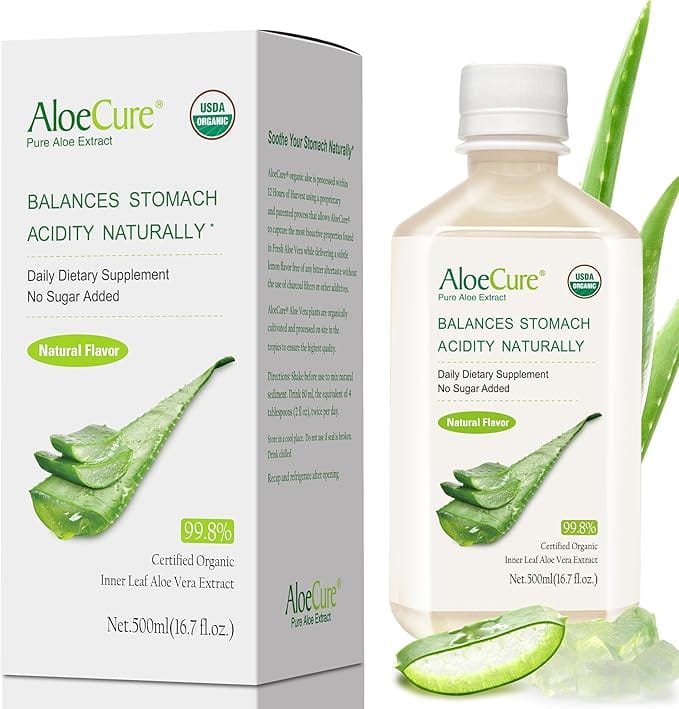
This is an important caveat: most aloe is not safe in pregnancy. The only kind you want is purified, decolorized aloe vera juice, so look for labels that say “aloin-free” or “purified.” That version is safe, and in small amounts, it’s incredibly soothing for irritated tissue.
I diluted an ounce or two in water when reflux made my throat angry. It was cooling, mild, and way gentler than expected. Just make sure you grab the right kind, because the wrong aloe is a hard no.
- Only safe if purified/decolorized/aloin-free
- Naturally soothing and cooling
- Use sparingly
9. Coconut Water

I wasn’t expecting this one to help, but coconut water became my secret weapon during summer pregnancy heartburn. It’s naturally alkaline, so it helps balance stomach acid, and it’s super hydrating (which your body is begging for anyway). Bonus: it feels refreshing when you’re overheated and swollen.
I kept a few cartons in the fridge, and sipping half a glass after dinner calmed the burn enough to let me relax. It’s not a miracle cure (more of a gentle buffer), but for mild reflux, it can be surprisingly effective.
Just keep an eye on the sugar if you have gestational diabetes, since even natural coconut water has a fair bit.
- Naturally alkaline, helps balance acid
- Hydrating and pregnancy-safe
- Best for mild, occasional heartburn
Other Natural Heartburn/Acid Reflux Remedies Worth Trying
Not everything needs a supplement label. Some of the simplest fixes come from your pantry or how you position yourself at night. These deserve a spot in your toolkit too:
- Chamomile tea – A mild cup in the evening helped me unwind and soothed reflux without triggering it. Skip super-strong brews; light is enough.
- Almonds or almond milk – A handful of nuts or a small glass of unsweetened almond milk often eased mild flare-ups, especially mid-afternoon.
- Bananas + oatmeal – Boring? Sure. Effective? Absolutely. They buffer acid without triggering symptoms, and they fill you up without heaviness.
- Yogurt/kefir – Cooling, coating, and probiotic-rich. Great for throat burn days when you just want something cold and calming.
- Slippery elm lozenges – Some people swear by slippery elm for coating and soothing the esophagus. It’s a traditional herbal remedy, but pregnancy safety data is limited. If you’re curious, check with your OB or midwife before trying it.
- Wedge pillow + left-side sleeping – Gravity is the unsung hero of reflux relief. The first night I slept on a wedge, I woke up shocked that I hadn’t had a single flare.
- Smaller, earlier meals – Not glamorous, but giving your stomach time and space pays off at bedtime. Think 6 p.m. dinner instead of 9 p.m. snacks.
Building Your Pregnancy Heartburn Toolkit
No single remedy works every time. Some days you’ll swear by ginger gum, other days it’ll be an alginate gel, and some nights nothing but a wedge pillow saves you. That’s why it helps to think in terms of a toolkit:
- One natural product for daily relief (alginate gel, gum, or capsules)
- One food or herbal option for mild symptoms (oatmeal, chamomile tea, almonds)
- One lifestyle shift to prevent flare-ups (left-side sleeping, smaller dinners, wedge pillow)
Mix, match, and track what works for your body. Every pregnancy is different, but the goal is the same: less fire-breathing, more baby-growing.
FAQs About Natural, Pregnancy-Safe Heartburn Remedies
Is alginate therapy safe during pregnancy?
Yes. Alginates don’t enter the bloodstream; they just form a barrier in your stomach.
Can I mix natural remedies with meds like Pepcid?
Usually yes, but confirm with your OB. Many women layer alginate with H2 blockers for tougher days.
Can natural remedies completely replace medication during pregnancy?
Not always. Natural options like alginate gels, ginger, or chamomile tea can provide daily relief, but if your reflux is severe or constant, your OB may still recommend safe medications like Pepcid or Prilosec. Think of natural remedies as your first line of defense and meds as a backup when the fire gets too strong.
Which foods make reflux worse in pregnancy?
Tomatoes, citrus, chocolate, fried foods, spicy meals, coffee. Basically, all the fun and yummy things.
Can I take Tums every day while pregnant?
Tums are generally considered safe in pregnancy, but moderation matters. Overdoing it can lead to constipation or too much calcium. If you find yourself reaching for them daily (or multiple times a day), it’s worth checking in with your OB to talk about safer long-term options, like alginate therapy or diet tweaks.
Pregnancy Is Hard Enough; Your Reflux Doesn’t Have to Be
Pregnancy heartburn is brutal. But you don’t have to chain-chug chalky tablets and pray. From alginate gels that taste like dessert to humble ginger gum, there are natural, pregnancy-safe options that can soothe the fire without side effects.
My advice? Try a few, keep track of what actually helps your body, and don’t be afraid to mix approaches.
Your reflux might not vanish overnight, but at least you’ll survive the next nine months without turning your purse into a mobile Tums dispenser.