
The transition to finger foods is a parenting stage that sounds easy until you’re actually doing it.
Suddenly you’re responsible for cooking, cutting everything to these ridiculously safe sizes, and then serving actual meals to a tiny human who may just throw everything on the floor anyways.
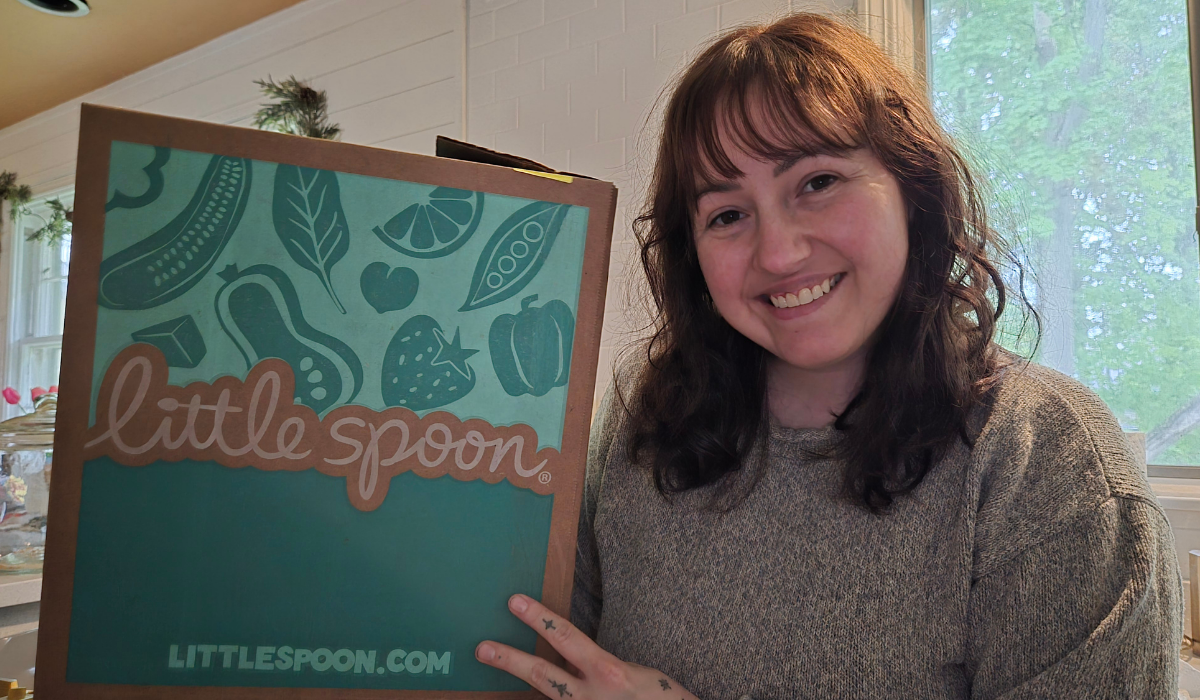
When I started introducing finger foods, I realized very quickly that I had a lot of questions. How small should everything be cut? What counts as a balanced meal at this stage? And most importantly, how in the world do you do all of this multiple times a day, every day?
This is when I started looking into options, like Little Spoon Biteables.
After using Biteables during that early transition phase, here’s what stood out to me, what helped, what didn’t, and what I think is worth knowing if you’re in this stage or it’s creeping up fast.
Table of Contents
What are Little Spoon Biteables?
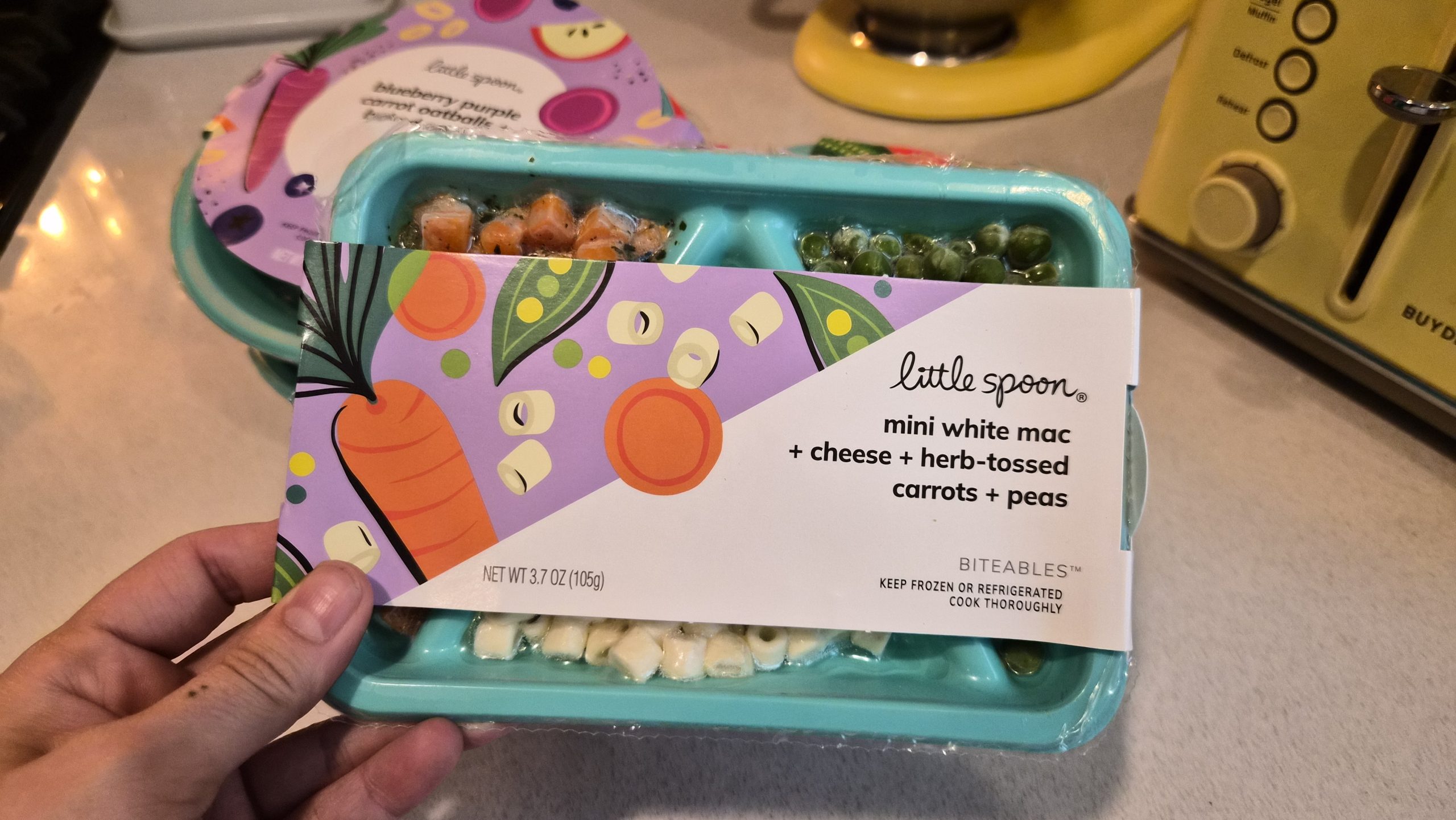
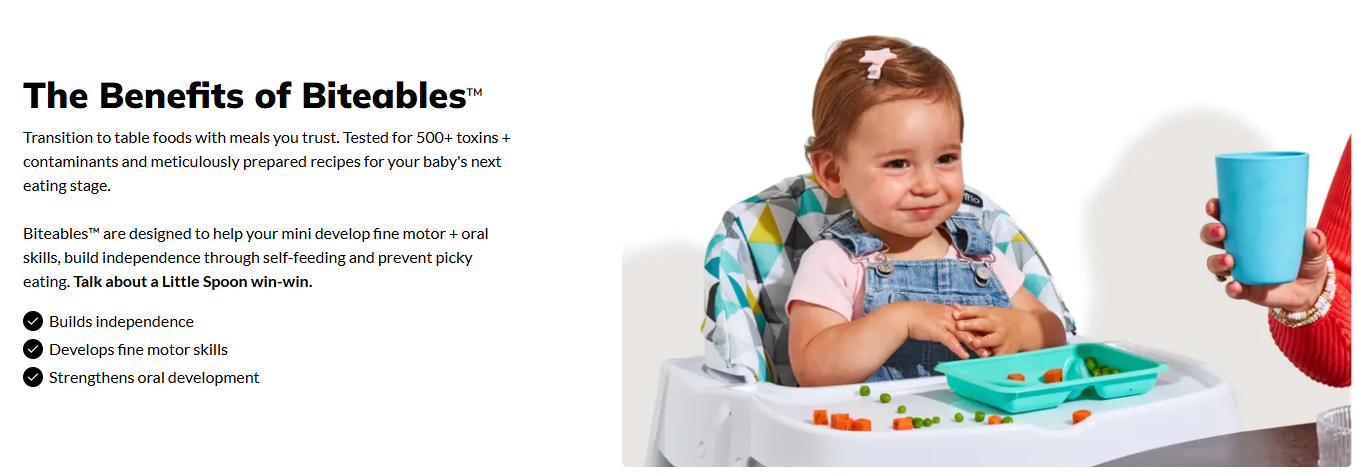
Little Spoon Biteables are designed specifically for babies transitioning from purées to finger foods.
They’re essentially small, pre-portioned meals made up of soft, easy-to-hold pieces that are designed to help support self-feeding.
What struck me immediately is that they’re not just random finger foods thrown together, which is what meals were starting to look like for us. Each Biteables tray feels like an actual meal, with a mix of foods rather than just one item. This made a big difference for me as a parent who was in the beginning stages of figuring out how to build meals for my kid and not lose my mind.
Why I Tried Biteables in the First Place
For me, the biggest challenge wasn’t really what to feed my daughter, although I did struggle a little with this. It was more about doing it every single day, three times a day (plus snacks!). It’s a lot when you’re not used to feeding another person this frequently, and I found myself second guessing everything.
The mental load of planning, prepping, and cooking three meals a day, and snacks, for a baby felt like a lot more than I anticipated. However, I didn’t need to replace every single meal, but I did want to find something that could save me time, remove some of the guesswork that was plaguing me, and give me a baseline on what a complete meal looks like.
What the Meals Are Actually Like
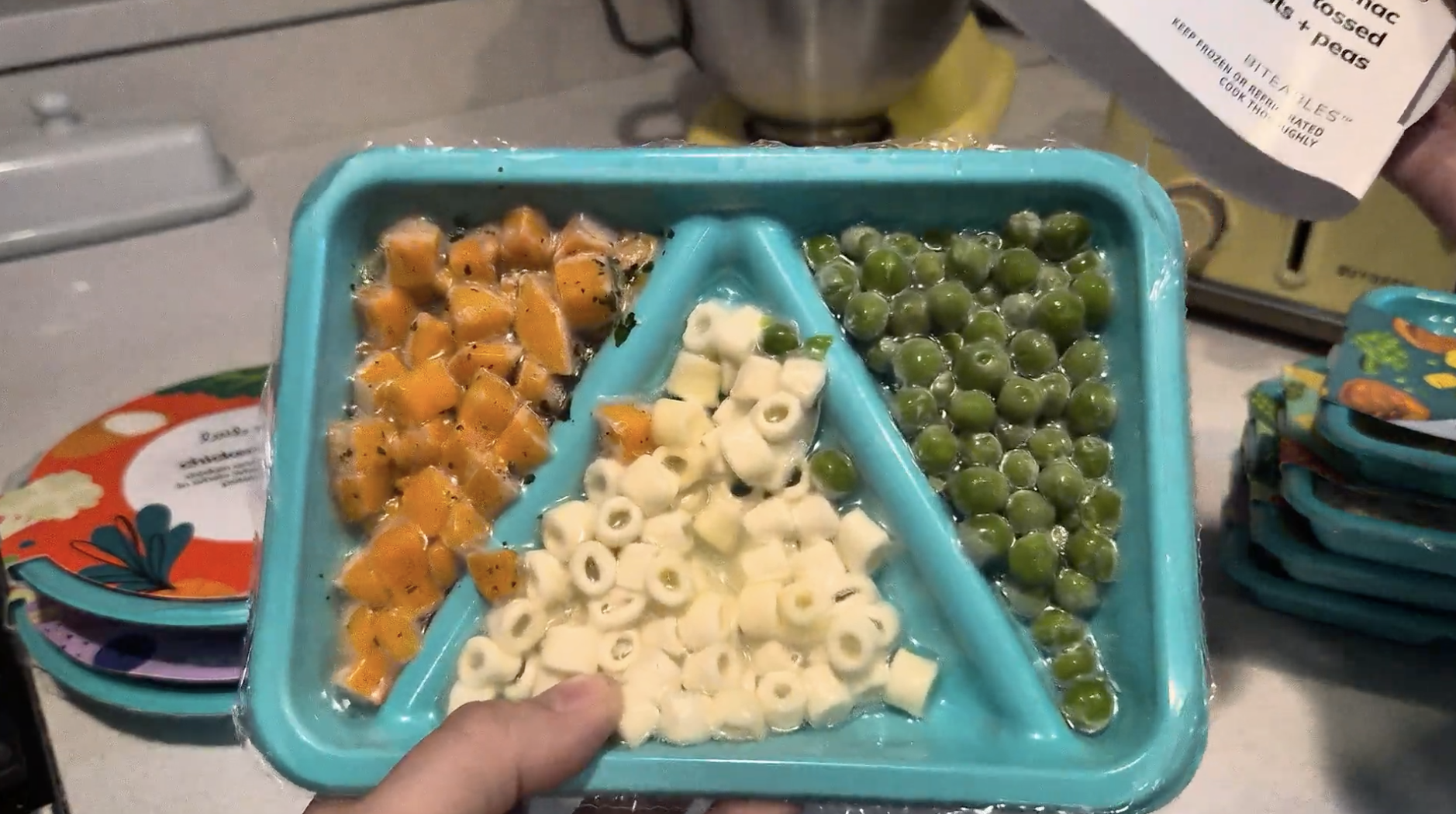
The first thing I noticed when opening the Little Spoon Biteables trays is how intentional everything felt. Each portion of the tray is soft enough for early chewing, especially if your little one doesn’t have a ton of teeth yet, and cut into appropriate bite-sized pieces. They’re also easy for small hands to pick up, which is great if you’re trying to focus on self-feeding.
This might sound like a small detail, but the pre-cut food saved me a surprising amount of time. I didn’t have to stand there cutting everything into tiny pieces or worrying if something was too big. Although, I do have to note, that I was still quite wary of the sizes of a few things and occasionally ended up cutting it even further, but that’s from sheer anxiety as a new mom.
The meals also feel like real food, not just a bunch of snacks thrown together on a plate.
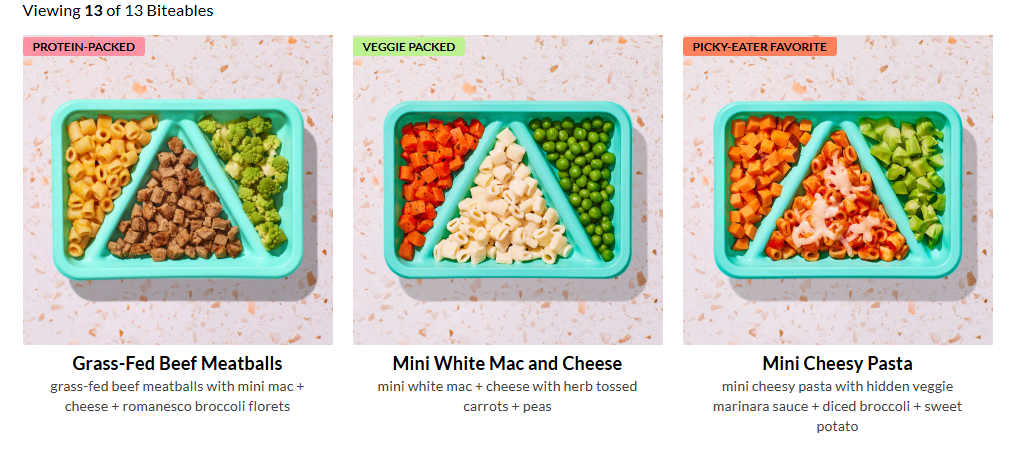
Some of the ones we tried included:
- Mini Cheesy Pasta
- Mini White Mac and Cheese
- Breaded Chicken and Vegetable Bites
- Mini Beef Ravioli
- Mexican-Inspired Chicken
These aren’t complicated meals, but they feel complete, which made me feel better about what I was serving.
The Biggest Benefits
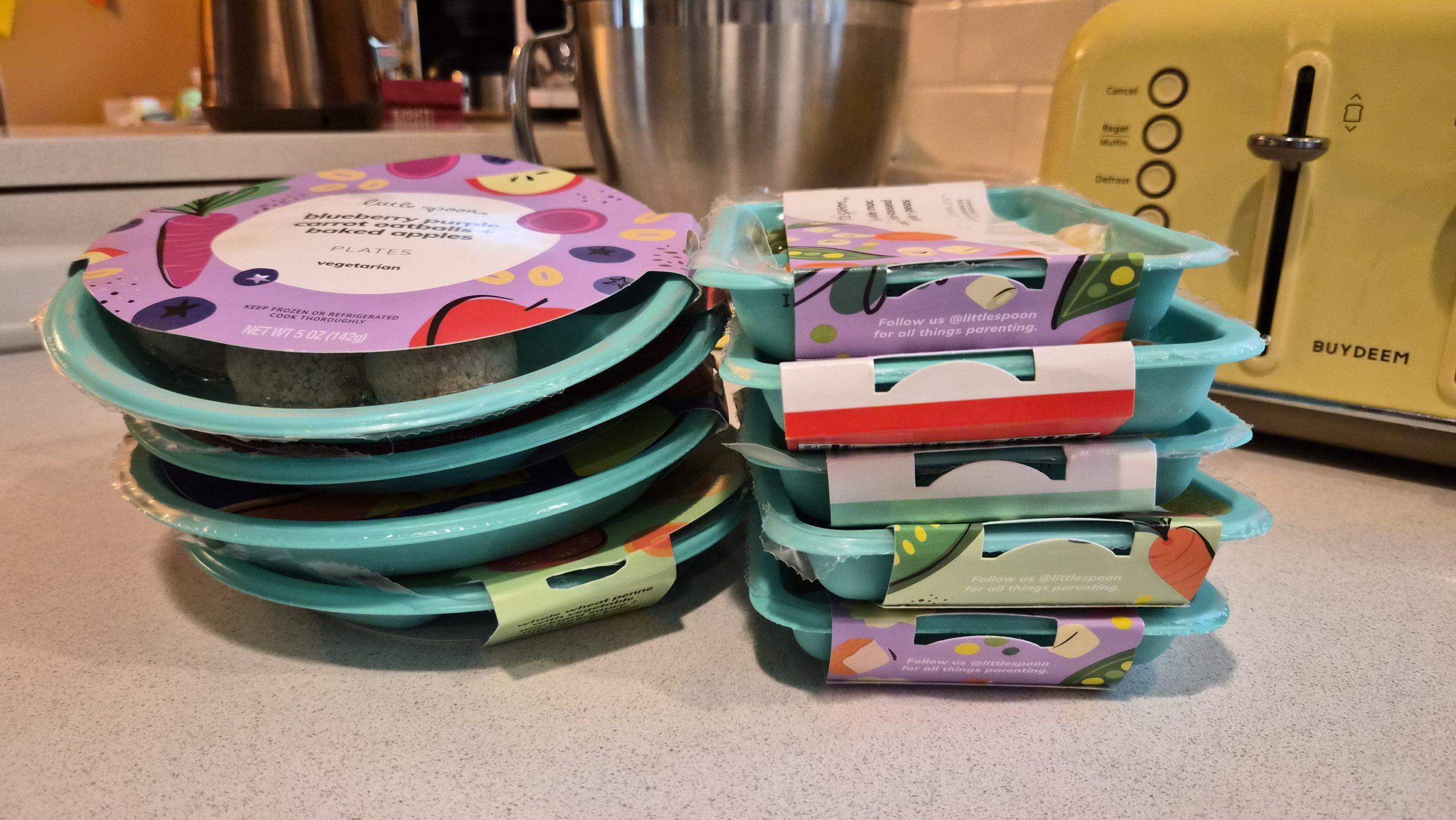
Less Guesswork
When I hit the finger food stage with my daughter, everything felt so uncertain, and there’s so much information available on the internet that it’s not really clear what you’re “supposed” to be doing. Biteables gave me a starting point.
Instead of having to build every single plate I gave her from scratch, I could look at these meals and think: “Okay, this is what a balanced, age-appropriate plate can look like.”
It also helped me figure out what my daughter liked, which I could then replicate with my own cooking later on.
Convenience
There’s really no way around it, Biteables are extremely convenient. There’s no prep, no cutting, and minimal cleanup. You just heat and serve to your little one.
What I appreciated the most is that it didn’t feel like I was taking a shortcut in a negative way. The meals still felt thoughtful and structured, which made it easier to rely on them during busy days. Especially during the early stage when you’re still adjusting to feeding schedules. Having something reliable during that made a huge difference for me.
How It Compares to Nurture Life
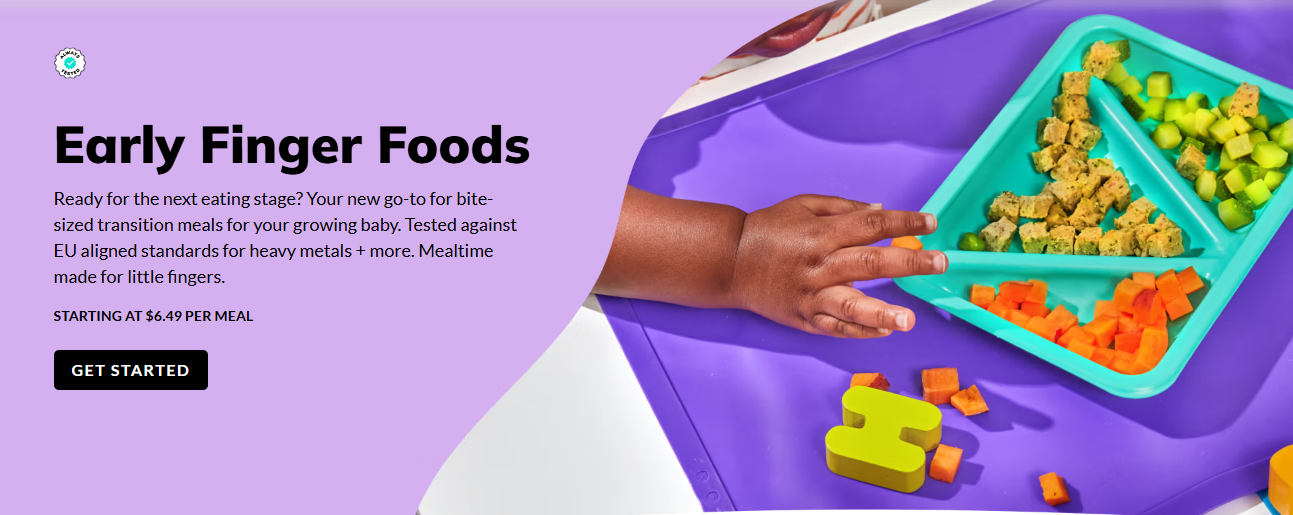
When I was researching options, Nurture Life came up a lot, so it felt like the most natural comparison. Both services offer finger-food style meals aimed at babies and toddlers, and honestly they’re more similar than different in a lot of ways.
Both focus on:
- Ready-made meals
- Soft textures for early eaters
- Balanced combination of proteins, carbs, and vegetables
- Convenience for parents who don’t want to prep every single meal from scratch.
That being said, I did notice a few differences in overall feel.
Nurture Life’s finger foods felt slightly more “toddler meal” oriented to me, while Little Spoon Biteables felt more specifically designed around the transition from purées to self-feeding. The pieces in Biteables generally felt softer and a little more approachable for babies who are still figuring out chewing and picking food up independently.
Little Spoon also felt slightly more beginner-friendly from a parent perspective. The meals looked very straightforward and easy to understand at a glance, which weirdly helped my confidence during that stage. I didn’t feel like I needed to modify much before serving it.
With Nurture Life, I found some meals looked a little more advanced texture-wise depending on the specific option. That may be completely fine for babies further along in their feeding journey, but during those earlier finger-food months, I personally found myself gravitating toward Biteables more often.
I also appreciated that Biteables felt a little less overwhelming visually. The trays are simple, the portions are manageable, and the meals didn’t feel overly complicated for this age group.
Overall, I think both services can work well depending on where your baby is developmentally. If you’re specifically in that nervous “we just started finger foods and I’m terrified of choking” stage, I do think Little Spoon Biteables feels especially supportive for that transition period.
My Daughter’s Reactions to the Meals
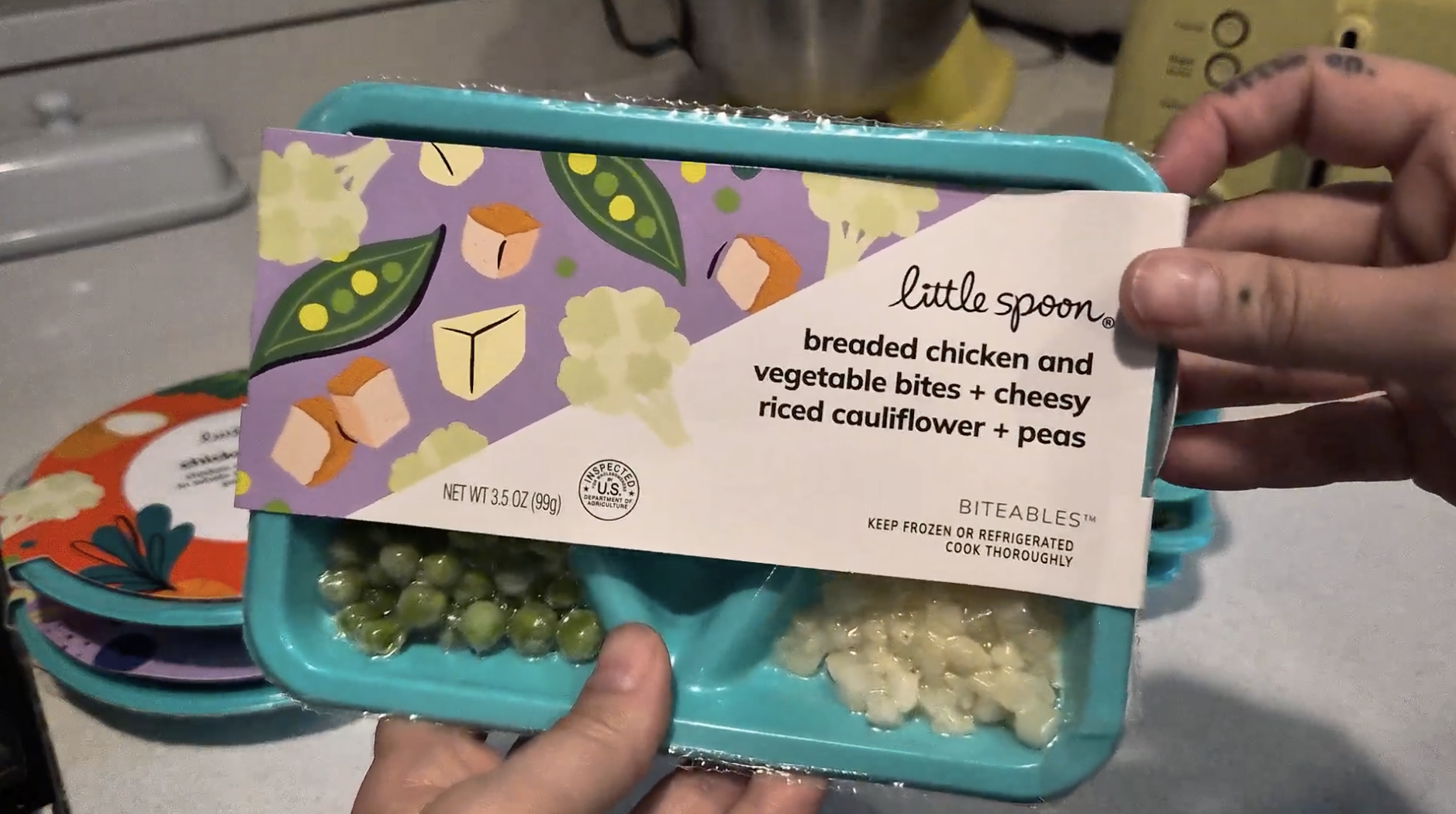
One thing I appreciated is that the meals actually felt realistic for how babies eat in real life. Some meals became instant favorites, while others were met with the classic toddler response of throwing the food on the floor and staring at me like I offended her by even offering such a meal.
The biggest surprise for me was the Mini White Mac and Cheese. I expected her to like it because, honestly, what child doesn’t like pasta and cheese? But she absolutely inhaled it. The noodles stayed soft without becoming mushy, and the sauce had vegetables blended in without tasting overly “healthy,” if that makes sense. It felt like something I would realistically make myself on a busy night. A girl dinner, if you will.
The Mini Beef Ravioli was another absolute hit because it was easy for her to pick up independently. The texture stayed soft enough for early chewing and I like that it felt filling enough to count as an actual meal instead of just snack food. It’s also way healthier than heating up a can of ravioli and calling it a night. She has eaten the ravioli multiple times and each time it’s such a hit. That was actually one of my favorite parts of using Biteables. The repeated exposure without me having to put in a ton of prep work myself.
The Turkey Kale Meatballs were interesting because they introduced a slightly different texture than she was used to. She absolutely devoured the sweet potato and zucchini, but the meatballs were a definite no from her. However, I have noticed that she does not like any obvious meat option unless it’s deeply hidden, like with the ravioli.
Despite her not liking a few meals, I still appreciated having low-pressure opportunities to introduce different flavors and textures without spending an hour cooking something she might reject after one bite (which, yes, has already happened multiple times to me).
Reheating and Texture
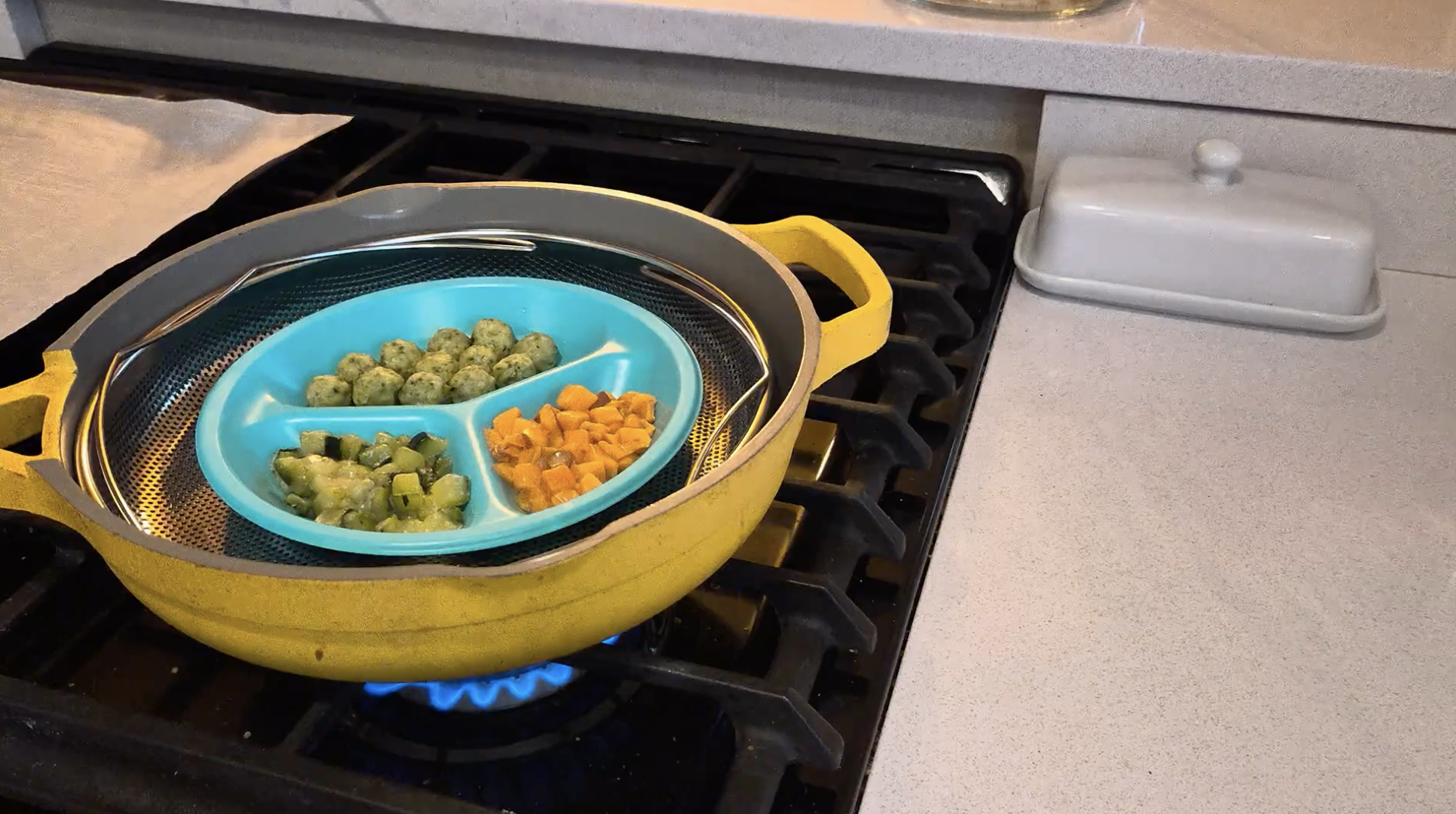
One thing I worried about with pre-made finger foods was texture after reheating. I was concerned everything would become soggy, rubbery, or dried out, especially because texture matters so much during this stage. Overall, I thought Biteables reheated surprisingly well.
The pasta meals stayed soft without turning mushy, and the vegetables generally kept their texture better than I expected. The meals still looked recognizable after heating, which honestly sounds like a low bar, but if you’ve ever reheated certain frozen toddler meals before, you know exactly what I mean. I do want to note that I do have a unique method for reheating these meals: I don’t have a microwave, so I have had to rely on steaming the meals over the stove in my sauce pan.
I also liked that the portions didn’t feel excessive. At this age, appetites change constantly, and I found the serving sizes worked well as a realistic meal without creating huge amounts of waste.
Ingredients and Overall Food Quality
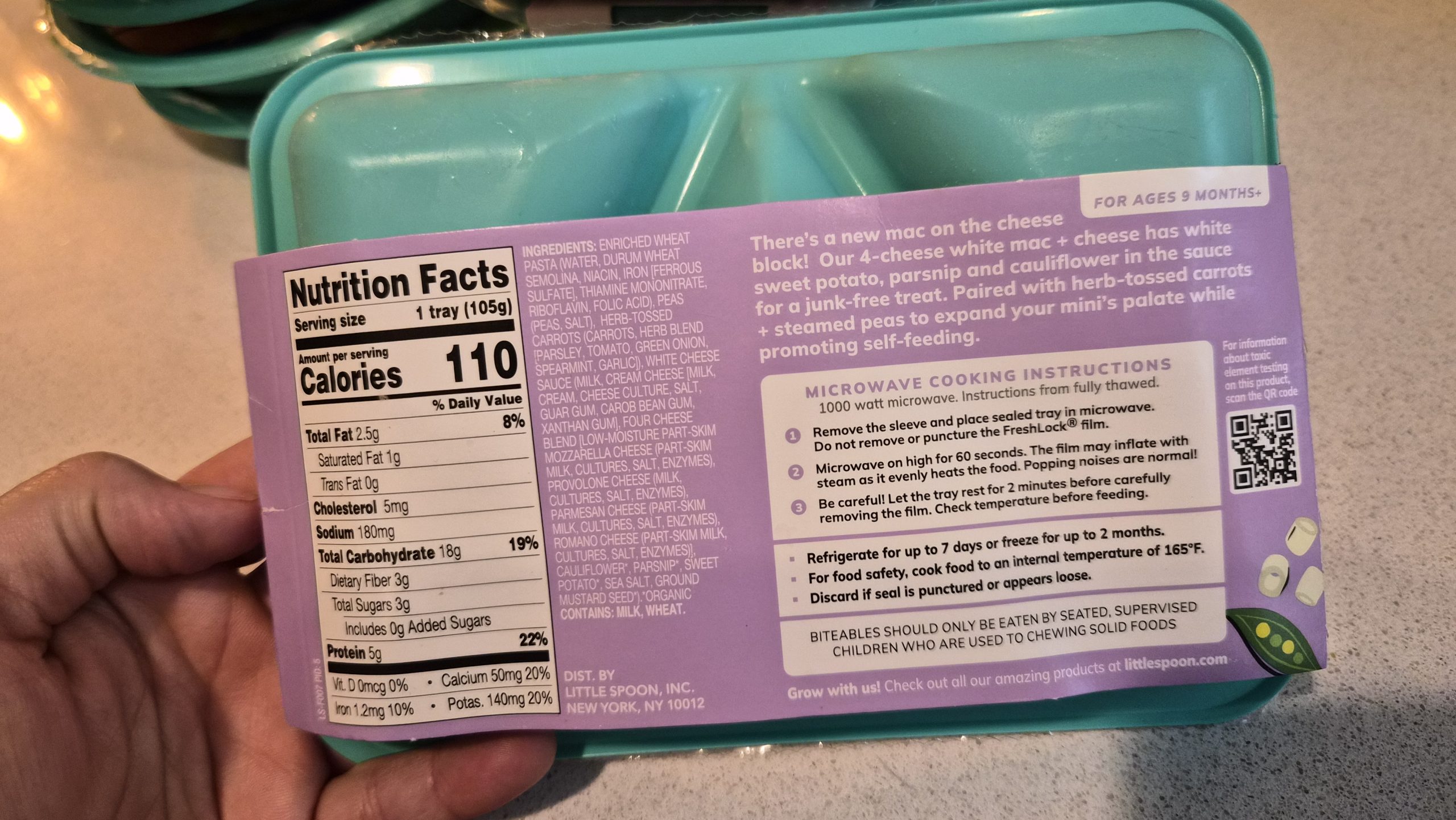
One thing that initially drew me toward Little Spoon in general is that the ingredient lists felt approachable and recognizable. Biteables aren’t marketed as “perfect” health food, but they also don’t feel like stereotypical heavily processed kids meals either.
The meals generally include:
- Proteins
- Vegetables
- Grains or pasta
- Balanced combinations
I also appreciated that the food actually looked like the ingredients it was made from. The vegetables still resembled vegetables. The pasta looked like real pasta. It didn’t feel overly blended, disguised, or artificial.
That balance made the meals feel much more realistic to incorporate into everyday life instead of feeling like “special baby food.”
What I Didn’t Love
No service is perfect, and Biteables definitely has a few downsides worth mentioning.
The biggest one is cost. It’s absolutely more expensive than cooking finger foods yourself. If you have the time, energy, and desire to prep homemade meals constantly, this probably won’t feel necessary.
The second downside is meal rotation. While there’s a decent variety initially, I did notice that after a while we started cycling through many of the same meals repeatedly. For some babies, this really won’t matter at all because toddlers LOVE predictability, but if your child is picky, the options can start to feel slightly limited over time.
And finally, there’s still packaging waste involved, which is pretty much unavoidable with any refrigerated meal delivery services. Everything arrived cold and well insulated, which I obviously appreciate from a food safety standpoint, but it does create a lot of annoying material to throw away or recycle.
Who Biteables Are Best For
After using them consistently during the finger-food transition stage, I think Biteables makes the most sense for:
- Parents nervous about starting finger foods
- Families trying baby-led weaning but feeling overwhelmed
- Busy parents who want backup meals available
- Caregivers who struggle with meal ideas
- Babies learning self-feeding skills
- Parents who want structure without cooking constantly
I especially think they’re helpful during that awkward in-between stage where your baby has moved past purées, but you still don’t fully trust yourself to freestyle meals several times a day.
Final Thoughts: Are Little Spoon Biteables Worth It?
For me, personally, Biteables ended up being less about convenience alone and more about reducing the mental load during a stage that felt surprisingly stressful.
They didn’t replace homemade meals completely, and I never expected them to. What they did do was give me reliable, thoughtfully portioned meals during a time where I constantly felt unsure of myself.
That confidence boost ended up being almost as valuable as the convenience itself.
I still cooked for my daughter. I still experimented with foods at home. But having Biteables in the fridge meant there were days where I didn’t have to overthink every single meal decision while simultaneously trying to care for a baby. During the finger food stage, this support was priceless.