
Life with kids creates a special kind of mess. I should know as a mom of three, life is a whirlwind of mess and leaves little time to focus on the important cleaning part. The cereal crumbs are obvious, but finger prints on cabinet handles or refrigerator, dust and toys under the sofa, and forgotten items at the bottom of the toy bin are easier to miss. Regular cleaning keeps a home functional. But the necessary and oftentimes forgotten deep cleaning tackles the buildup that routine pick-up leaves behind.
For most households with children, a practical target is once every three months. And don’t worry, that does not mean scrubbing the entire house from top to bottom in one exhausting weekend. The best solution? Focus on dividing the work up into rooms of the house. Divide the work up into manageable blocks and bring in professional help when the list is bigger than the time available. It’s ok to allow yourself to do that.
Table of Contents
How often should you deep clean a house with kids?

A home with children or pets will usually need a deep clean more often than a household with lighter foot traffic. Penny Pinchin’ Mom suggests that families with kids aim for a deep clean about once every three months. Homes without children or pets may be able to go longer between deep cleans. Busy households with frequent playdates, shedding pets, or lots of people coming and going may need some areas tackled even sooner.
Treat three months as the starting point, not a hard and fast rule. Each household has different mess levels. A crawling baby, potty training, muddy sports practices, shedding pets, allergy season, or illness can make an earlier reset worthwhile and necessary. A rarely used area may not require the same attention every quarter.
The best cleaning schedule is one that helps your home feel manageable without turning cleaning into a constant project for you to manage on top of everything else on your to-do list.
Daily upkeep and deep cleaning are not the same.
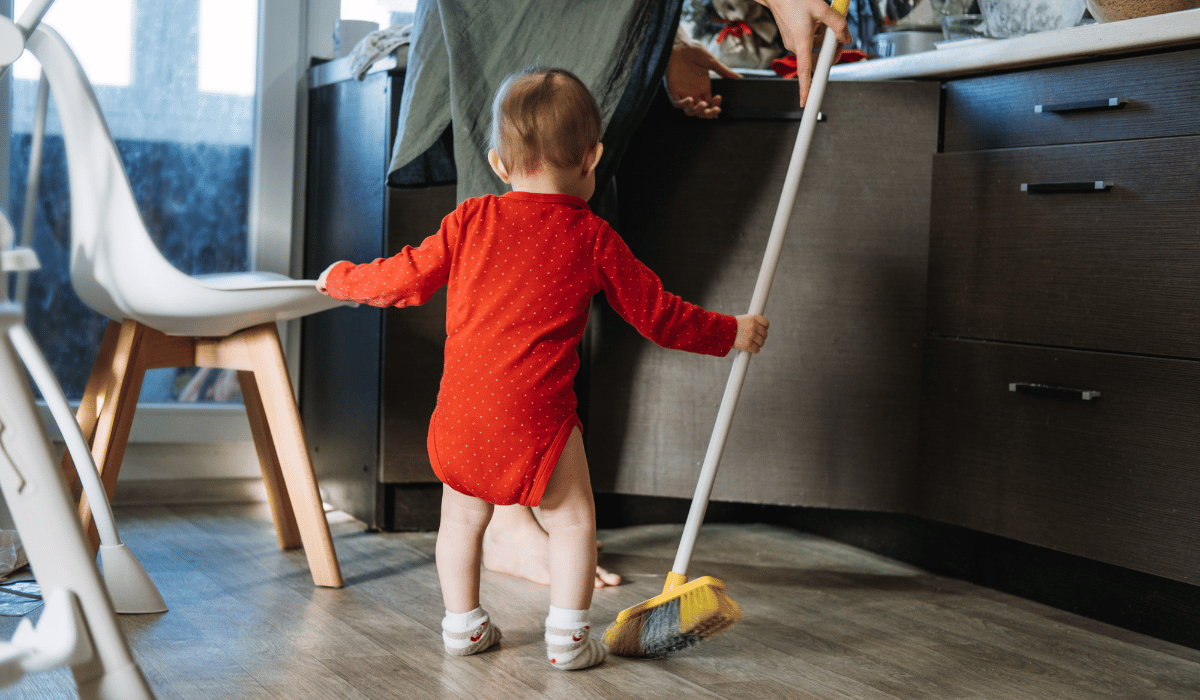
Daily and weekly upkeep handles visible mess and the chores that keep family life moving forward. Dishes, trash, laundry, counters, toilets, sinks, floors, and toys. Deep cleaning however, reaches behind, beneath, and inside the places you normally clean. Think cabinet fronts, baseboards, windows, under appliances, the interior of the refrigerator, and that ever overflowing toy storage bin.
A simple way to tell the difference in what is on the weekly clean list or the quarterly list is to ask yourself, “ Would I normally get to this during my regular daily or weekly cleaning?” If the answer is no, it probably belongs on the quarterly cleaning list.
The 3-month deep clean checklist for families

Before starting, walk through your house and choose the tasks your home actually needs. You do not have to complete every item every quarter. Just keep a running list of what has been done so you can move on to the next task the next quarter. Prioritize visible buildup, high use rooms, and jobs that will make weekly cleaning easier. I like to go room to room to make a checklist and then prioritize what my house cleaning demands first.
Kitchen
The kitchen is the heartbeat of the home. It collects the most crumbs, grease, sticky fingerprints everywhere, and forgotten food faster than almost any other room. Start here if you want the biggest most noticeable reset. The best way to get the best cleaning is to start from top to bottom.
- Clean inside the refrigerator. Discard expired food, sauces, dressings, remove shelves and drawers if the manufacturer allows it, and wipe spills from the interior walls and drawers.
- Clean the oven and microwave interiors according to the appliance instructions.
- Degrease the stovetop, backsplash, range and hood exterior, and cabinet fronts.
- Remove all countertop items and scrub counters of grease and crumbs, wipe down containers, shelves, and appliances.
- Reminder to not move anything too heavy and to handle the big appliances safely.
- Wipe down chairs, table legs, highchair crevices, drawer pulls, refrigerator face and handles, and light switches.
- Pick up everything on the floors and remove them out of the kitchen area so you can sweep and mop, getting under rugs and runners in the kitchen.
- Don’t forget the baseboards around the kitchen.
Finish by returning only useful items to the counters. Less surface clutter makes everyday wipe downs faster and your kitchen feeling much less cluttered.
Bathrooms
Weekly bathroom cleaning usually covers the toilet, sink, mirrors, shower/tub, and floors. A quarterly check is the time to address buildup around those areas for a deeper cleaning.
- Dust exhaust fan covers and vents that are safely within reach.
- Dust walls with a wet rag.
- Scrub tile and grout with a product that is appropriate for the surface.
- Scrub soap residue from shower doors, tracks, grout, and fixtures.
- Wash or replace the shower curtain and liner as directed by the care labels.
- Scrub sink exterior for soap/toothpaste residue
- Empty and wipe down vanity drawers and cabinets, clean toothbrush holders, soap dispensers, bath toy containers, and step stools.
- Wipe doors, handles, baseboards, and cabinet exteriors, then check under the sink for leaks or damaged containers-this would be a great time to re-organize under the bathroom cabinets as well and purge old or used items that need to be discarded.
Never combine cleaning products, and keep all supplies out of children’s reach. Always follow product labels and ventilate the room when directed.
Kids’ bedrooms and playroom
Deep cleaning a child’s space is partly about removing dirt and partly about making the room easier to use. A simple toy rotation can reduce clutter without requiring a major purge.
- Empty toy bins, wipe the bins and shelves down, and sort toys into keep, rotate, donate, repair, and discard groups.
- Wash machine-safe stuffed animals according to their care labels; vacuum or spot clean other soft toys when appropriate.
- Vacuum beneath beds and other safely movable furniture. Wash mattress protectors and follow the manufacturer’s mattress cleaning directions.
- Wipe bed frames, lamps, doorknobs, switches, and drawer pulls.
- Set aside outgrown clothes to donate or sell.
- Clean art tables, easels, washable supply containers, and dried glue or paint splatters using surface safe methods.
Invite children to handle one small category at a time, such as organizing puzzles or stuffed animals. That is less overwhelming than asking them to “clean the playroom.”
Living room and family room
Shared rooms like these often are great at hiding small messes like crumbs, pet hair, and dust in upholstery and can build up under furniture.
- Vacuum sofa and under cushions.
- Spot clean only after checking the manufacturer’s directions.
- Vacuum under furniture that can be moved safely.
- Launder washable throw blankets and pillow covers to freshen them up.
- Dust shelves, lamps, electronics, ceiling fan blades, and baseboards.
- Wipe down remotes, game controllers and consoles, light switches, and handles.
- Clean windows, tracks for doors, and window sills.
- Sort through and organize books, games, craft supplies, and media
The finishing home tasks
Once you have completed these rooms, there’s a few more things to take care of to make the whole house refreshed.
- Dust vents, door frames, and baseboards
- Service HVAC filters on the recommended schedule to prevent build up
- Vacuum stairs, rugs, and other areas missed during those quick weekly clean ups.
- Wipe washable walls, doors, and high-touch surfaces with products approved for their finishes.
- Check smoke and carbon-monoxide alarms according to manufacturer guidance.
- Empty vacuum canisters, clean tools, filters, and wash reusable cloths so supplies are ready for the next routine clean.
How to deep clean without losing an entire weekend
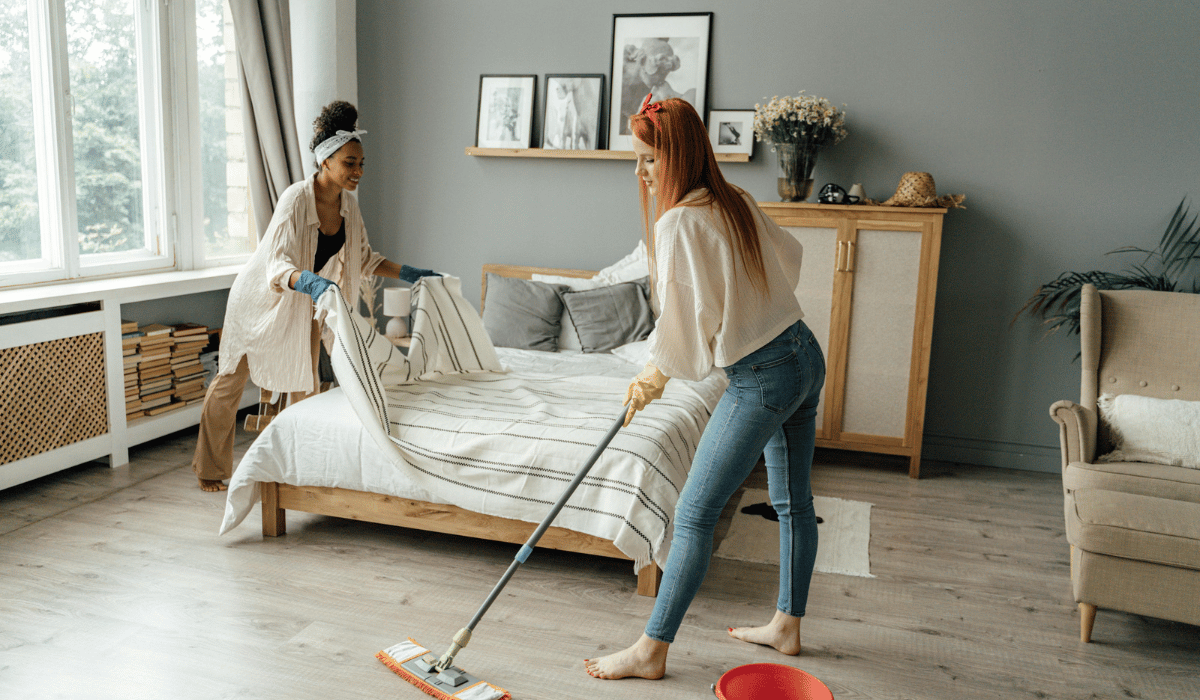
The easiest way to keep a quarterly reset from becoming overwhelming and exhausting is to stop treating it as a one day event. Break the work into four manageable sections over a month:
- Kitchen and dining area
- Bathrooms
- Bedrooms and play spaces
- Living areas and whole home details
Set a block of time for yourself as a goal of 60 to 90 minutes rather than “until the room is done.” This will mentally be a much more manageable goal to accomplish. Work from top to bottom so dust and crumbs fall onto floors and surfaces that haven’t been cleaned yet. Gather supplies before beginning, and declutter first so cleaning time is not spent relocating piles.
Children can help too, if old enough. Turn it into a game and maybe throw on some fun music. They can help to match toys to bins, sort clothes, carry linens, or wipe low surfaces with water and a microfiber cloth. Adults should handle chemicals, appliances, step stools, sharp and heavy objects, and heavy furniture.
When should you deep clean sooner?
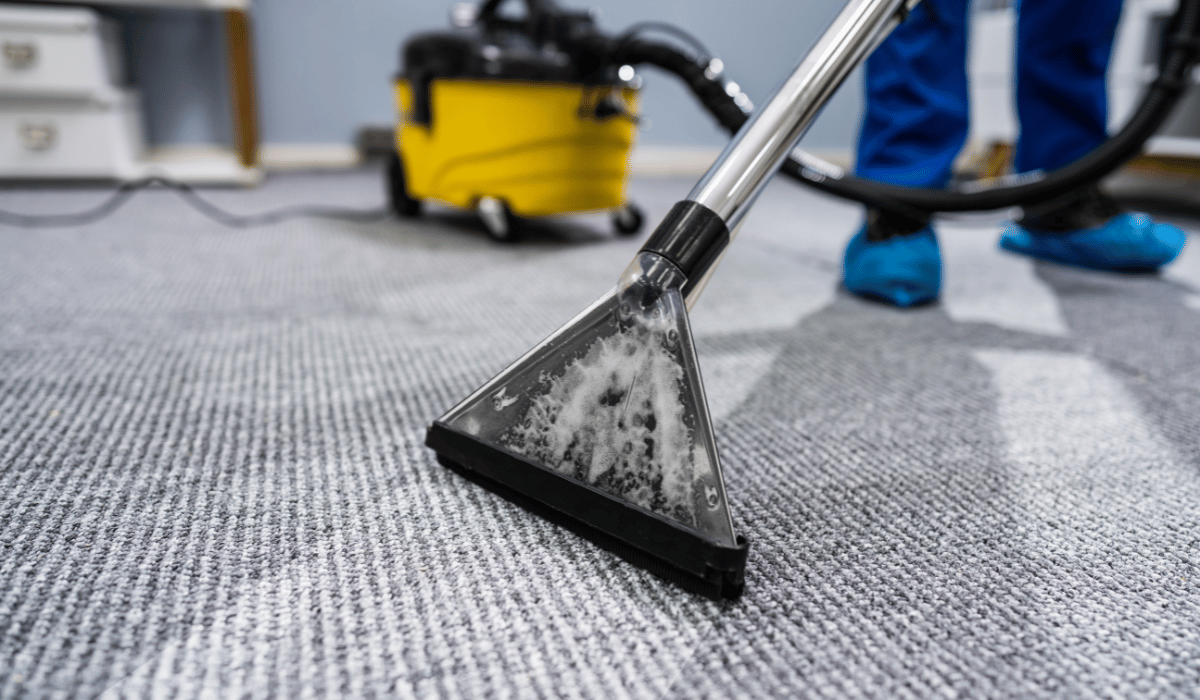
A quarterly schedule is flexible. Move a deep clean session forward when:
- Someone in the house has been sick. The CDC advises cleaning before disinfecting and paying extra attention to disinfection when someone is ill or at a higher risk.
- You notice lingering odors, sticky build up, visible grime, or a build up of dust.
- Seasonal allergies are flaring and soft surfaces or dusty areas need attention.
- Your family is entering or leaving a messy stage, such as potty training, a sports season, or a home project.
- You are preparing for guests, returning from a long trip, or recovering from hosting a busy holiday.
You may not need a whole house deep clean. Often, just targeting the affected living spaces, entryways, bathrooms, bedrooms, or play area is enough.
Where hiring a cleaner fits into the quarterly reset

A professional cleaning can take the most time consuming work off your list. Services like Homeaglow lets their customers schedule their cleaning online and typical services cover routine tasks such as dusting, vacuuming, bathroom cleaning, and appliance exteriors. Premium options include jobs that fit naturally into that deep clean routine, such as cleaning inside the refrigerator, oven, and cabinets, as well as interior windows and walls.
You can either bring in help for the day-to-day tasks, freeing up your time for occasional deep cleaning, or outsource the deep cleans and keep a regular routine. Of course, if you decide that the time is more valuable than the money, no one would blame you for opting to hand off both!
Before the appointment, communicate which rooms and tasks matter most. Put away loose clutter, papers, and valuables so the booked time can focus on what’s needed. If the list will not fit into one visit, assign the highest effort spaces to the professional.
Booking help does not replace the everyday upkeep of the home, but it can make a quarterly schedule more realistic. It is especially useful before the holidays, after a demanding season, or anytime spending the weekend with your family matters more than scrubbing the baseboards.
Keep the reset going between deep cleans
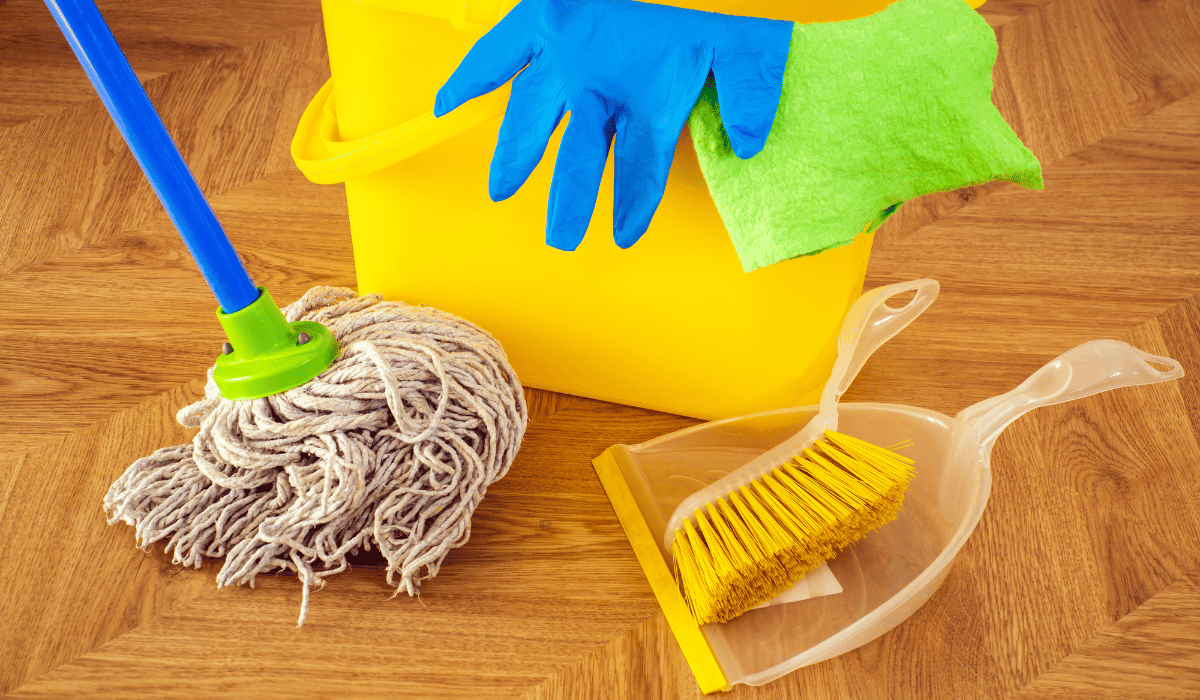
Small habits prevent three months of build up from turning into an overwhelming marathon of cleaning. Try 10 minute family pickup at the end of the day, a basket for items that belong in another room, and a quick weekly wipe of high touch surfaces. Rotate toys instead of storing everything within reach, deal with spills before they harden, and add one overlooked task to each weekly clean.
The goal here is not a home that looks untouched, but a home that’s lived in and well maintained. It is a home that supports the people living in it rather than a home that has overcome them. With regular upkeep, a room by room quarterly reset, and professional help when needed, families can keep deeper messes under control without giving every free weekend to cleaning.