
Table of Contents
So Many Options… Where to Start?
Picking a baby formula is a lot. Nobody tells you there’s going to be a whole research project involved. You’re already running on no sleep, and suddenly you’re standing in the formula aisle staring at twelve options that all look basically the same. Rather than relying on marketing claims, it can be more useful to start your search by focusing on how a formula is developed, the standards it must meet, and the evidence behind its nutritional composition.
How Formula Standards Work
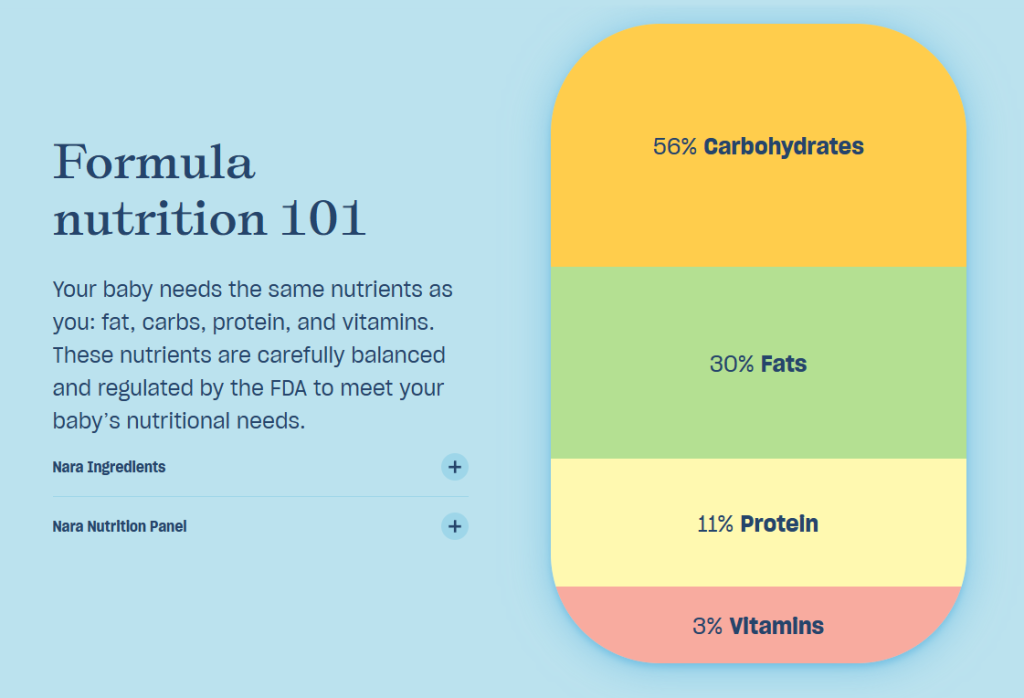
In the U.S., infant formulas must meet FDA requirements for 30 essential nutrients, including proteins, fats, vitamins, and minerals. Optional additions like prebiotics may be included but are not required.
While all formulas must meet baseline requirements, they differ in ingredient choices, fat sources, and optional additions (like prebiotics). These differences are usually what parents end up comparing when it comes time to make a purchase.
Key Nutrients
The FDA requires 30 nutrients in any infant formula sold in the U.S., including:
- Three macronutrients: Protein, linoleic acid (an essential fatty acid), and fat
- 15 vitamins and 12 minerals
- Optional Components: Some formulas include prebiotics and DHA/ARA but these are not listed as required.
United States vs. European Union
While the FDA website states that they do not approve infant formulas, the FDA must be notified before infant formula manufacturers market a new formula in the United States and provide a new infant formula submission.
Almost all infant formulas in the U.S. are manufactured by four main manufacturers: Abbott Nutrition (Similac), Mead Johnson Nutrition (Enfamil), Nestlé (Gerber), and Perrigo (generic versions/store brands, Bobbie). Other formulas that are well-known and manufactured outside of the U.S. that meet both the EU and U.S. requirements for infant formulas include Nara Organics and Kendal Nutricare (Kendamil).
Nutritional tolerance ranges are not as broad in the EU as they are in the U.S., and some new parents might add this to the list of considerations when figuring out which formulas are right for them.
When it comes to infant formula regulation in the EU, EFSA sets precise scientific requirements before a product can be sold that manufacturers must follow. The requirements include nutritional ranges, ingredients, raw materials, contaminants and residues. Along with a list of nutritional requirements, there is also a list of ingredients that manufacturers are not allowed to add and unless an ingredient is explicitly approved, it cannot be used.
Prebiotics
Breastmilk is considered the gold standard since it contains active living antibodies, it changes as baby grows, is preferred due to its fat content, and tends to be more easily digestible, among other reasons. Many brands out there model their product accordingly.
No formula can truly mimic breastmilk perfectly, but when choosing a formula, this is something to consider. Some formulas aim to more closely resemble aspects of breastmilk composition, such as fat structure or the inclusion of prebiotics. At the same time, babies are also developing their digestive system each day.
Commonly Compared Formulas
New parents don’t exactly have endless bandwidth, and choosing and sticking with a formula often sits alongside everything else, like hectic work schedules, feeding routines, and sleep (or lack of it).
While there are many options available, ingredient formulation and manufacturing approach are often what help bring a bit of clarity when everything feels similar. Ultimately, of course, the best formula is the one your baby accepts comfortably and supports healthy growth and development.
With that in mind, here are four formulas that frequently come up in comparisons:
Nara Organics
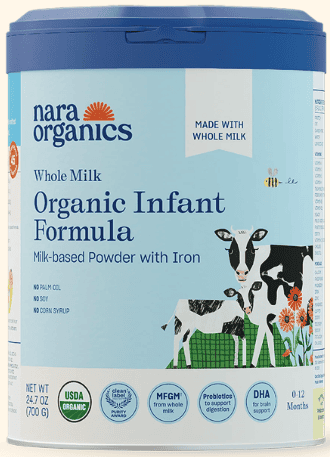
Nara Organics is priced at $44.99 for a 24.7 oz can, with a subscription option. It’s available at Target and through the brand’s website.
Nara is built around whole milk fat as its primary fat source, rather than a mix of skim milk and added oils. It includes prebiotics to support digestion and gut health, along with key nutrients like DHA and ARA for brain development.
The formula is manufactured in Germany and meets both U.S. (FDA) and European Union safety and nutrition standards. Each batch undergoes testing for contaminants.
Nara’s formulation is USDA-certified organic and avoids ingredients like soy, palm oil, maltodextrin, and corn syrup solids.
Kendamil
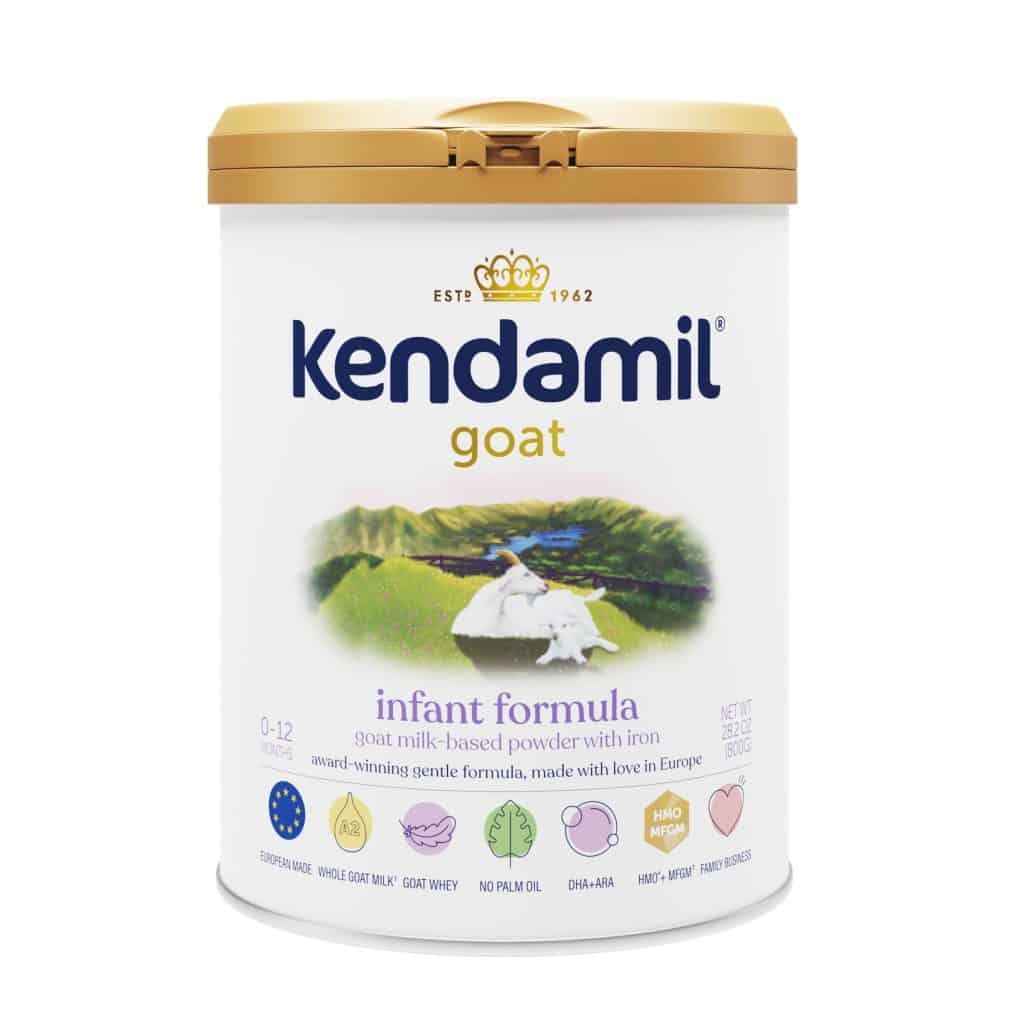
Kendamil (goatmilk and organic) can be found at both Walmart and Target. The goatmilk formula is about the same price as Nara Organics at $44.99 (give or take a couple cents depending on location), organic is $39.99 and regular is $33.99 for 28.2oz.
The brand uses a combination of skim milk and whole milk fat, and their formula also contains GOS and FOS prebiotics. Not all Kendamil products are organic but they do produce an organic formula option as mentioned above. Kendamil is manufactured in the EU and adheres to both EU and the U.S. nutrition guidelines.
Bobbie
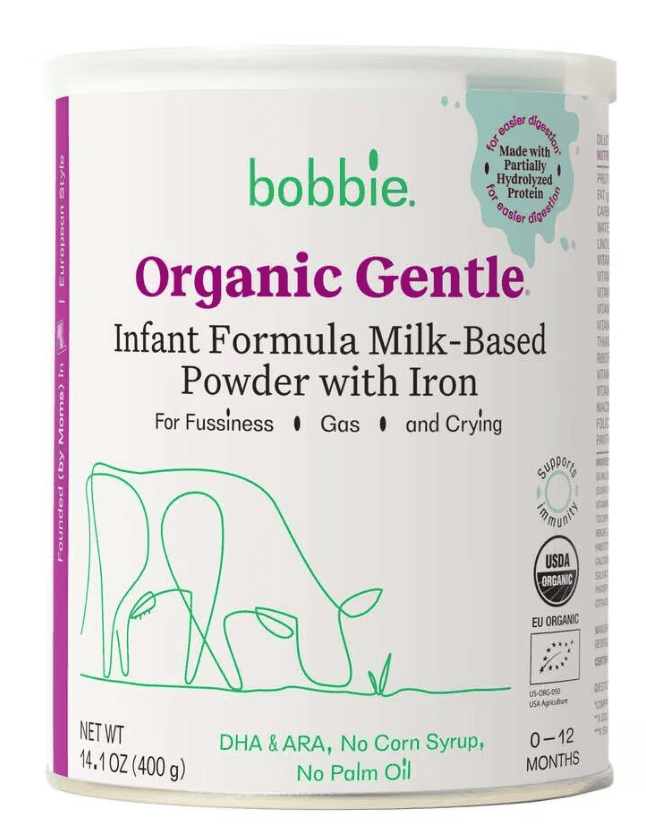
Bobbie Organic whole milk is priced at $35.69 for 24oz. and can be found at both Walmart and Target. They use both skim milk and whole milk fat. However, Bobbie’s affordability was difficult to beat by the other three formulas. They also include a “grass-fed” option but not all of their formulas are certified organic. Bobbie is manufactured in the United States by Perrigo.
Enfamil
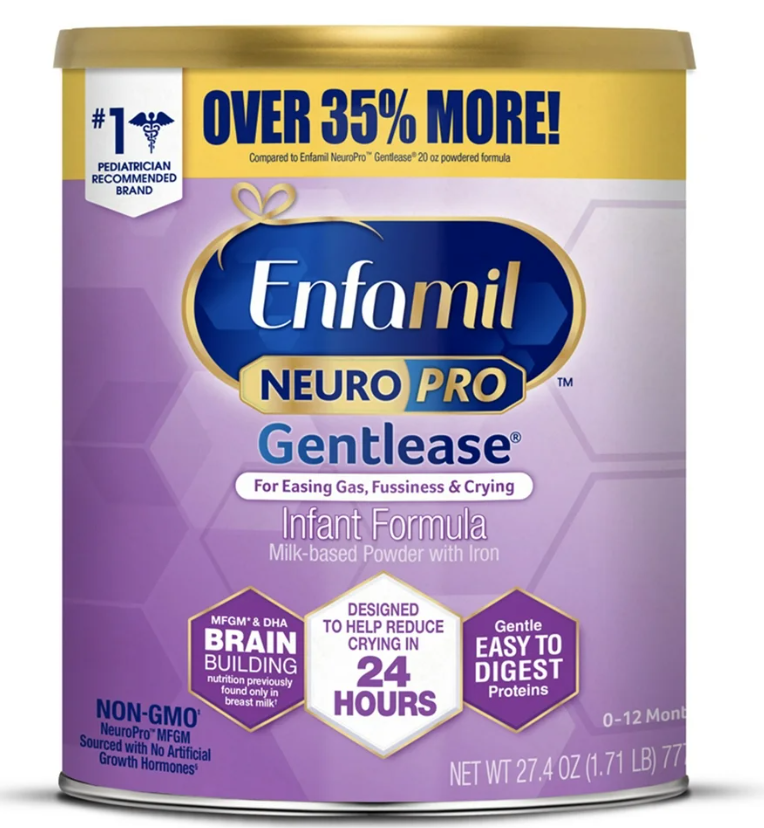
Enfamil Neuropro and Gentlease can be found in multiple locations including Walmart, Target, CVS, and Walgreens. Enfamil Neuropro is priced at $48.99 for 28.3oz while Enfamil Neuropro Gentlease is $52.99 for 27.4oz.
The key difference is that Gentlease is modified for sensitive digestion due to reduced lactose, using corn syrup solids as an alternative carbohydrate source. Out of the formulas listed above, these two Enfamil formulas are a bit more expensive at both locations. Enfamil follows the U.S. FDA guidelines and is manufactured in the United States by Mead Johnson Nutrition.
Final Thoughts
When it comes time to refine your search down from seemingly endless formula options (and cacophony from online recommendations and parenting forums), choosing a formula can feel more complicated than it needs to be.
The reality is that all infant formulas sold in the U.S. must meet strict nutritional requirements. Where they begin to differentiate themselves is in how those nutrients are delivered, including through ingredient choices, fat sources, added components such as prebiotics, and manufacturing standards. Some formulas prioritize whole milk fat and gut health support, while others focus more on affordability, accessibility, or specialized digestion needs.If you are feeling stuck, it can help to focus on a few areas like those listed above: regulatory standards, ingredient transparency, and, most importantly, how your baby actually responds to a formula. From there, your goal can be simply identifying the one that best fits your lifestyle.
At the end of the day, understanding where and how formulas differ can help you feel more confident that your baby is getting the nutrition they need to grow and thrive. And what’s more important than that?