If you’ve ever found yourself staring into the fridge at 5:30PM with a hungry baby or toddler and absolutely no plan, you’ve probably at least considered a baby food delivery service at one point. That’s exactly where I was. Once I had to start feeding my daughter three times a day plus snacks twice a day, I realized I have no idea what to make her most times. Sure, we have our staple rotation, but I started to worry: am I giving her enough nutritious foods? Should I be broadening her palette a bit more?
At some point, I realized I was rotating through the exact same “safe” foods over and over because I knew she would eat them. Yogurt. Fruit. Pasta. Eggs. Toast. Repeat forever. And if I’m being honest, feeding a toddler can start to feel surprisingly high-pressure. You’re suddenly thinking about vegetables, iron, protein, exposure to allergens, variety, textures… all while trying to keep a tiny person from throwing shredded cheese like confetti.
I wanted something convenient, but I didn’t want to sacrifice ingredient quality (hello frozen kids meals at the supermarket). I wanted variety, but I also didn’t want to spend hours every week prepping tiny perfectly cut meals. And most importantly, I wanted something my child would actually eat.
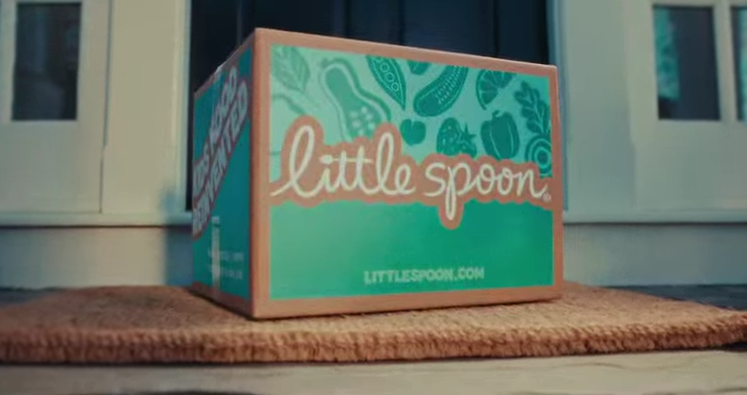
After researching multiple baby food delivery services, I decided to try Little Spoon. I’ve now been using it consistently for about three months, and I’ve had the chance to test both their Blends (pureés) and their Biteables and Plates (finger foods and toddler meals). Here is what stood out to me, what surprised me, and what I think is worth knowing before you try it.
Table of Contents
What is Little Spoon?
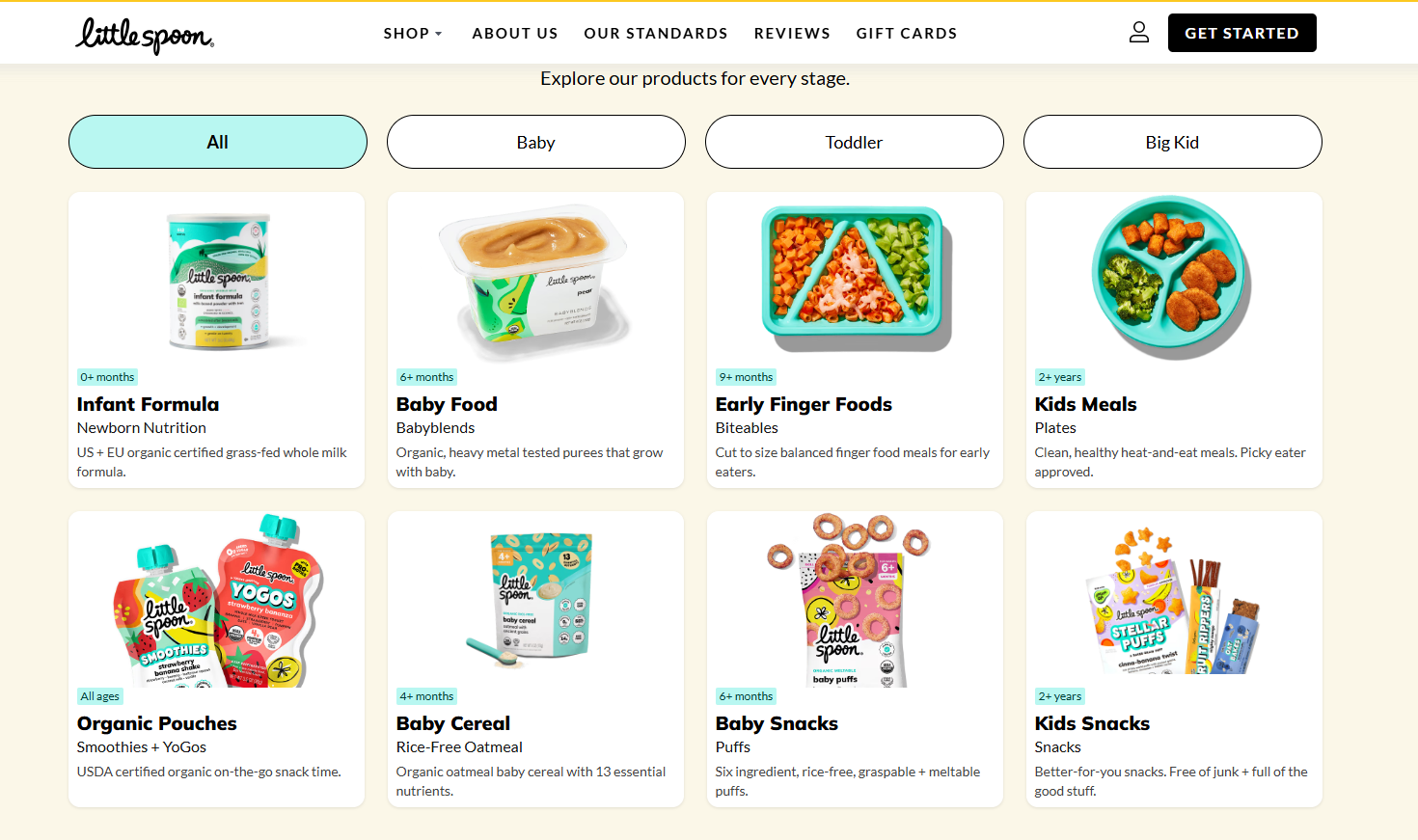
If you haven’t seen an ad floating around social media (which is how I originally discovered them), then you might not know that Little Spoon is a baby and toddler food delivery service. It’s designed to meet kids at different stages of eating. Instead of focusing on just one category they offer:
- Blends (pureés for babies)
- Biteables (early finger foods)
- Plates (full toddler meals)
- Smoothies, snacks, and other fun add-ons
What initially caught my attention is that it’s not just “baby food.” It’s more like a progression system that grows with your child, which makes it feel less like a temporary solution and more like something you can use over time.
My Ordering and Delivery Experience
Ordering was straightforward. The website is easy to navigate, and everything is organized by age and stage, which helped narrow things down quickly.
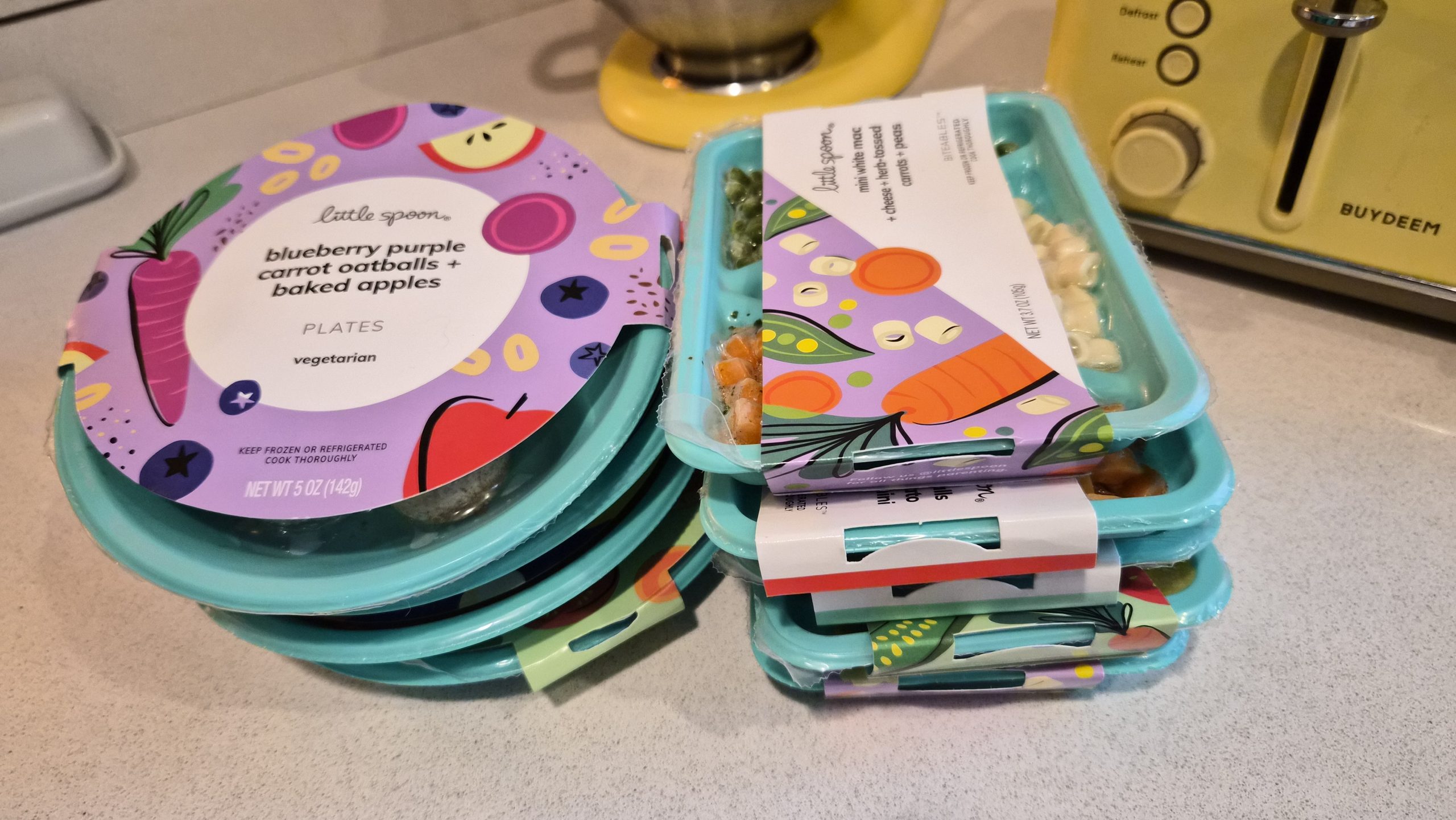
I currently receive deliveries every two weeks, which has worked well for our routine. My typical order consists of:
- 8 Plates
- Occasionally a few smoothies, snacks, or even a few blends
This usually comes out to around $72 per order (without the additions), plus $9.99 shipping. I also get a small discount based on order size, which helps offset the cost slightly.
Packaging
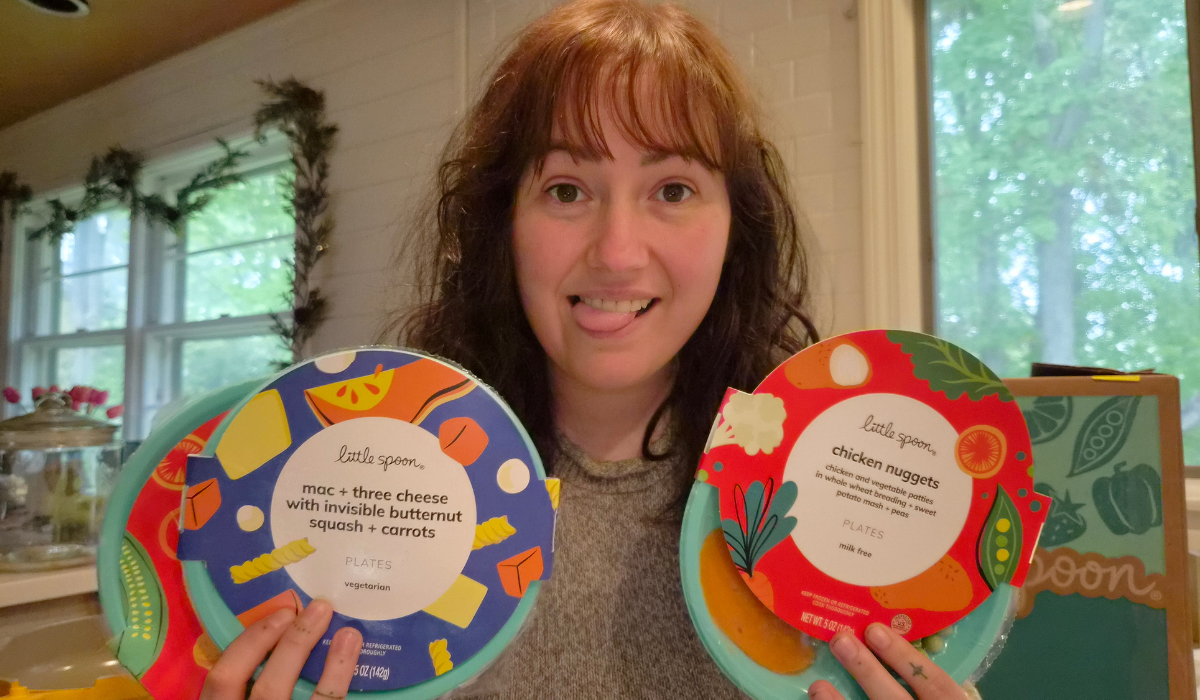
This is one area where I have mixed feelings. Everything arrives well-insulated with around two to three large ice packs to keep the food cold, which is obviously necessary for safety. The food has always arrived fresh and properly chilled. That being said, the packaging is a lot.
The boxes are quite bulky, and might get larger if you have more quantity. There’s quite a bit of insulation and packing material to deal with. However, I do want to note that this isn’t unique to Little Spoon. I have had this exact same experience with other food delivery services, but it’s still something to be aware of if you’re ordering regularly.
On the plus side, the containers that hold the food are reusable and recyclable, which I really appreciate.
Blends: Organic Baby Food
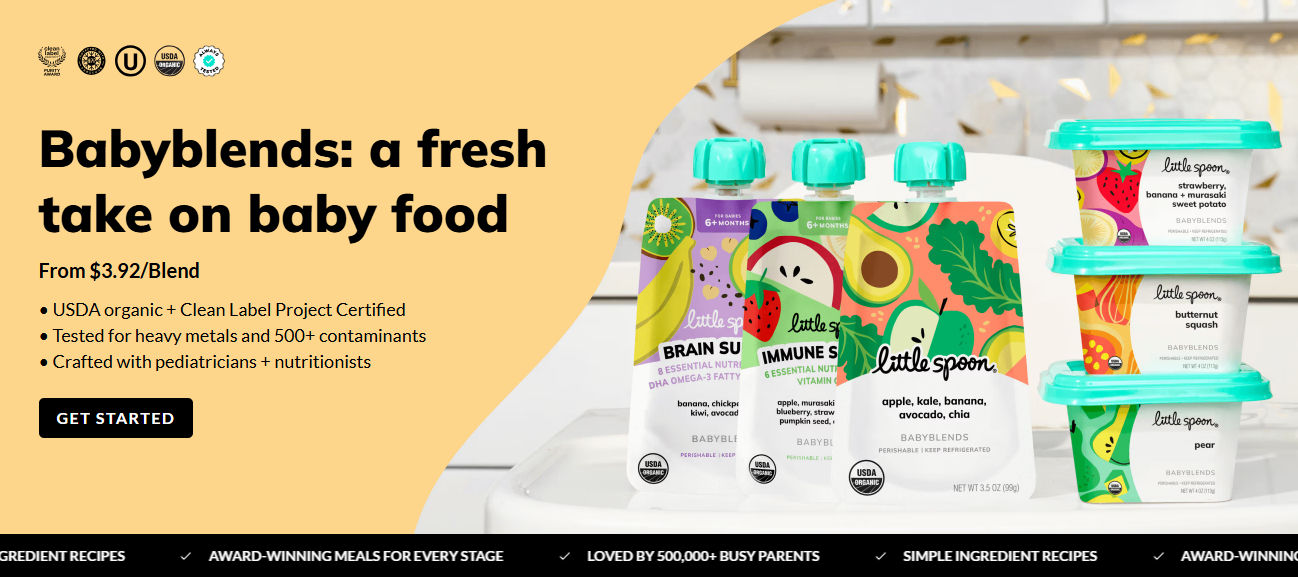
Even though my daughter is now a toddler, I still tried the Blends because 1. She was still under 12 months when I started using Little Spoon and 2. I was curious how they compared to other pureés I have bought at the grocery store.
Ingredients and Claims
Here is where Blends stand out to me:
- Made with organic ingredients
- Non-GMO
- Tested for 500+ toxins
I have seen news articles talk about toxins being found in baby pureés, so this was especially important to me. For parents who are deep in the ingredient-research phase, this level of transparency is ideal.
Taste and Texture
What surprised me the most is that they actually taste good. Not in a “this is fine for baby food” kind of way, but that it feels closer to the pureés I have made at home (and promptly stopped because it’s so much work!). Some baby pureés from the grocery store have that overly sweet or watered-down taste where every flavor somehow tastes vaguely the same. These didn’t. The vegetable blends actually tasted like real vegetables, and the fruit combinations didn’t taste overly sugary.
I even noticed the texture differences right away. The consistency felt smoother and more similar to homemade pureés than the shelf-stable jars I had previously bought.
My daughter is still obsessed with the butternut squash blend, and I’ve even used it as a shortcut ingredient by mixing it into pasta to add vegetables without extra prep. She would genuinely get excited when she saw the container come out of the fridge, which sounds ridiculous to say about pureés squash, but babies are strange little people. There were also several nights where she refused the actual dinner I made her and happily ate the pureé instead, which honestly made me appreciate them even more as a backup option.
When Blends Make Sense
Blends are especially useful during:
- Early feeding stages
- Travel or busy days
- Situations where you want something reliable without cooking
They’re convenient, but they don’t feel like a compromise.
Biteables: A Helpful Transition to Finger Foods
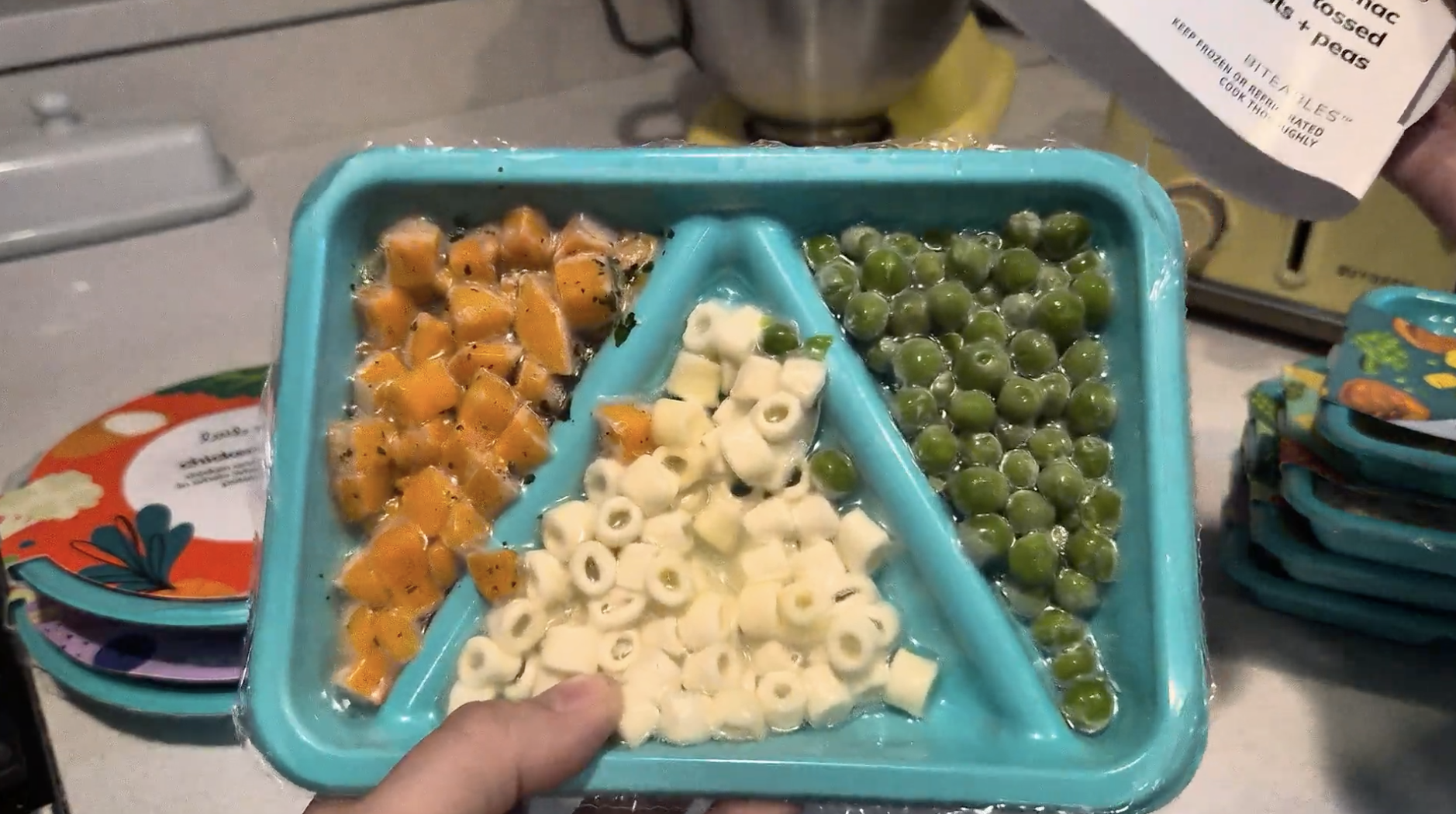
We started with Biteables when my daughter was transitioning into finger foods, and this was one of the most helpful parts of the service for me.
What Makes Biteables Different
The biggest benefit for me is that everything is:
- Pre-cut to safe sizes (huge win!)
- Designed for early self-feeding
- Structure as real meals, not just random snacks
This saved me a surprising amount of time and mental effort. Especially when I was just getting into the habit of realizing “Okay, I have to feed this tiny human multiple times a day now. Milk won’t cut it anymore.” I didn’t have to think about how to cut everything safely or build a balanced plate from scratch.
Before starting finger foods, I underestimated how stressful the transition would feel. Suddenly, I was Googling things like, “how small should strawberries be cut?” and staring at pieces of toast wondering if they were secretly choking hazards. Having meals already prepared in safe sizes removed a huge amount of that anxiety for me. Instead of focusing entirely on preparation, I could actually sit and pay attention to how my daughter was eating.
Favorite Meals
We tried pretty much all of the Biteables, but the ones that stood out the most (i.e. my daughter loves) were:
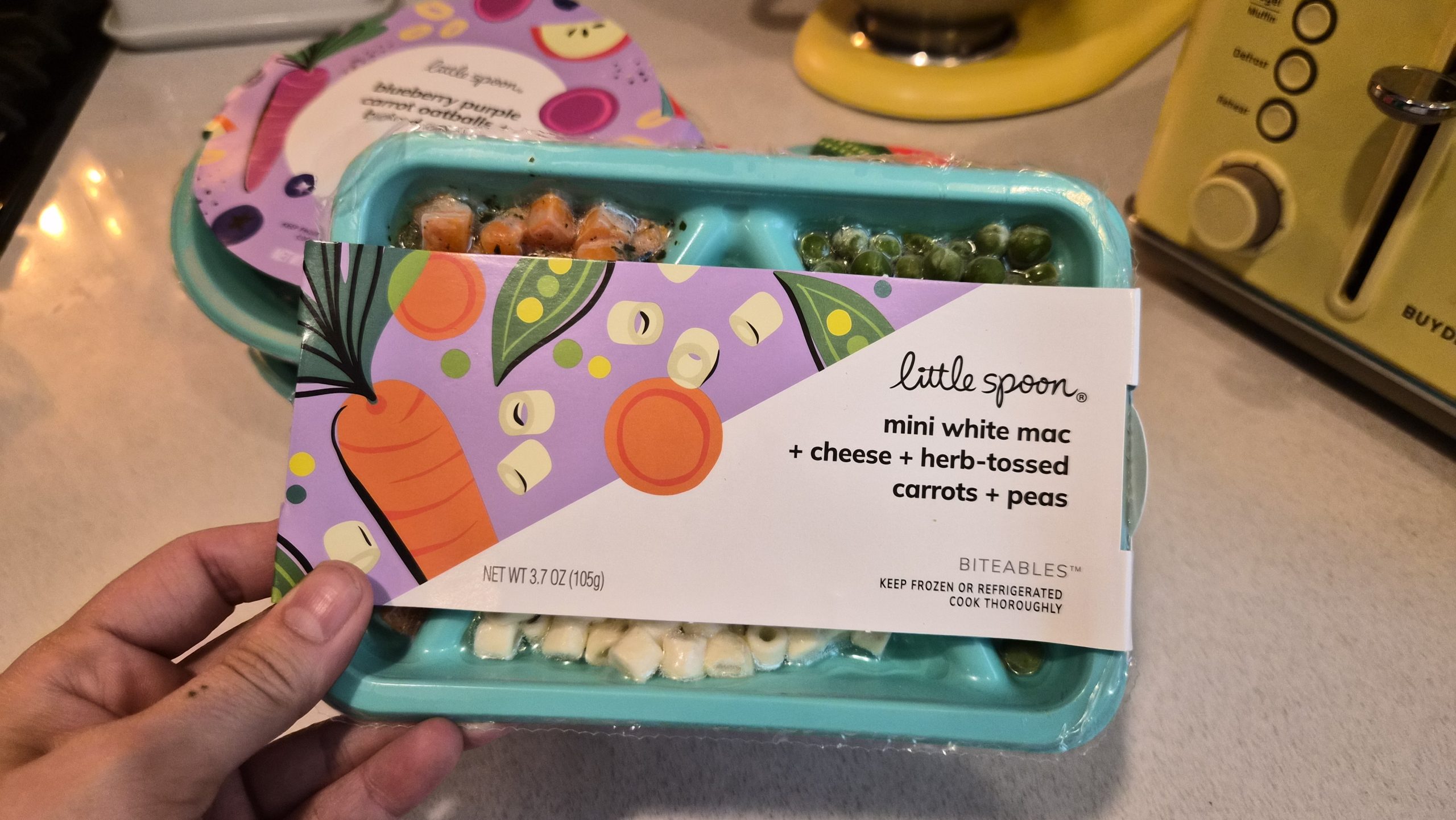
Mini Cheese Pasta (with hidden veggies in the sauce)
The Mini Cheese Pasta ended up being one of the biggest surprises for me because it looked like a meal I would realistically make at home. The pasta stayed soft without becoming mushy, and the sauce had hidden vegetables blended in without tasting overly “healthy” if that makes sense. I will say, I do think the pasta is a bit al dente, which I feel like they do on purpose so it doesn’t overcook when you reheat. But even after reheating, I did cook it a bit longer to soften it for my own peace of mind.
Butternut Squash Ravioli
This one became one of those meals I kept reordering because it consistently got eaten instead of abandoned after three bites, which is honestly high praise in the baby and toddler world.
Pesto Eggs
The pesto eggs were another standout because eggs are one of those foods my daughter randomly changes her opinion on every few weeks. Sometimes she loves them, sometimes she acts like they’re made of poison. These consistently worked. She also has a weird obsession with pesto, I’ve noticed. I even had to start adding extra pesto to these eggs!
These felt like actual meals I could feel good about serving my daughter, rather than just random filler foods.
Why Biteables Work
This stage of feeding is new, awkward, and dare I say, chaotic. Biteables made it feel more manageable by removing some of the guesswork. It also helped me figure out meals I could make myself for her when I ran out of plates, which I loved.
Plates: Toddler Meals That Feel Like Real Food
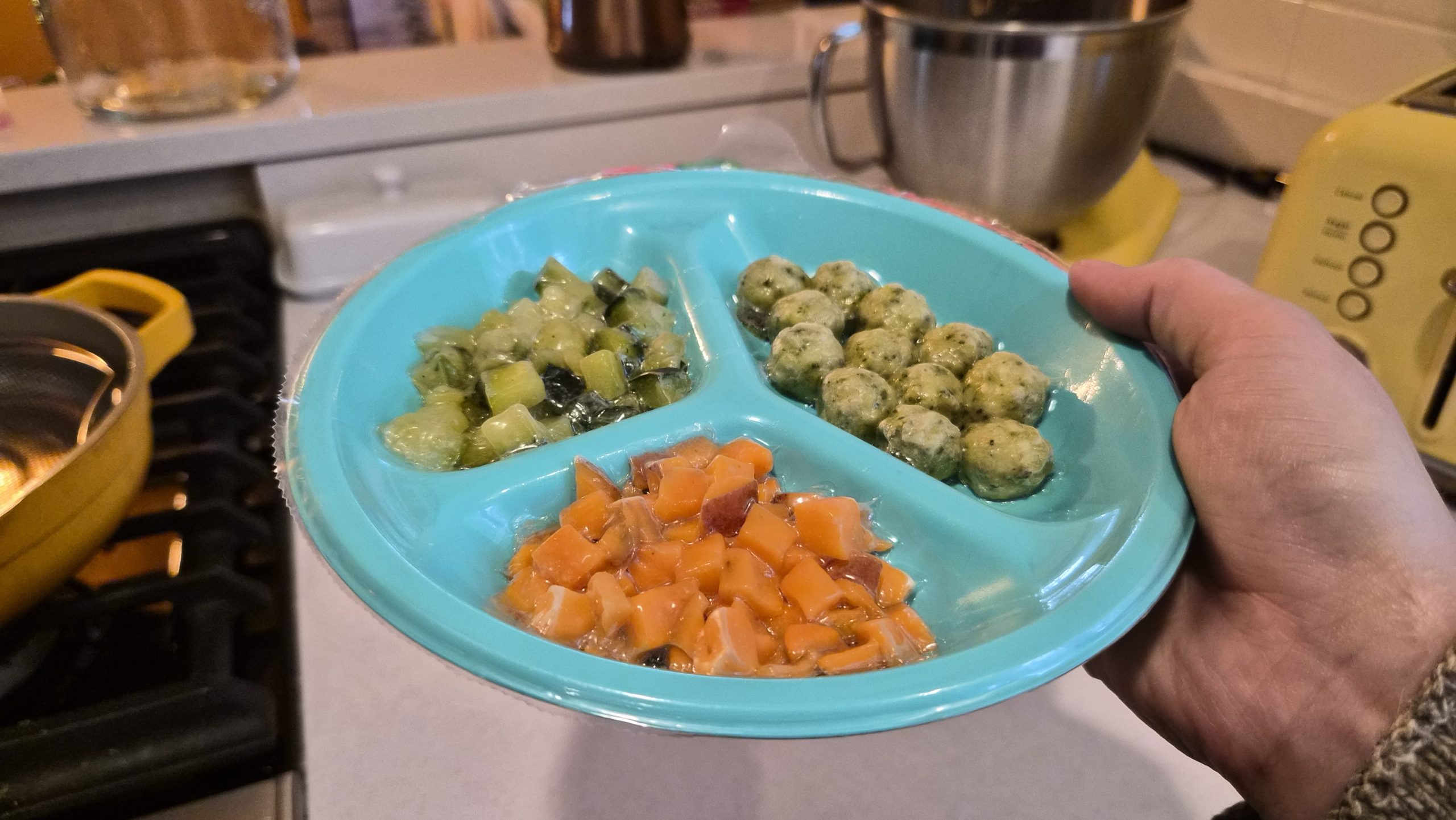
Now that we’re in the toddler stage, Plates are what we use most often.
Variety and Options
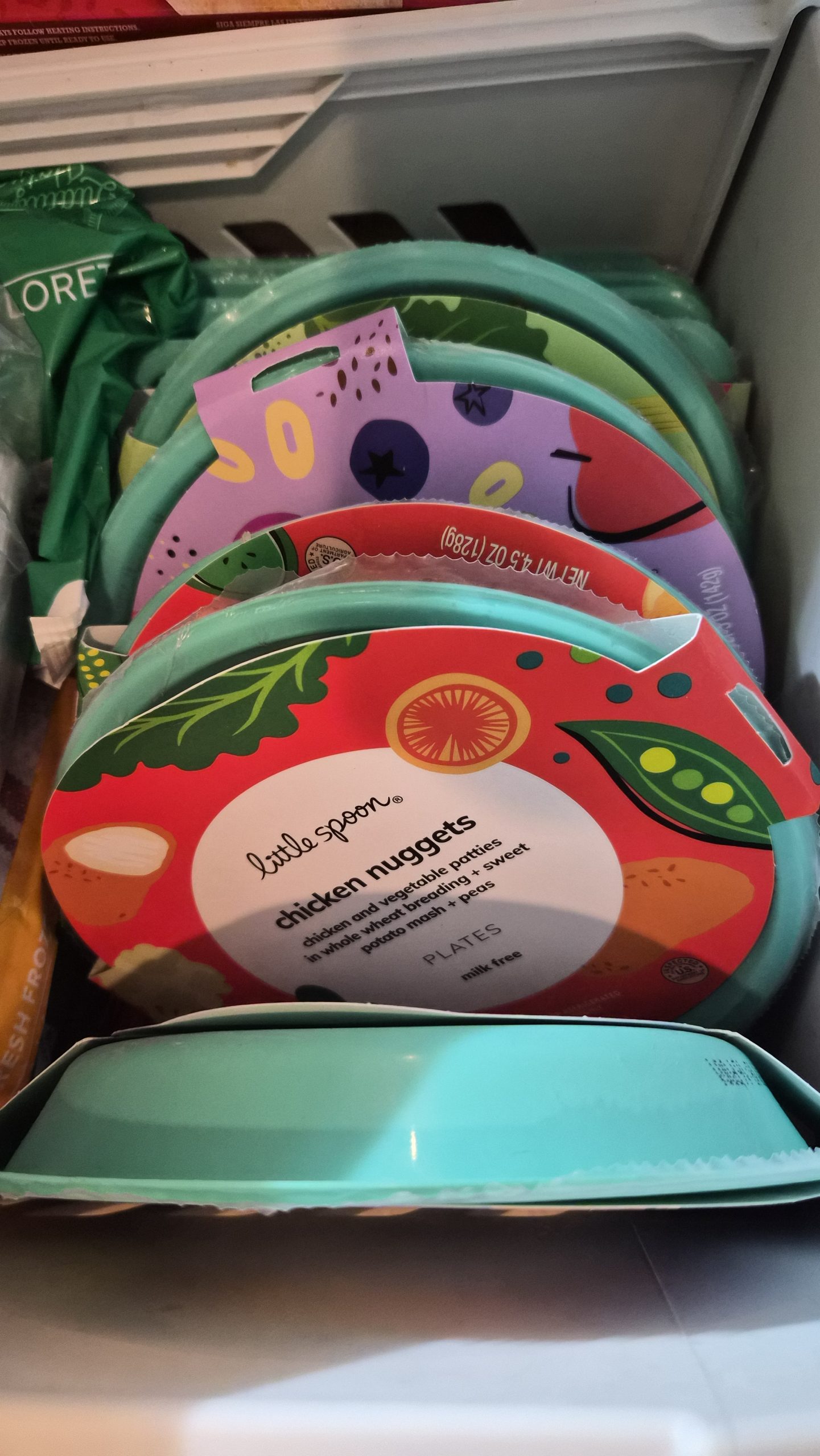
Little Spoon offers a solid range of meals, including some of my daughters current favorites:
- Mini Pancake Puffs
- Spinach and Cheese Ravioli
- Chicken Potstickers
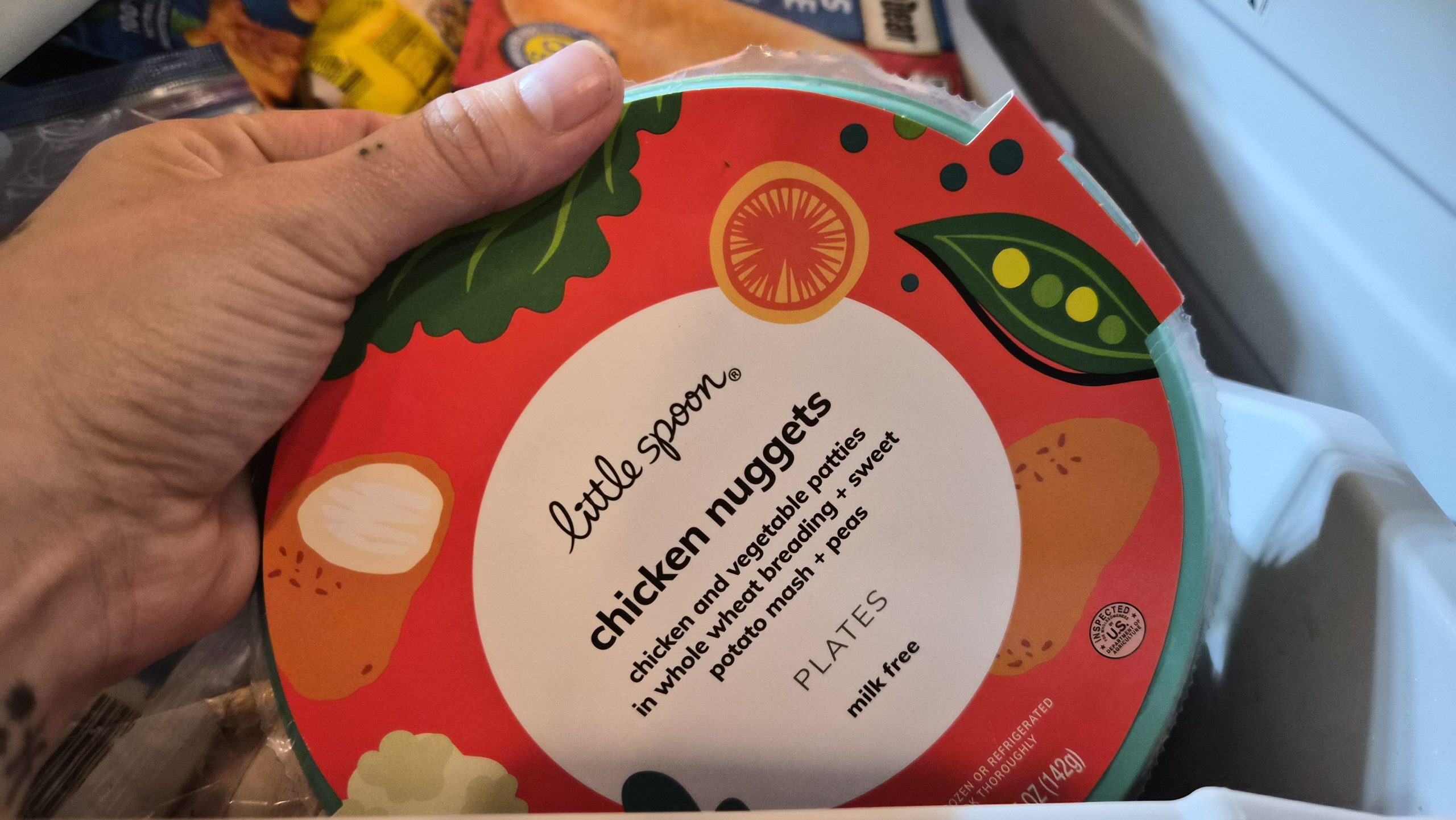
- Chicken Super Nuggets
These are recognizable, kid-friendly foods, but they still feel relatively balanced. Especially when they all always have some kind of veggie on the side (it’s a three-part plate).
One thing I appreciated is that the meals felt developmentally realistic. They weren’t trying to force toddlers into eating overly adventurous “adult” meals, but they also weren’t just beige freezer food either. It felt more like thoughtfully balanced toddler food made by someone who actually understands how kids eat in real life.
What I Like Most
The biggest benefit here for me is convenience without losing structure. I already feed my daughter meals that have three different things, usually a protein, a carb, and a fat. These mimic that structure perfectly. These aren’t just snacks. They’re full meals with a mix of ingredients, feel filling, and don’t require prep beyond reheating.
My daughter’s unexpected favorite? Diced zucchini. Truly, I wish Little Spoon would sell just massive bowls of their diced zucchini because my daughter is obsessed. Now she points at the zucchini compartment first every time which was not something I expected. I genuinely think repeated exposure through these meals helped normalize vegetables for her because they constantly appeared alongside foods she already liked.
Reheating Without a Microwave (Yes, It Works)
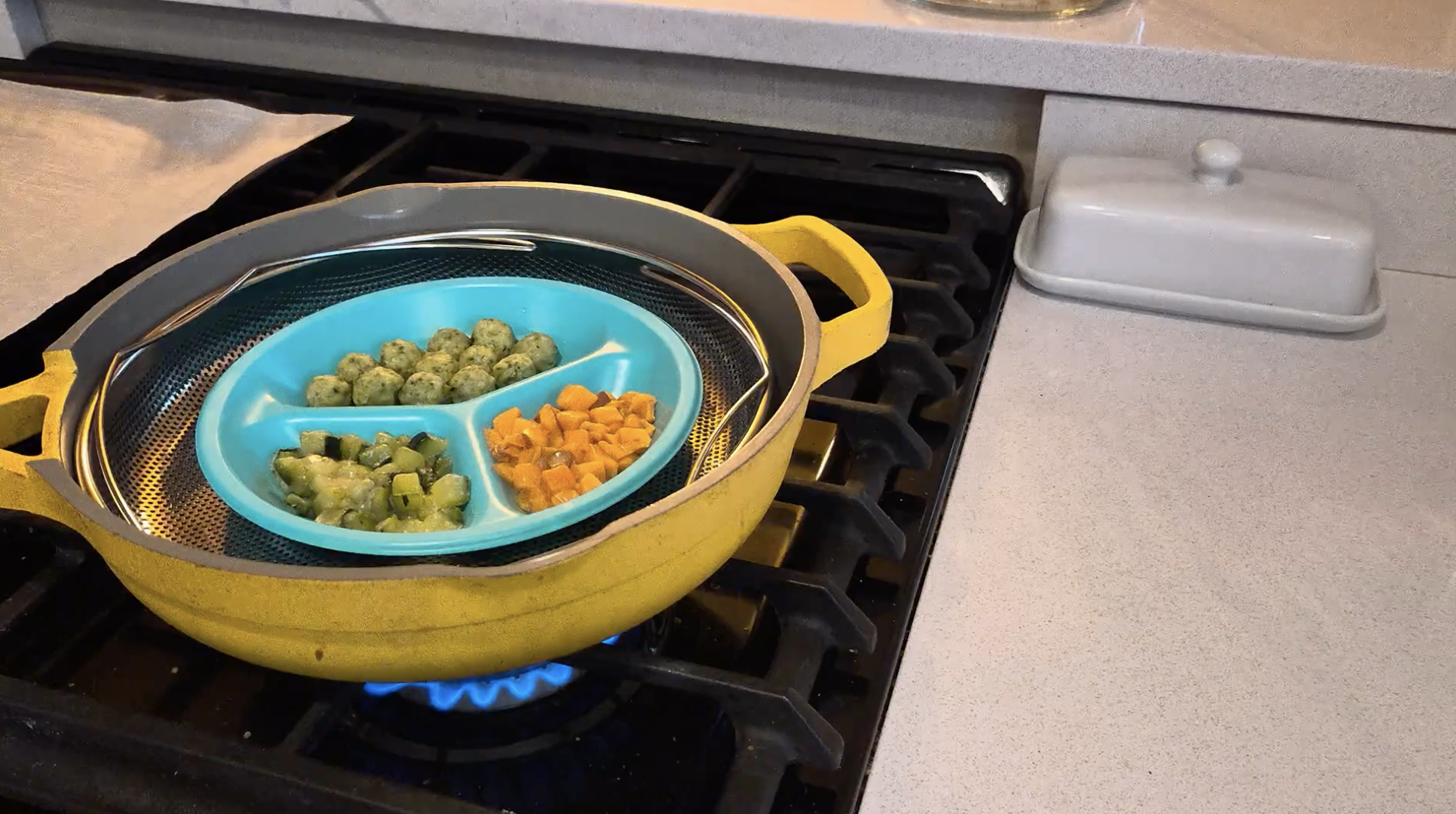
Okay, I do feel like this is a bit of an original experience. Little Spoon mostly recommends reheating meals in the microwave, but I actually don’t have one due to lack of space. I was even worried I wouldn’t be able to use this service because I didn’t own one.
I tried using the oven, which is another method I saw on a few plates, but I found it dried out the food significantly. So finally, I discovered I could steam the plates on the stove and it works perfectly.
The food heats evenly, retains moisture, and doesn’t dry out. If you don’t use a microwave, which I know I’m in the minority here, this is a simple workaround that still makes the service feel easy to use.
Ingredients and Transparency
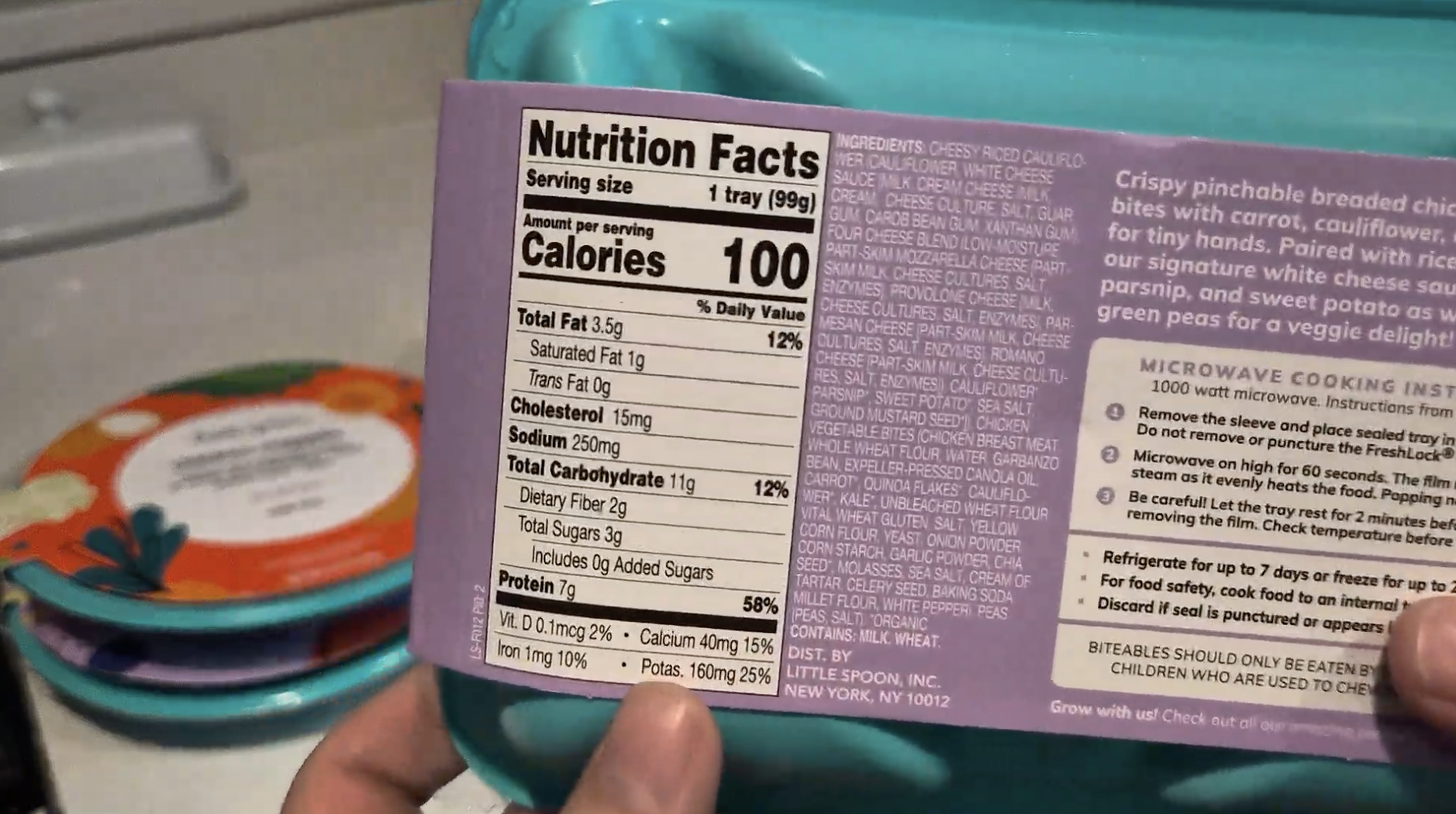
One of the main reasons I initially considered Little Spoon is the focus on ingredients. Across the product lines there is an emphasis on:
- Simple ingredient lists
- Recognizable foods
- Thoughtful combinations
It doesn’t feel overly complicated or heavily processed, which can sometimes be a concern with pre-made meals.
Variety
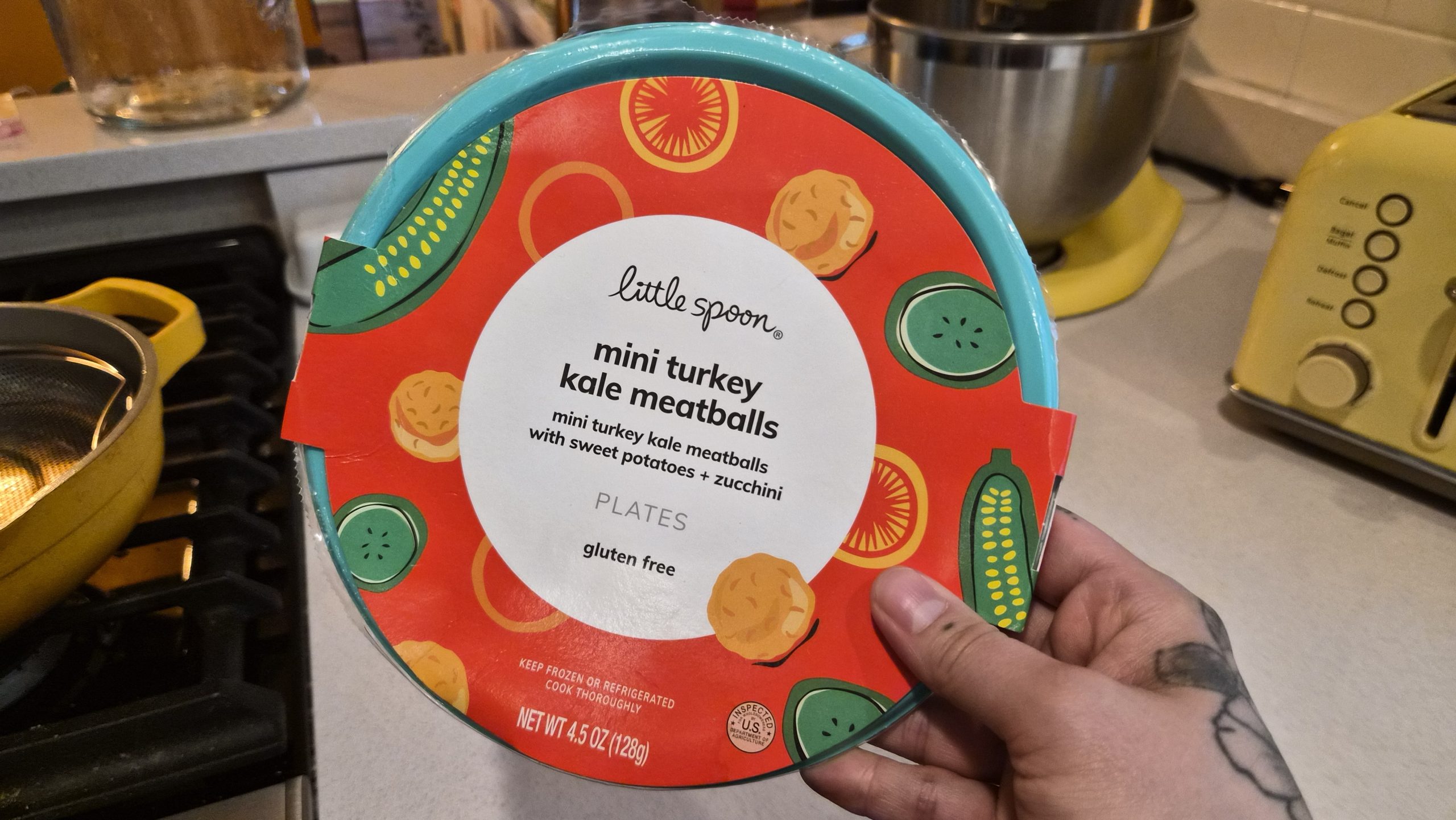
There is a decent amount of variety initially, but after a few months, I haven’t seen a lot of new meals added to the rotation.
This means you may start to repeat meals more often and your child might cycle through favorites quickly.
It hasn’t been a dealbreaker for me, and honestly most toddlers prefer the predictability of repeat meals, but it’s something I have definitely noticed. If my daughter doesn’t like several dishes, the selection starts to feel a bit limiting.
How it Compares to Making Food at Home
This is the question I kept coming back to before trying it. Is this actually better than just cooking yourself? Obviously I don’t get enough meals to replace every single one, but it does provide a decent amount of relief and time-saving during the week.
Making Food at Home
Pros:
- Full control over ingredients
- Potentially lower cost
- Unlimited customization
Cons:
- Time-consuming
- Requires planning
- Can feel overwhelming day-to-day
Little Spoon
Pros:
- Extremely convenient
- Consistent portioning
- Balanced meals without extra effort or guesswork
Cons:
- More expensive than cooking
- Less control over customization
For me, it’s not about replacing homemade food completely, but I do really love to cook. It’s about having a reliable option when I don’t have the time or energy to cook. I think social media sometimes creates this expectation that good parenting means lovingly preparing every single meal from scratch, but realistically, most parents are just trying to survive dinner time without handing their toddler crackers for the third meal in a row.
Little Spoon worked best for me when I stopped viewing it as a replacement for my homemade meals and started viewing it as support. Some days I cook. Some days we eat leftovers. Some days I pull a Little Spoon meal out of the fridge or freezer because I simply do not have the energy to cut, steam, and cool vegetables while my toddler is melting down at my feet.
How it Compares to Store-Bought Baby Food
Compared to grabbing something at the store, Little Spoon feels like a step up in a few ways. There’s more variety in meals, it’s more structured and has complete options, and there is the convenience of delivery. Especially when you have a toddler and grocery shopping can be chaotic and stressful.
Store-bought options are still great for flexibility, but Little Spoon feels more like a “set it and forget it” system.
Who Little Spoon is Best For
Based on my experience, Little Spoon works best for:
- Parents who want convenience without overthinking meals
- Families juggling busy schedules
- Babies transitioning through feeding stages
- Toddlers who benefit from structured, ready-to-eat meals
It’s also just a great option if you want something reliable to fall back on during busy weeks.
Who It Might Not Be For
It may not be the best fit if:
- You prefer cooking every meal from scratch
- You want full control over every ingredient
- You’re looking for the lowest-cost option
Is Little Spoon Worth It?
After three months of using Little Spoon, I don’t see it as a perfect solution, but I do see it as a very useful one.
The biggest strengths for me have been:
- Convenience
- Ingredient transparency
- Meal structure
- Ease of use
The biggest drawbacks:
- Packaging volume
- Limited rotation of new meals over time
What surprised me most is how much it reduced the daily stress of figuring out what to feed my child. I don’t use Little Spoon to replace every meal, but to have something dependable when I need it. Feeding young kids can feel relentless because it never really stops. There’s always another snack, another meal, another grocery trip, another attempt to introduce vegetables in a way your child won’t immediately regret. Having meals ready to go that I genuinely felt good about serving reduced a surprising amount of daily decision fatigue for me.