Whether you have one or four kids, chances are you’ve felt the same fatigue I have about their food: Do I really need to find a whole new brand of food to feed my kids now that they’re older? There are so many choices of brands that specialize in foods for certain stages, but not all cover multiple ages or milestones. I found it most difficult when moving from things like purées to more solid foods and feeling confused with what each brand’s “stages” represent.
Considering I’ve lived through this already, I’m sharing which brands are actually built to carry you through your child’s growing years and which get left in the past as they grow.
Table of Contents
What Does Every Stage Mean?

In order to cover every stage, we need to first define what the stages are—not in a numbered way (every brand has a different numbering system) but in a way that makes sense to the people actually buying and serving the foods. The stages of food can best be broken into “early purées,” “textured,” “self-feeding/snacks,” and “kids meals,” which not only encompass the variety of foods on the market but also make it possible to look at a product and decide which stage it fits into via appearance, packaging, or description. These food stages help parents quickly decide what products are best for their child and how they can fit into their feeding plan. Because kids grow and change so quickly, knowing what stages are next up can help determine when your child is ready for the next food milestone. When looking for a product that truly covers every stage, these are the categories that would align with that idea.
Why Multistage Brands Are Helpful
Maybe you’ve just had a baby or haven’t reached the stage where you need to change your kid’s food yet. This might leave you wondering why brands covering multiple food stages can be helpful. A few reasons are child preference, convenience, and brand research.
When my kids became toddlers, they started being a lot more aware of not just what I was feeding them but also how it looked, the bag it came in, and how it was served. Predictability has since become my key to success, so having a brand that can help you lean into that can save you many battles around mealtime. Convenience and knowing exactly what you’re going to get and where to get it can be huge in reducing the mental load on parents. This alone is valuable when your energy is being spent keeping a tiny person alive and thriving. Beyond convenience, once you’ve vetted a brand’s sourcing and testing practices, staying with them means you’re not redoing that research from scratch every few months.
What Brands Are Offering
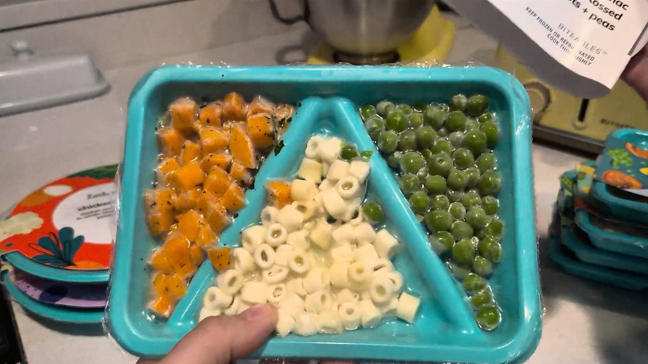
There are a good number of brands available that try and focus on feeding by milestone/development stage. Some brands like Serenity Kids intentionally focus on one stage rather than spanning all of them to try and become a trusted source of food for that specific age/stage of eaters. Other brands like Once Upon a Farm and Little Spoon are more growth-oriented when it comes to their food offerings. This is important because as your baby grows and quickly moves up to more solid foods, some brands stick around in your pantry while others have stopped offering foods for your older kids. Little Spoon and Once Upon a Farm are two brands that offer foods that are more like “meals” for your kids. Instead of focusing only on purées or finger foods, they both offer options for kids from 6 months through 2+ years of age. Little Spoon even takes it a step further by offering formula for infants and buildable meals for school-aged kids.
Little Spoon’s Stage Coverage
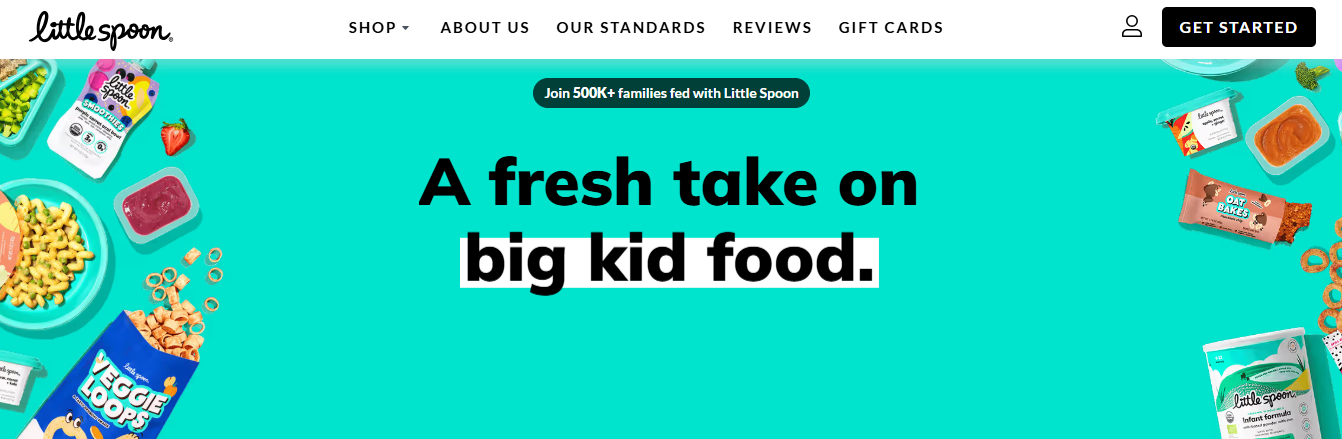
Like I just mentioned, Little Spoon is a great option if you’re looking for a brand that offers foods for your school-aged kids alongside food for your toddler or infant. Not only do they offer foods for a wide range of eaters, but they are also constantly adapting their product line. For example, they recently started offering multivitamins for 2- and 3-year-olds. This takes the brand from just food and shifts it to a more whole-body approach when it comes to nutrition.
I’ll admit they do have a lot of products, but that’s to be expected when you’re providing feeding options for kids over about a decade of their life. A plus side is that these food offerings don’t need to stop at school age. I’m guilty of eating my kids’ leftovers, and I’m often surprised how much my older kid still likes to eat my youngest’s pouches from time to time.
| Product | Age Range |
| Infant Formula | 0–12 Months |
| Baby Cereal | 6+ Months |
| Organic Purées/Babyblends/Pouches | 6+ Months |
| Baby Toddler Snacks | 6+ Months |
| Biteables | 9+ Months |
| Plates | 2–7 Years |
| Lunchers | 3+ Years |
Little Spoon offers a subscription-based model, which can make sticking to one brand for many years a pretty easy lift. You can easily adjust what you want to order as your baby grows, and a reliable subscription can help keep your kitchen stocked so you aren’t worried about running out of anything. Parents already have enough things to remember, and a subscription can make those busy days feel less hectic knowing you always have something to reach for. If you frequent Target, you can also buy a good majority of their foods in-store.
Once Upon a Farm’s Stage Coverage
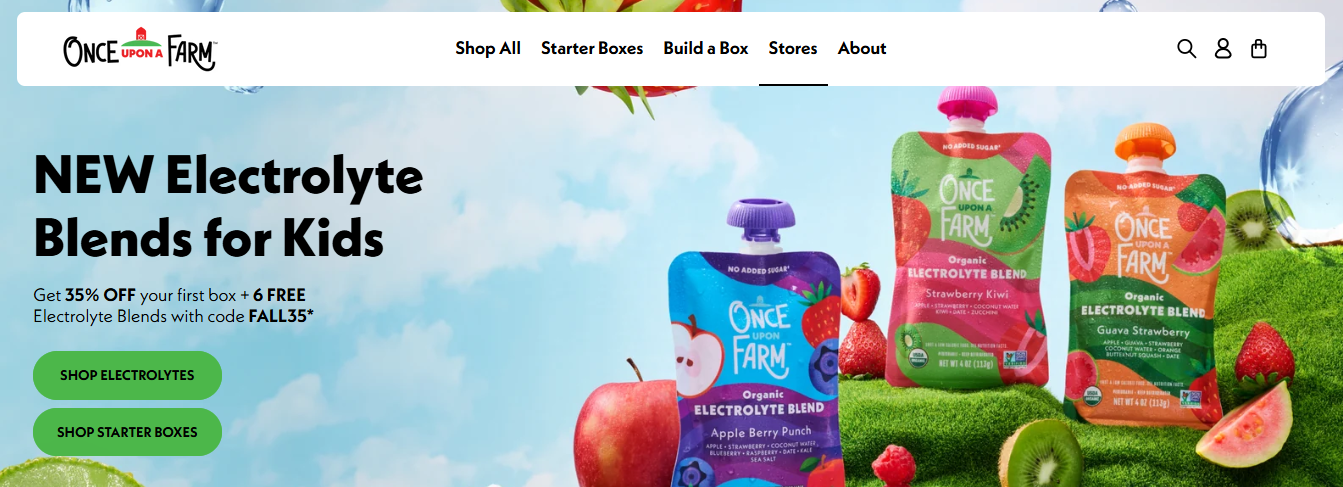
Once Upon a Farm is a good option for parents looking for a company that is completely organic, not just certain ingredients. They offer a range of foods starting with pouches and ending at thicker Oat Bars. Their products are mostly broken down by “baby,” “toddler,” and “kid,” so parents need to use their discretion to decide whether a product is right for their child’s eating level. Let’s break down Once Upon a Farm’s products by age range so you can see how they line up with what your kids are currently eating.
| Product | Age Range |
| Baby Food Blends Pouches/Veggie Meals | 6+ Months |
| Pasta Meals | 12+ Months |
| Melts/Puffs | Toddler |
| Soft Bake Bars | Toddler |
| Oat Bars | Kid |
When it comes to purchasing, Once Upon a Farm offers a subscription model as well as one-time purchase options online. They can also be found in most major retailers, so if you want to just test out one or two things, you’re likely able to run to the store and do it the same day. Multi-store availability can also be great for those who might live in a more rural area and have less store options available but still want to offer their kids certain brands or types of foods.
How to Evaluate Continuity for Your Own Family
Confirming that something might be right for your kids is important to consider before diving headfirst into something new. Remember, you know your kids best, and listening to your gut is how we get to know our kids and ourselves as parents. Product availability and flexibility as kids grow is great to consider when making decisions about how you might feed your children over the years. Is a brand you’re interested in offered only online, or can you also run out in the middle of the night and stock up when in a pinch? Limited availability options could be a dealbreaker if your family is one that needs to be able to pick up extra snacks on a random Wednesday.
Your kids’ ages can also be valuable to consider when deciding what products to buy for your family. If you have only older kids, then brands who mainly offer products for small toddlers may not be your most effective choice. There are products for younger kids that can translate to older kids like pouches, snack bars, and some smaller meals, but an 8-year-old probably doesn’t want to bring a small-serving purée in their lunch box. As kids grow, they need a larger variety of foods and nutrients that they can’t get from pouches or bars alone.
And finally, when deciding which direction to go in, you should consider not only flexibility in the brand but also flexibility in your child. It’s not a guarantee that kids will like everything you put in front of them, especially if your kids are already at a picky stage of eating. If you’re wanting to switch to a more growth-oriented brand, you might consider whether your child will be hooked on only eating that single brand moving forward or if they can confidently mix in homemade foods or other brands into their routine. Families with multiple children might see brands with larger ranges of food offerings as a better choice because they can feed an infant and their kindergartener with the same brand easily.
Ending the Research
Brand consistency surrounding feeding can be a great approach for parents who are tired of re-researching every time their kid hits a new food milestone. Information overload is real and can be a sore spot for parents when they’re already busy, tired, and spending time researching all of the other important milestones their kids are hitting. Brands that cover every stage are not the only solution for growing kids, but they offer a sense of security and familiarity that both kids and parents can appreciate.