
If you’re shopping for baby formula, you are probably seeing more buzzwords now than ever before: “grass-fed,” “non-GMO,” “European-style,” and so much more. As if caring for a new baby wasn’t hard enough, you’re now having to navigate feeding your children while cosplaying a scientist.
I can vividly remember standing in the formula aisle, running on four hours of sleep and Googling, “What does grass-fed actually mean in formula?” like I was going to get a quick and easy answer. Twenty minutes later, I was reading about omega-6 ratios and vitamins like I was back in my college science class.
It can be stressful and confusing to try and decide which of these new buzzwords is important to you or not. In this guide, I’m going to focus specifically on the term “grass-fed” and what it means in relation to baby formula.
Table of Contents
Defining “Grass-Fed”
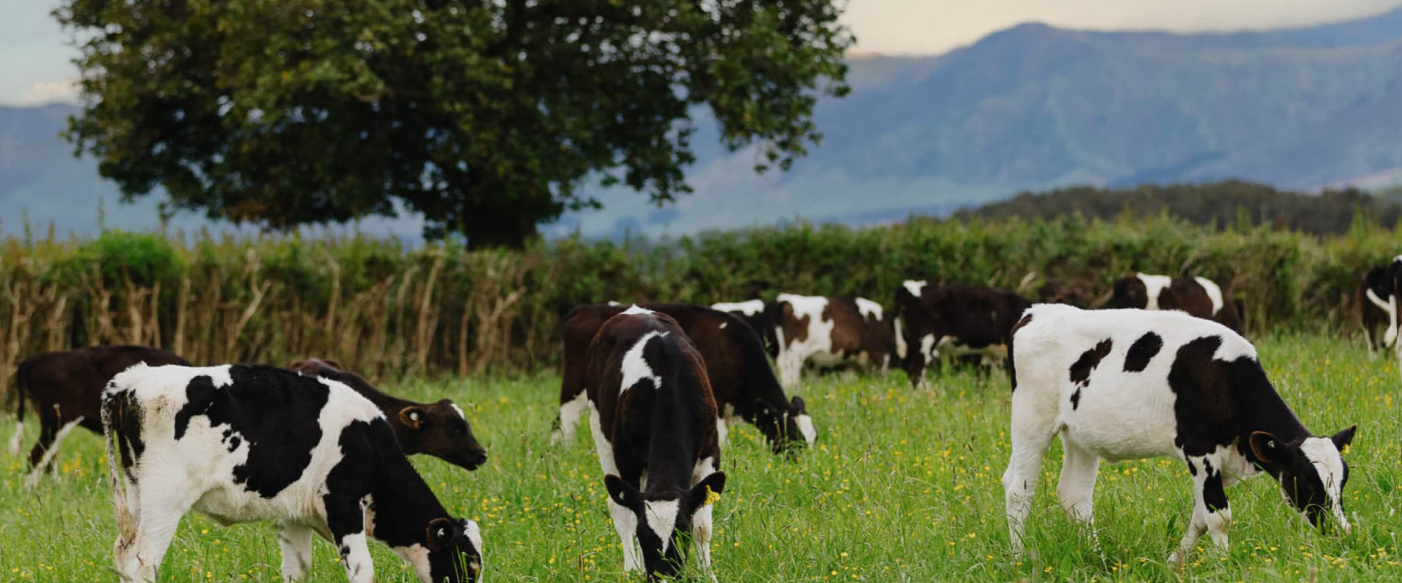
“Grass-fed” may seem like an easy term to dissect, but there are actually some nuanced requirements to boast this term. At its core, “grass-fed” refers to how the cows are fed, not how the formula itself is made. Even though you see this term everywhere, it’s not always regulated identically across countries or certifying organizations. This can make it even more confusing to know if one grass-fed product has the same quality and nutritional makeup as another.
What grass-fed is not, is cows that are only fed grass and forage all 365 days of the year. Typically, grass-fed cows eat primarily grasses and forage for their daily diet, but they still may be fed some hay during the winter when grasses are more scarce in certain locations. Additionally, they may still receive some kind of supplemental feed, depending on regulation requirements and farming practices. These limitations are important because it’s a big reason why you see some grass-fed formulas coming from cows in other countries. While we have the ability to make grass-fed products in the US, there are other locations around the world that potentially have a better climate for allowing cows to graze on grass the majority of the year, requiring less supplemental feed. This can be beneficial not only for a cow’s diet but also for farming costs as well. Cows can happily graze on grass more frequently instead of farmers having to outsource their feed as often.
Another common mixup is that “organic” and “grass-fed” are the same. The label “organic” has to do with how the crops that animals eat are treated with regard to pesticide sprays and other growth methods, not the actual crop the animal is consuming. A formula can be both organic and grass-fed at once, along with other certifications like non-GMO or Kosher, but the two labels are not synonymous, and they answer different questions.
What Is Currently Available on the Market?
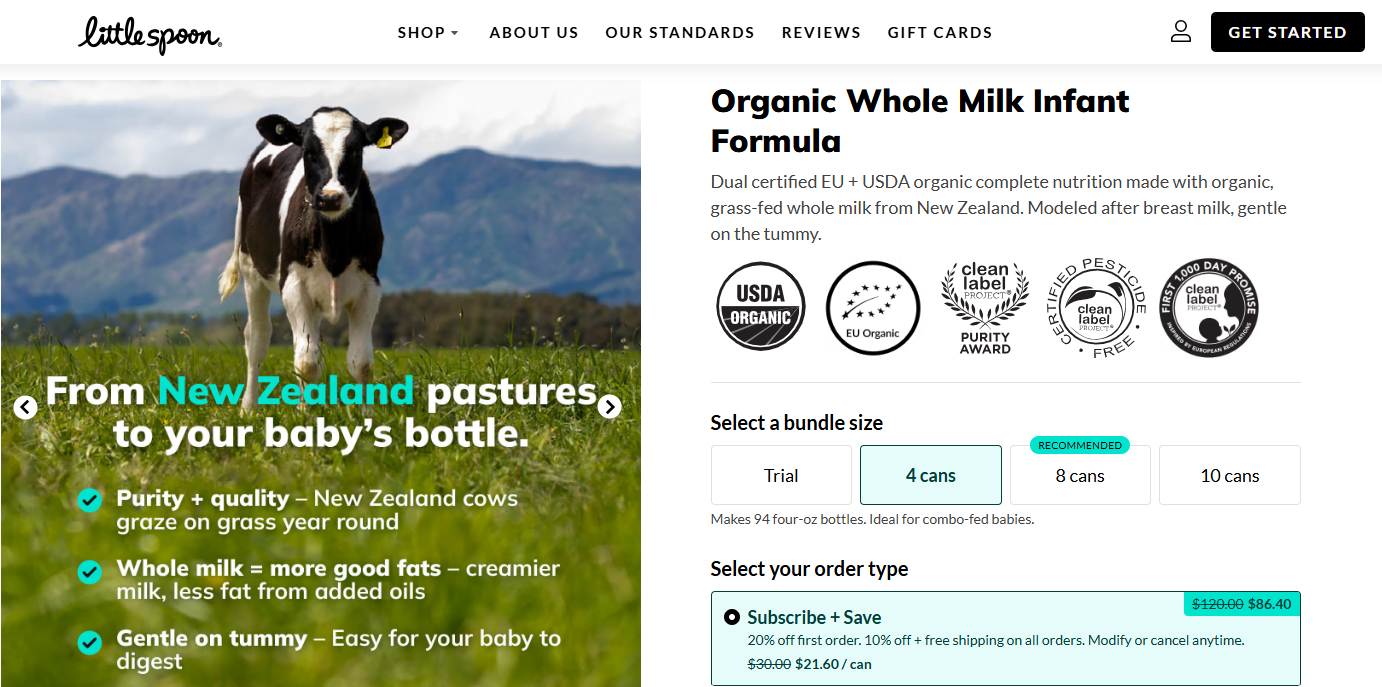
There are a lot of formulas out there, and the grass-fed niche is getting bigger and bigger. It’s being filled with brands that people know and trust along with newer ones hoping to break into the space with their unique science-backed products. If you already have experience shopping for formula, you’re probably familiar with names like Little Spoon, Bobbie, and Kendamil. It’s worth digging a little deeper into each brand when you shop because each of them offer slightly different sourcing procedures, mission statements, and nutritional make-ups.
Little Spoon, for example, positions grass-fed milk as a core part of its sourcing philosophy. They source organic, grass-fed whole milk from cows grazing 350+ days a year in New Zealand (which is well above the USDA organic minimum). What sets their approach apart isn’t just the grass-fed sourcing itself but what they do around it. Transparency is one of the biggest pillars for the company, which they support publicly by publishing batch-level testing results, so you can look up your specific can’s test data rather than taking a general safety claim at face value. Their formula is tested across six categories: heavy metals, pathogens, toxin-producing bacteria, hygiene indicators, pesticides, and plasticizers.
Other premium grass-fed brands vary in what they include beyond the milk sourcing itself. Some skip certain nucleotides or prebiotics, and some don’t publicize testing data the same way. Like I said earlier, it’s worth checking what each brand actually discloses—not just whether “grass-fed” appears on the label.
You’ll still see your traditional formula brands like Enfamil, Similac, and others, but a lot of them stick to their traditional methods and haven’t broken into the more niche-specific markets yet. It can take a lot of work to break into a new market, especially when you have traditionally sold a specific product, which is why some brands still stick to traditional formulas instead of switching to grass-fed options.
The Nutritional Difference
Surprisingly, a cow’s diet actually influences the composition of its milk. Fat quality is a big lever that’s adjusted when a cow moves from a grain diet to a grass-fed diet. Grass-fed milk contains more omega-3s, fewer omega-6s, and higher amounts of conjugated linoleic acid (CLA). This doesn’t mean that grass-fed formulas have a drastically different nutritional profile or are any safer than traditional formulas. You may simply see it as milk with an extra boost of key nutrients that may or may not impact your baby’s growth and development. Let’s take a look at why these fatty acids are important in a baby’s diet in the first place:
Omega-3s: fatty acids that play an important role in normal brain and eye development during infancy
Omega-6s: fatty acids that help lower harmful cholesterol and protects your heart
CLA: heart-healthy fatty acid that has been studied for potential immune and metabolic benefits
It’s probably clear why you would want higher amounts of omega-3s and CLA in your baby’s diet, but you may be wondering why you would want fewer omega-6s. The ratio of omega-3s to omega-6s in your diet has shown in studies to be very important. Western diets tend to have a higher omega-6 profile, which can lead some people to feel increases in body inflammation. It’s ideal to have a more even approach to omega consumption, and grass-fed milk has been shown to have more of a 1:1 ratio of omega-3s vs. omega-6s.
Besides fatty-acid profile, there are other vitamins that are affected when cows eat a grass-fed diet. Beta-carotene, vitamin E, and vitamin K2 are just some of the vitamins that can have increased levels in the milk of cows that feed on grass. All of these play a key role in your baby’s development and are also present in breast milk, making their ability to be in baby formula a non-negotiable for some. If you’re wondering why these vitamins are so important, here’s a quick overview:
Beta-carotene: helps aid the natural production of vitamin A, eye and vision development, and gut health and immunity
Vitamin E: supports rapid brain and nerve growth along with immune defense
Vitamin K2: plays a major role in directing calcium to your bones
It’s important to note that the differences in all of these nutrients is not major. You will not be robbing your baby of all of their vitamin E sources if you don’t feed grass-fed milk/formula. Your choice should be based on what you feel is valuable when it comes to feeding your infant.
In Conclusion

“Grass-fed” is a real farming practice that can influence the nutritional profile of the milk going into your baby’s formula. However, you need to look at the bigger picture when choosing formulas. Is the company transparent about where its milk comes from and what “grass-fed” means in its sourcing practices? Does the formula meet all FDA nutritional requirements for infant formula? Is it made by a manufacturer who clearly explains its ingredients and quality standards? Infant formula is heavily regulated by the FDA and USDA to make sure that anything sold on the shelves meets strict nutrition guidelines, which should help you feel less guilty if choosing a non–grass-fed formula is more appropriate for your family or financial situation. If it aligns with your family priorities, it can be a meaningful factor in how you choose to feed your baby.