
Open social media nowadays, and someone is adding protein to their coffee, sneaking cottage cheese into something unexpected, or explaining how to get 30 grams of protein before breakfast. Protein is definitely having a moment. And if you’re feeding a toddler, it’s easy to wonder if you should be paying closer attention to what is on their plate, too.
Especially when the chicken is left untouched, but the pasta has been demolished.
As a mom of two, I care about what my kids eat. But caring doesn’t magically create another hour in my day to spend in the kitchen cooking. Between feeding a family of four, cleaning up, and getting through the evening, I want meal ideas that make sense for all of us, with ingredients I can use more than once.
Of course, that doesn’t mean we always eat the same dinner. Some nights, my husband and I feel like a big salad and call it a night. My kids however, aren’t bunnies. They’re growing, and they need a meal that works for them, too. That’s when having a few ready-made meals on hand saves me from starting a whole second dinner.
Protein matters for kids, just as much as it does for adults. But high-protein toddler meals don’t have to look like mini fitness plates. Eggs, Greek yogurt, beans, fish, and tender meat can all fit into foods they already love. There’s always room for homemade food, leftovers, and ready meals, depending on what kind of day you are having.
Table of Contents
How Much Protein Does a Toddler Need?
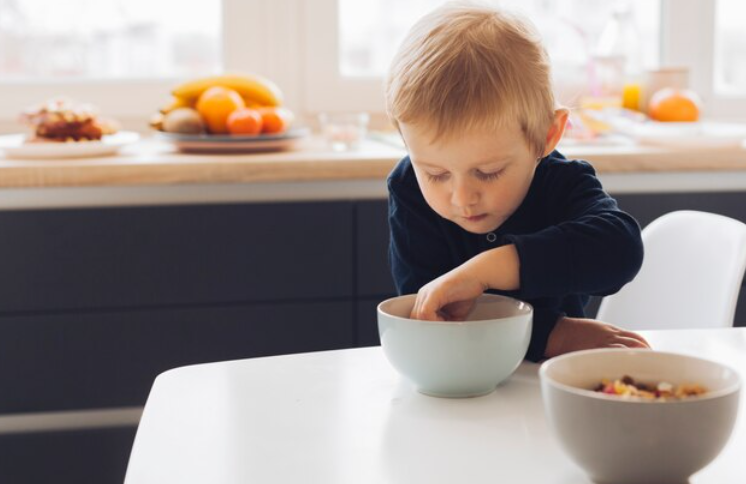
The first question that comes to mind: Is there a certain amount of protein that a toddler needs?
Of course, just like every other child milestone, it’s age specific. From 1–3 years old, the recommendation is 13 grams of protein per day. For children ages 4–8, it increases to 19 grams. Keep in mind, these are daily totals, not targets for every meal. Every child’s needs can differ, so check with your pediatrician if you have concerns about growth or intake.
I’ll refresh your memory with protein 101: It supports growth and helps little bodies build and repair tissues. It matters, but so do carbs, fats, iron, and other nutrients children get from eating a balanced meal.
Seeing it broken down makes it feel way more doable. Half an egg provides approximately 3 grams, half a cup of milk is about 4 grams, and a small portion of chicken is around 7 grams.
But remember, we’re not trying to max out grams. For toddlers, it just means blending good, nourishing protein sources into what they’re already eating. Kids eating a varied diet don’t need protein powders in shakes.
Easy Protein Sources for Toddler Meals
Don’t stress over the exact numbers; they are just rough estimates. Exact protein amount can surprisingly depend on the brand and how the meal is cooked. Yes, believe it or not, meats and fish can vary in protein amounts. That’s because cooking evaporates moisture and renders out some fat, which shrinks the meat and concentrates the protein into a smaller weight.
| Protein Source | Portion Example | Approximate Amount |
| Cooked egg | ½ large | 3 g |
| Plain Greek yogurt | ¼ cup | 5–7 g |
| Cottage cheese | ¼ cup | 6–7 g |
| Milk (cow’s) | ¼ cup | 4 g |
| Cooked chicken/turkey | 1 oz | 7–9 g |
| Cooked salmon | 1 oz | 6–7 g |
| Cooked beans/lentils | ¼ cup | 3–5 g |
| Tofu | ¼ cup | 4–7 g |
| Peanut butter | 1 tbsp | 3–4 g |
The protein amounts are rounded off from a nutritional report by the U.S. Department of Health and Human Services and the U.S. Department of Agriculture. Make sure to check packaged foods for their specific amounts. It’s important to use foods that your child can tolerate and chew. For example, whole beans, thick nut butter, and large pieces of meat need to be cut and served properly before serving.
High-Protein Toddler Meal Breakdown
Now that you have an idea of the protein numbers, the next step is figuring out what to make—usually where the real dilemma starts. Here’s a list of simple meal ideas broken down by time of day to make meal planning and cooking a little bit easier:
High-Protein Toddler Breakfast Meals
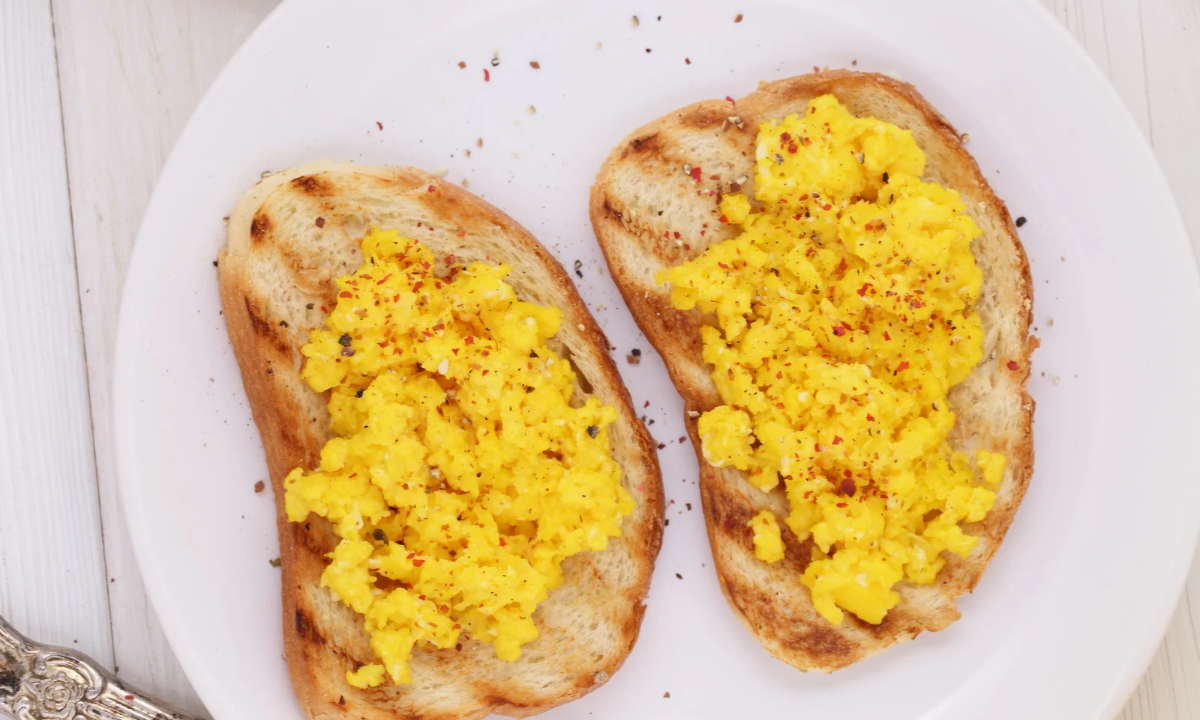
Scrambled Eggs, Toast, and Fruit
Eggs are an easy and useful breakfast protein source because they can stay simple. Cook them until fully soft, with some milk (sneaking in a tad of protein), and serve with toast and fruit. You can also add some smooth peanut butter to the toast.
For a change, you can also try an omelet cut into age-appropriate pieces. That way, the ingredients stay familiar, but the presentation changes. When your toddler is ready to experiment with combined flavors, you can add cooked spinach or shredded cheese.
Greek Yogurt with Oats and Berries
This is a staple because it requires no effort. Plain Greek yogurt brings the protein to a breakfast with zero cooking, which is a huge win when my kids wake up on the wrong side of the bed. Just add some oats and berries, and tada! It’s ready.
I also like that Greek yogurt is practical. It can work as an afternoon snack as well or be made into a savory dip for dinner.
Toast with Peanut Butter and Banana
Spread a smooth, thin layer of peanut butter over toast, and later with mashed banana or cut into pieces your toddler can eat easily. If peanuts are off the table, you can substitute with seed butter. The thin layer matters because a thick spoonful of nut butter is a choking hazard.
High-Protein Toddler Lunch Meals
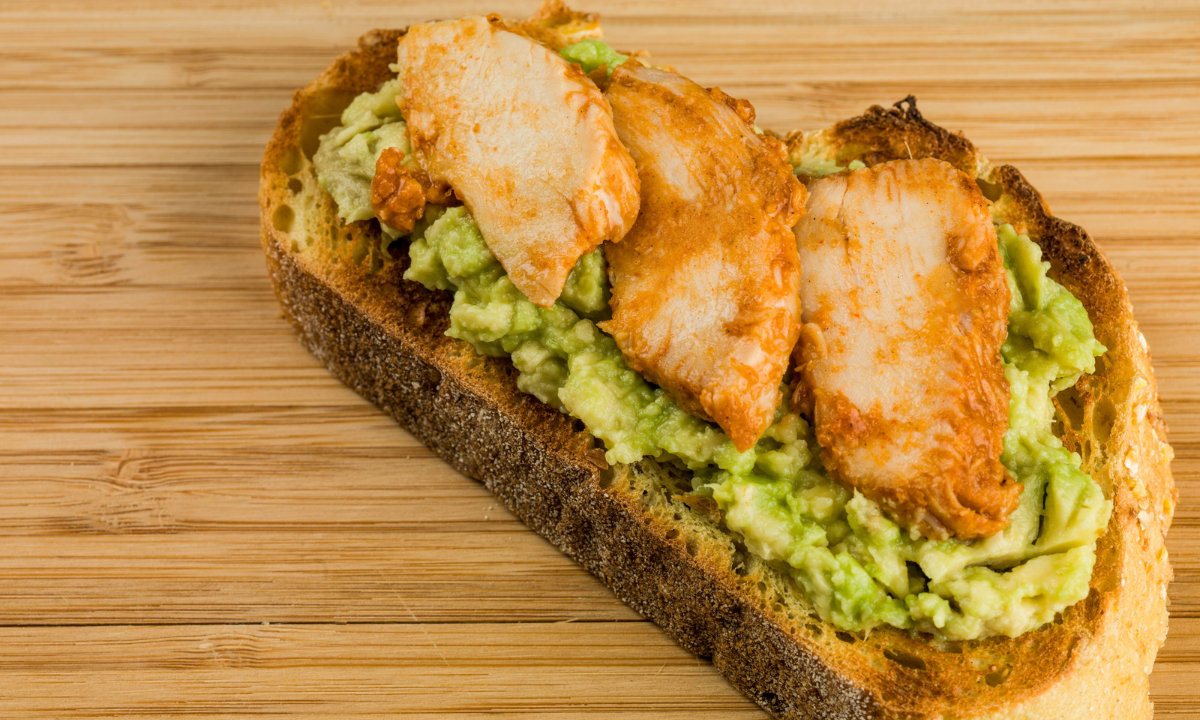
Shredded Chicken and Avocado Toast
Mash avocado, and then spread it onto toast. Take some well-cooked chicken, shred it finely, then mix it with Greek yogurt to keep it moist. The chicken can be layered on top of the avocado or served on the side beside bread if your toddler prefers to eat foods separately. Easy, simple and done.
Leftover protein from dinner is also a lifesaver for lunch meals. Set aside a little chicken from the night before, and lunch is pretty much ready to go.
Mashed Bean and Cheese Quesadilla
Spread mashed beans over a tortilla, add grated cheese, and fry on a pan (panini press or air fryer works, too) until the cheese melts. Keep the tortilla soft enough to manage, then cut into manageable pieces.
Beans are a healthy source of protein and fiber, and kids love cheese. If everything built together gets rejected, serve the ingredients separately. You would be surprised, but some toddlers care to inspect their food before they eat it.
Egg and Sweet Potato
Mash a fully cooked egg with a side of plain yogurt and roasted sweet potato. The sweet potato can come from the previous night’s dinner, making it a very convenient lunch with minimal effort required.
For toddlers who don’t like mashed textures, you can offer a chopped egg or an omelet. There’s no need for every toddler meal to have a new recipe; sometimes having a few ingredients is enough.
High-Protein Toddler Dinner Meals
Turkey Meatballs with Pasta
Mix ground turkey with an egg, breadcrumbs, and grated zucchini to form meatballs. Serve the meatballs with soft pasta and tomato sauce on the side. I like to cut meatballs in quarters instead of offering them as a whole.
Softer meat is so much easier for a toddler to manage than a dry piece of meat. Sauce makes the meal moist, so make sure to make some extra while you’re cooking, so you have a head start for another meal. Homemade tomato sauce lasts in the fridge up to four days, making it super easy to reheat later in the week.
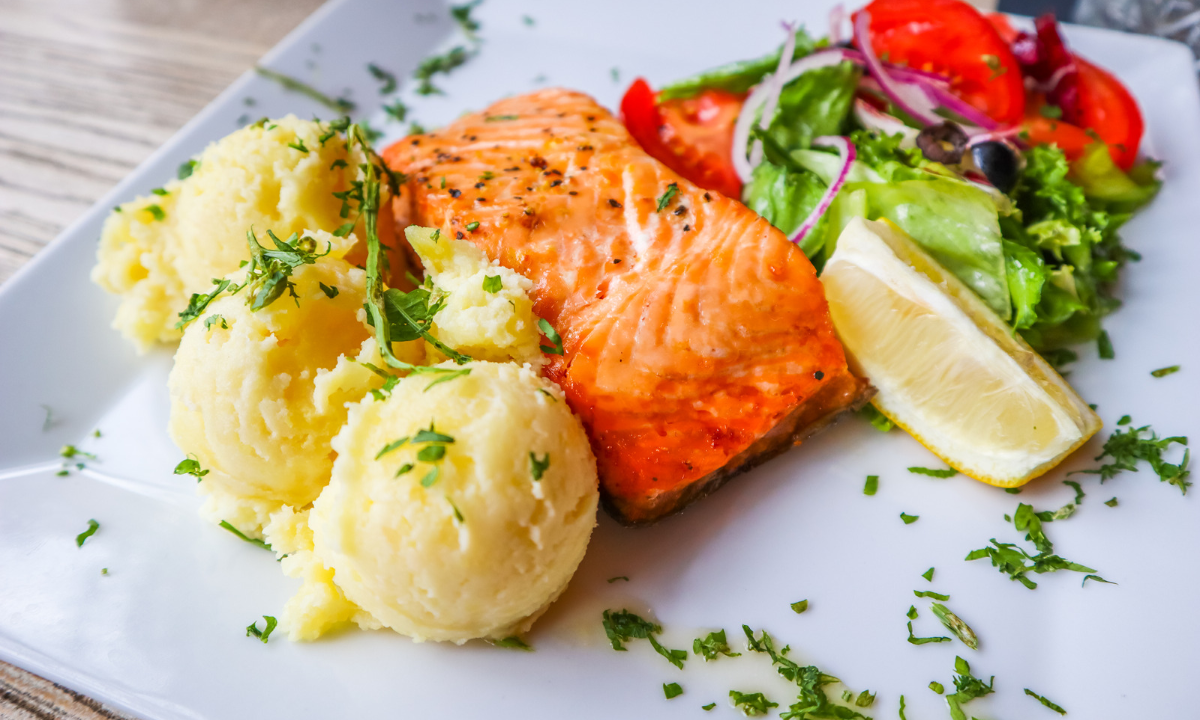
Salmon with Mashed Potatoes and Veggies
Bake the salmon, check it carefully for bones, and flake it into small pieces. Serve it with mashed potatoes and well-cooked veggies like broccoli.
Start with a small portion of fish, as a large piece of unfamiliar food can feel like a lot for a toddler. Salmon gives you a protein option that works for adults at the table, too.
Lentil Tomato Pasta
Lentils should be cooked until they’re really soft, then mix them into the tomato sauce. Serve it over pasta, and add a little grated cheese, such as parmesan.
It’s an easy, meatless high-protein dinner that’s built around something kids recognize (let’s be honest, all kids love pasta). The lentils kinda disappear into the sauce, so it’s easy to introduce a new food without any toddler drama.
Ready-Made Toddler Protein Meals
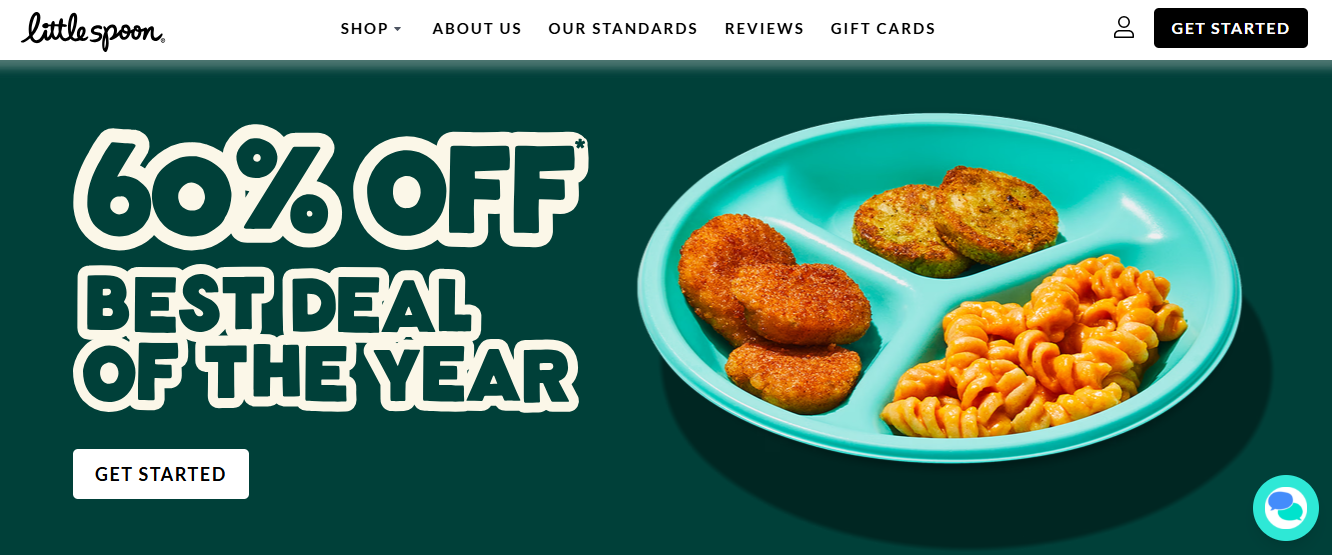
When I became a mom the first time around, I wanted to make everything from scratch. But once baby #2 arrived, I needed to have options that required fewer decisions. Having kids hasn’t lowered my interest in cooking, but there are evenings when I have no energy to cook—and that’s the reality of it.
I discovered Little Spoon’s Plates from a mom friend (one who goes above and beyond in research). They’re designed for toddlers and bigger kids, are fridge and freezer friendly, and can fit alongside the meals you make yourself. Perfect for a night when my husband and I want to have a light dinner like a salad or soup.
Here are some high-protein toddler meals on the menu that were a huge hit in our household.
| Little Spoon Plate | Ingredients | Protein per Serving |
| Whole Wheat Penne and Turkey Kale Meatballs | Penne, vegetable, tomato sauce, turkey, kale, meatballs, and Broccoli | 10 g |
| Chicken Nuggets | Chicken and vegetable nuggets, carrot sweet potato, tots, and Broccoli | 12 g |
| Chicken Teriyaki | Chicken in teriyaki sauce, Brown rice, and quinoa Carrot Pea | 16 g |
Note the protein amounts refer to the product serving, not what your toddler will actually eat. Always check the meal label for ingredients, allergens, serving size, and prep instructions because recipes can change.
The greatest appeal for me is having a meal available when you need one. Little Spoon’s Plates are very convenient for a busy evening, a lunch when there are no leftovers, or a time when you missed grocery day for a kid’s doctor appointment.
High-Protein Meals for Vegetarians and Picky Eaters
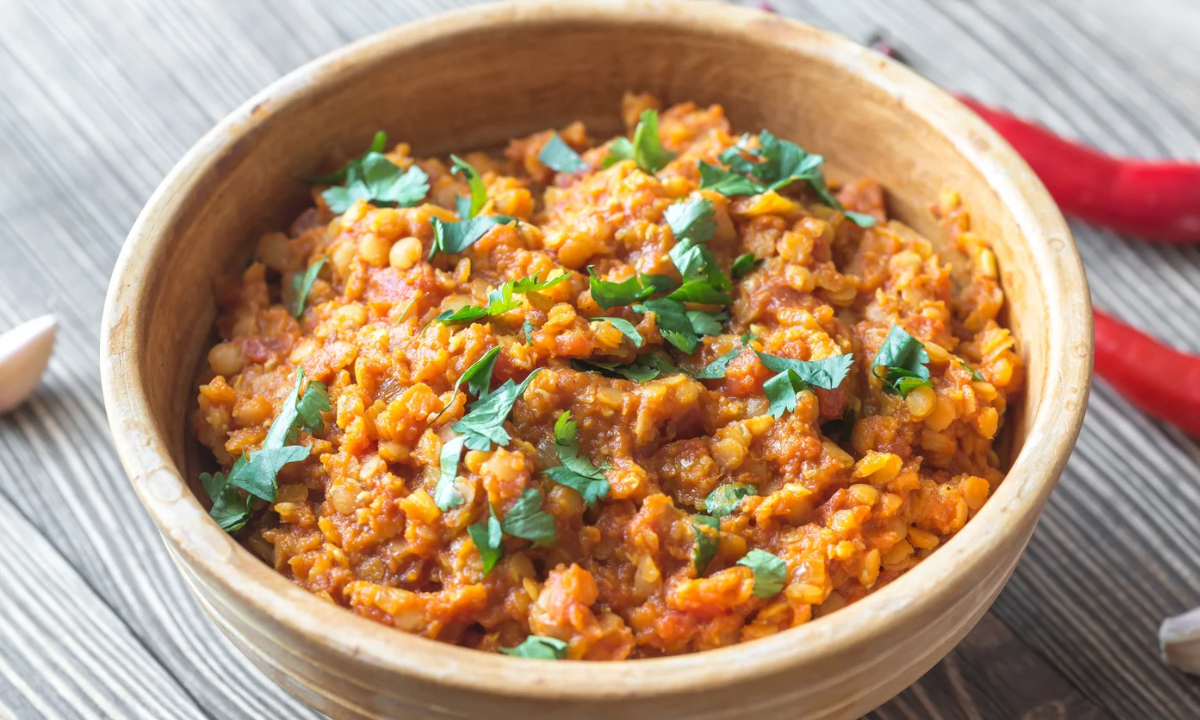
If your toddler doesn’t like meat, they’re not going to automatically miss out on protein. Eggs, dairy, tofu, lentils, and beans are all great meatless sources of protein. Veggie meals can meet children’s needs with planning: tofu with soft rice, lentil pasta, mashed bean quesadillas, or simply eggs and toast.
For picky eaters, always serve a small amount of something that’s less familiar with a food they already like. Keep offering it over time without forcing another bite. I completely understand why parents start bribing (been there done that), but having a few dependable options to rotate is a lot less exhausting than getting into a negotiation with your toddler about every single bite they haven’t eaten.
The Texture Has to Work
The way you serve protein to toddlers matters just as much as which source of protein you are serving. First for safety reasons, and second for your toddler’s preferences. For example, shredding meat, moistening and mashing foods, and chopping ingredients into small pieces are all preparation steps that can help your toddler eat successfully.
It’s very possible that your child will prefer thin omelet strips over scrambled eggs because toddlers have opinions. And even when it comes to ready-made meals, you might still need to do a little cutting to match your child’s preferences and eating skills.
High-Protein Toddler Meals You Can Come Back To
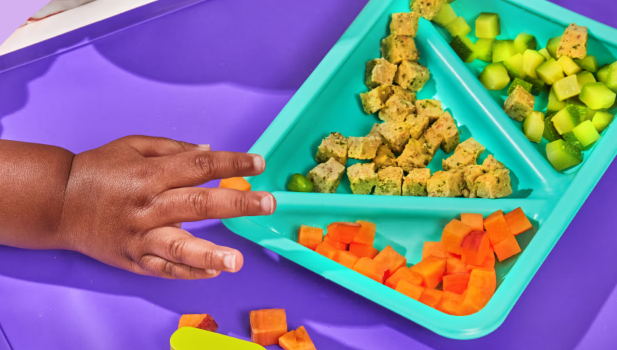
I want enough variety to feed my kids well without needing to think of a fancy recipe every time someone is hungry. A handful of breakfasts, lunches that can be made from leftovers, and a ready-made option for busy nights feels doable.
A practical way to start is your next grocery list. Pick one breakfast protein, two lunch options, and something you can cook for dinner and use again. Eggs, yogurt, and chicken can cover several meals, and tofu, beans, and lentils could do the same.
You’ll figure out which meal gets eaten, which ones are worth making again, and when it’s easier to have something ready. Keep those options in your rotation. For me, that’s what makes toddler feeding manageable: knowing I have some meals covered, even when the rest of the day hasn’t gone to plan.