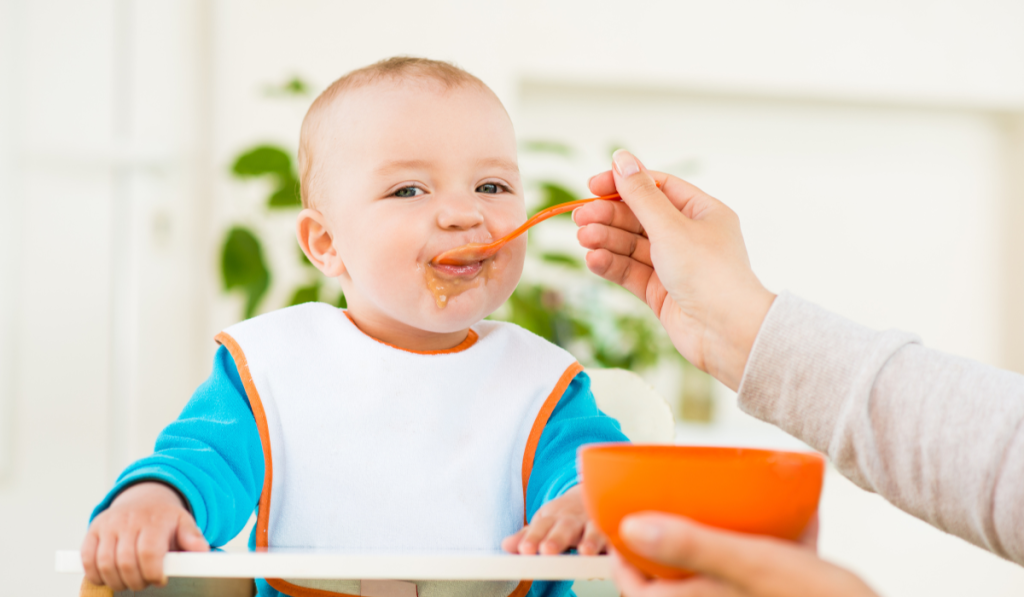
Most parents ask themselves this question pretty early on, once they start feeding their babies solids: Is premade baby food healthy or am I just taking the easy way out?
Home-made baby food is often considered the “best” way to go. You know exactly what goes in it, you select the freshest ingredients, and you can adapt flavors and textures to your baby’s needs. There’s pride and reassurance in knowing you’re giving your child something made with love and care.
But “premade” is a sweeping term these days. It consists of:
- Conventional shelf-stable jars and pouches
- Baby food, fresh or refrigerated
- Subscription based options aiming to replicate homemade
It can be nice to have baby food pre-made, but not all brands are the same nutritionally. Knowing what is in those jars or pouches will help you make the right decision for your little one.
Table of Contents
Homemade vs Premade Baby Food (At a Glance)
| Homemade Baby Food | Premade Baby Food | |
| Control Ingredient | Complete Control | Depends On The Brand |
| Freshness | High (When Used Fast) | Varies (Shelf Vs Fresh) |
| Nutrient Retention | High | Could Be Dependent On Processing |
| Time Required | High | Low |
| Consistency | Your Choice | Very Uniform |
Remember, just because food is premade doesn’t mean it’s bad for your baby, you just need to pay a little more attention to the label and know what you are getting.
What Are the Downsides of Store-Bought Baby Food?
Convenience often comes with trade-offs.
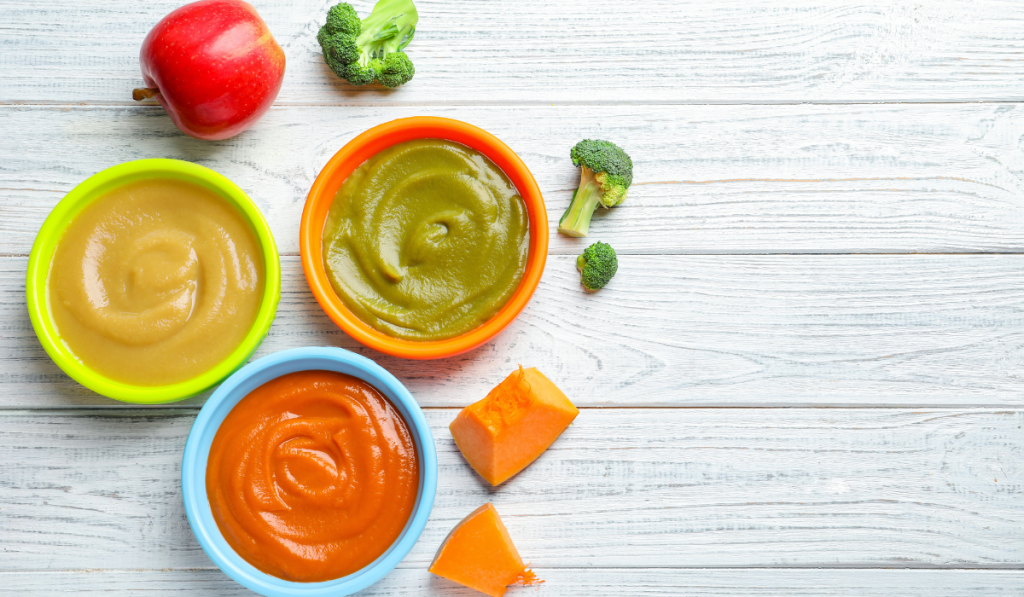
Store-bought baby foods can be super helpful but some parents are concerned about the processing methods, the quality of the ingredients, the added sugars, or how the shelf-stable products compare nutritionally to fresh foods. Those worries are why many families look for a balance between convenience and whole food choices.
As a nurse and parent myself, here are some common questions I’ve heard from families:
- Processing Methods: Store-bought baby foods are often heat-treated so they can survive on the shelf, which may decrease some of the nutrients that fresh foods bring.
- Texture Limitations: A lot of these products are still very smooth, so babies might not learn how to handle more complicated textures when they are ready.
- Ingredient Quality: These foods tend to be mostly fruit purees, so they are often sweeter than you might make at home and perhaps less balanced.
- Transparency: It is not always clear where the ingredients come from or how much safety testing is done.
For the record, these foods are not “bad”. They serve a purpose for busy families and they are made to last and be affordable.They are just not always the same as meals prepared fresh at home, especially when it comes to taste, variety and nutrition.
Are All Premade Baby Foods the Same?
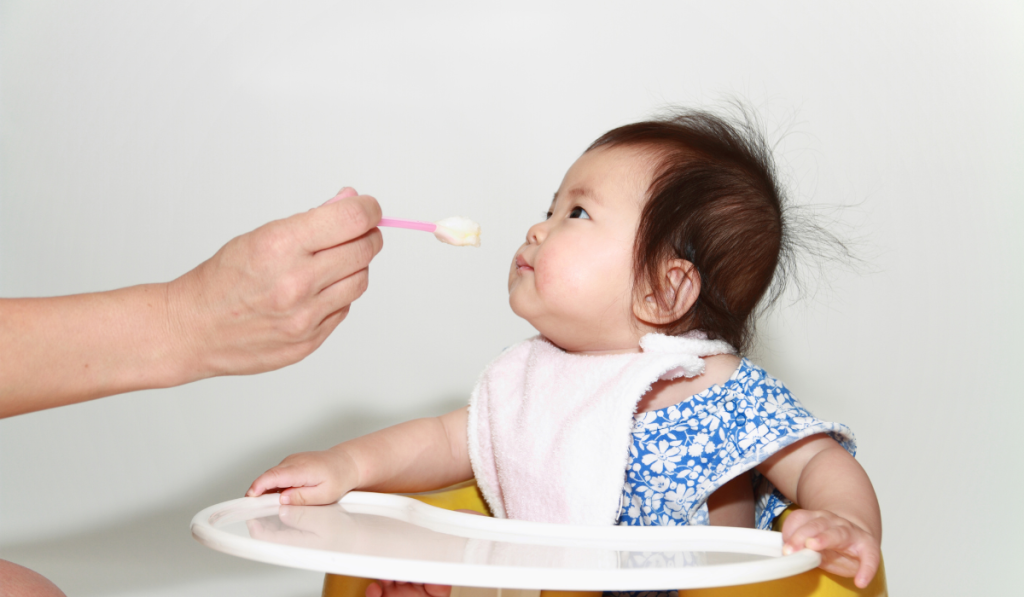
No, they are not all the same, and it can be confusing to understand the differences at first.
Types of Premade Baby Food:
Premade baby food today is not what it was even 10 years ago. There are now a few different categories, and they vary quite a bit in how they are made, how fresh they are, and how they are stored.
The most common and usually the most affordable option is traditional shelf-stable baby food, like jars and pouches. These are designed to last a long time without refrigeration, which often means they are more processed compared to fresher alternatives.
Refrigerated baby foods are a newer option that many parents are starting to use. These are typically made with fresher ingredients and fewer preservatives, but they need to be kept cold and have a shorter shelf life, which is part of why they tend to cost more.
There are also subscription-based delivery services that send fresh baby food directly to your home. These usually focus on high-quality ingredients and convenience, but they come at the highest price point compared to the other options.
What Should You Look For in Pre-Made Baby Food?
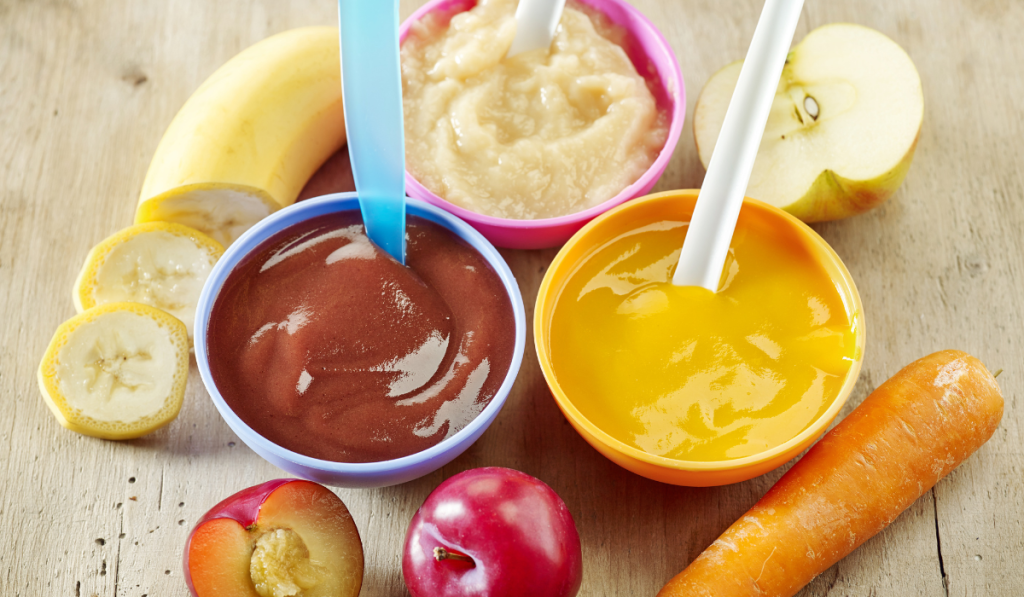
Instead of focusing on the “premade” label, it helps to think about baby food in terms of quality, safety, and how well it fits your family’s needs. The best options are usually simple, transparent, and made with real nutrition in mind rather than heavily processed ingredients.
Here are some questions to ask when you shop:
1. Are the Ingredients Simple and Recognizable?
One of the first things to check is whether the ingredient list is simple and easy to understand.
Look for foods made with recognizable ingredients like fruits, vegetables, grains, and proteins.
You do not need a perfect list, but it should feel close to real food rather than long lists of additives or fillers.
2. Is There Transparency Around Sourcing?
Brands that clearly explain where their ingredients come from and how they are produced tend to be more consistent and careful with quality.
When companies are open about sourcing, it usually signals stronger standards overall.
3. Is it Nutritionally Balanced?
A balanced option should include a mix of key nutrients like vitamins, fiber, healthy fats, and protein where appropriate.
Not all pouches are equal, and something that is mostly fruit is very different from a meal that includes vegetables, grains, or protein that supports growth and development.
4. Are There Safety and Testing Standards?
Safety standards are especially important in baby food. Look for brands that test for contaminants and are upfront about their safety practices.
Concerns like heavy metals have made many parents more cautious, and some brands now publish their testing standards to provide extra reassurance.
5. Are You Going to Use It?
Finally, consider whether the food actually fits into your daily routine.
Even a high quality option is not helpful if it is too inconvenient to use consistently.
Practicality matters, and the best choice is usually the one you can stick with without stress or waste.
Are Store-Bought Jars Better Than Premade Baby Food?
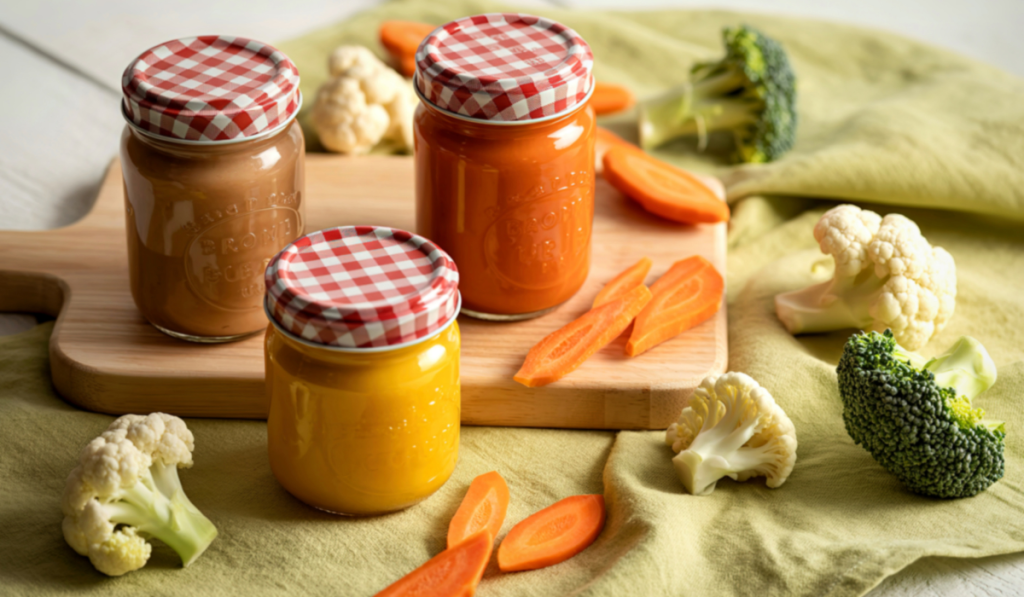
In many cases, traditional store-bought jars are different from newer premade baby food options in ways that matter. Neither is automatically better, but they are designed with different priorities in mind.
The main differences usually come down to how the food is made, the quality of the ingredients, how fresh it is, and how transparent the brand is about what goes into it.
| Feature | Traditional Store-Bought | Fresh Premade (Newer Brands) |
| Shelf life | Long | Short |
| Processing | Higher | Lower |
| Quality of ingredients | Ranges widely | Typically higher |
| Transparency | Limited | More detailed |
| Convenience | High | High |
Traditional jars are designed for long shelf life and easy storage, which often means more processing to keep the food stable over time. Newer fresh pre-made options are usually made to feel closer to homemade meals, with less processing and a stronger focus on ingredient quality, but they need refrigeration and do not last as long.
In the end, both options are convenient. The difference is really about whether you prioritize longer shelf life and accessibility, or fresher ingredients and more transparency about what is inside.
Premade Baby Food Brands Worth Considering
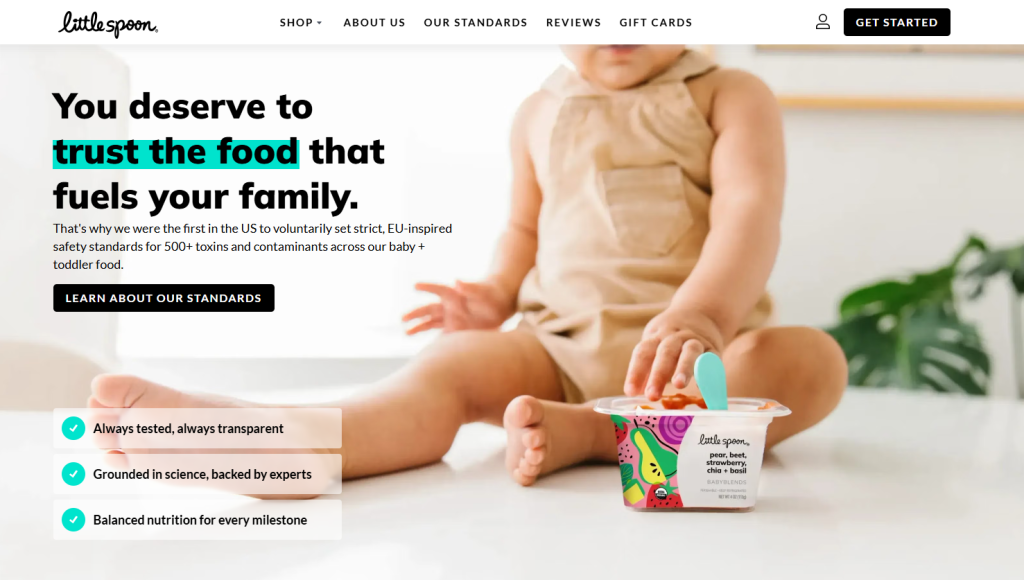
If you are looking for something between homemade baby food and traditional shelf-stable jars, there are a growing number of newer brands designed to make that middle ground easier for busy parents.
These options usually focus on fresher ingredients, simpler recipes, and more transparency, but they still vary in price, storage needs, and convenience.
Some commonly mentioned brands in this space include:
- Little Spoon – offers refrigerated Babyblends with simple, organic ingredients and stage-based options.
- Serenity Kids – focuses more on nutrient-dense recipes that often include fats and proteins.
- Once Upon a Farm – known for minimally processed refrigerated blends.
- Square Baby – builds recipes around balanced nutrition in each pouch.
- Yumi – leans into rotating menus designed to introduce a wider variety of flavors early on.
Each option has its trade-offs, depending on your budget, storage space, and how much convenience factors into your day to day routine. Many families rotate between homemade meals and premade foods, mixing refrigerated, frozen, and shelf-stable options as needed.
For example, Little Spoon’s Babyblends focus on organic ingredients and straightforward combinations that are designed for early stages of eating solids. The idea is to keep things close to real food while still making it easy for parents who do not have time to prepare everything from scratch every day.
Note: These standards apply specifically to Babyblends, since other products from Little Spoon, like snacks for older kids, follow different guidelines.
So, is Premade Baby Food Healthy or Not?
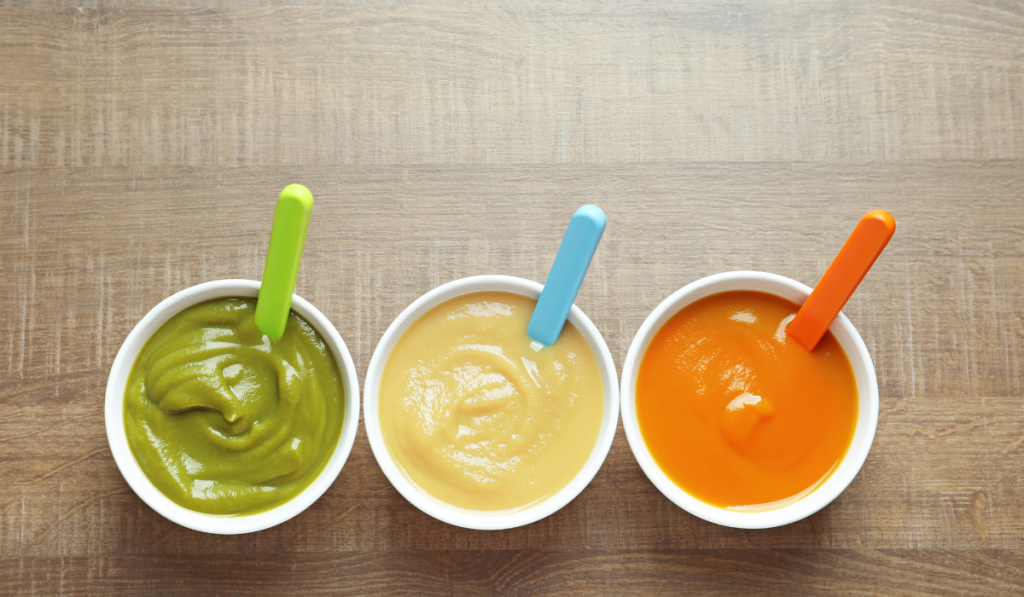
Yes, it can be, as long as you are paying attention to what you are buying.
The simplest way to think about it is this:
- Homemade baby food gives you the most control over ingredients and preparation, but it takes the most time and effort.
- Traditional store-bought jars and pouches offer the most convenience, but they also come with more processing and fewer choices around ingredients and freshness.
- Fresh pre-made options sit somewhere in the middle, offering higher ingredient standards and simpler recipes while still saving time in everyday life.
Don’t think about choosing one category over another, but instead understand what you are actually getting in each one. The differences in processing, sourcing, and nutrition are real, and they can add up depending on what your baby eats day to day.
Feeding your baby usually becomes a mix of approaches rather than a single system. Some meals are made at home, some come from premade options, and some come from shelf-stable staples that are easy to keep on hand. What works best is the combination that helps you stay consistent and confident in what you are feeding your child.