
If you’re standing in your kitchen wondering whether it’s actually safe to give your six-month-old eggs, or how to prepare them so they don’t just end up smashed on the floor, you’re asking the exact right questions. Eggs are one of the most nutritious first foods you can offer, but they’re also on the top allergen list, and getting the texture right for tiny hands can feel tricky.
After introducing solids to four babies and working with hundreds of families as a Certified Lactation Counselor, I can tell you that eggs become one of the easiest, most versatile foods in your BLW rotation once you know a few simple techniques. Current guidance actually recommends introducing eggs early, between six and twelve months, and there are so many ways to prepare them that work for different ages and skill levels.
These 15 egg recipes take the guesswork out of serving this powerhouse food, including Simple Scrambled Egg Strips that even brand-new eaters can grip, Loaded Veggie Egg Muffins you can batch-prep for the week, and Egg and Avocado Smash that combines healthy fats with protein. You’ll find options for every stage, from first tastes at six months to more textured recipes as your baby’s pincer grasp develops.
Your baby doesn’t need to actually eat much at first. Exposure matters more than consumption, and a little mess is just part of the learning process. You’ve got this!
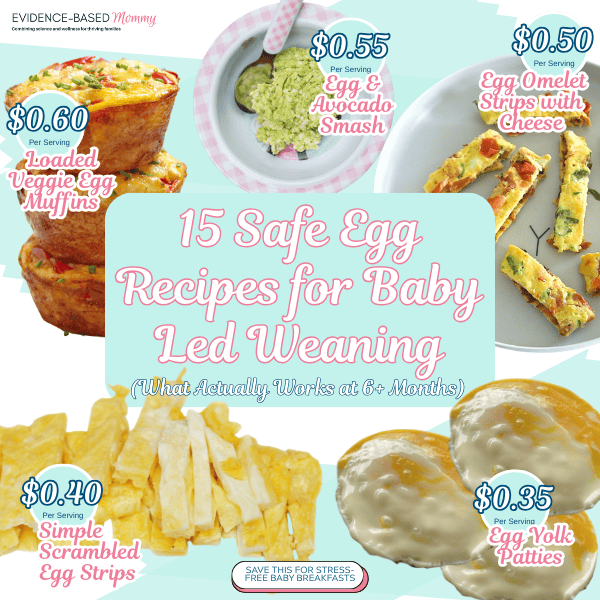
Table of Contents
1. Simple Scrambled Egg Strips (6+ months)
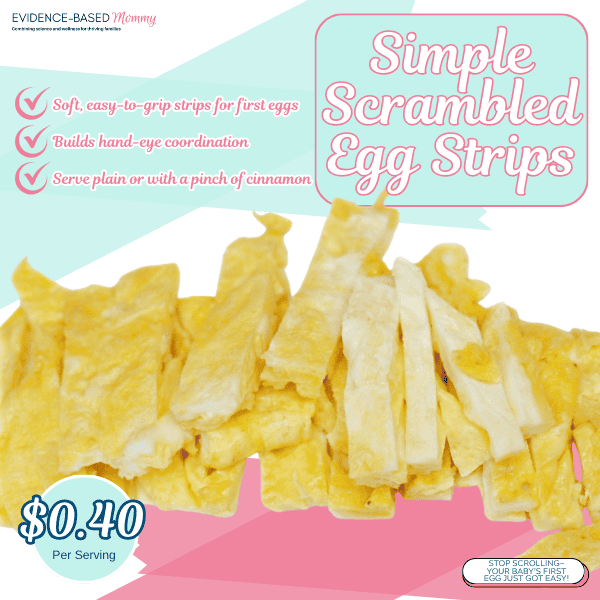
Your baby’s very first egg can be this straightforward. Whisk one or two eggs with a splash of breast milk or formula, then cook in butter over low heat, stirring constantly until just set but still moist. Pour the scrambled eggs onto a cutting board and slice them into finger-length strips about the width of two adult fingers. The key is keeping them thick enough for your baby to grip in their palm with some sticking out the top. Soft scrambled eggs build hand-eye coordination as babies practice bringing food to their mouths. Don’t worry if half ends up squeezed between tiny fingers. That sensory exploration is part of learning. You can serve these plain or add a tiny pinch of cinnamon for babies who seem hesitant about new flavors.
2. Egg Yolk Patties (6+ months)
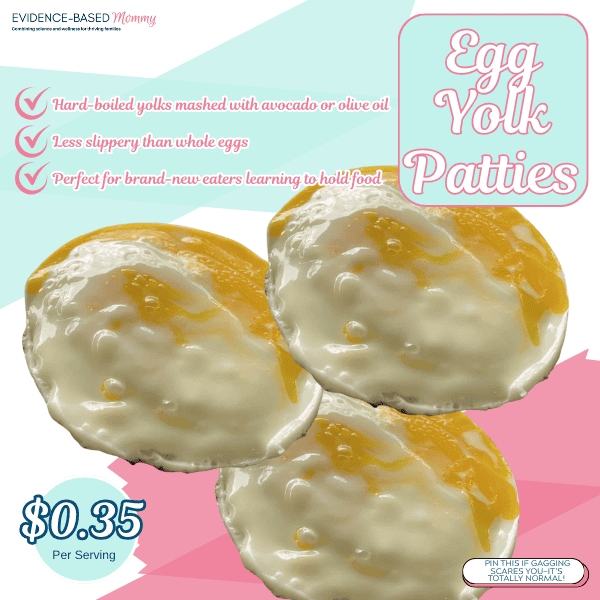
Worried about introducing the whole egg at once? Starting with just yolks gives you a gentler option. Hard-boil eggs, separate the yolks, and mash them with a bit of avocado or olive oil until they hold together. Form into small, flat patties about the size of your palm. The healthy fats help bind everything while boosting nutrient absorption. These patties are less slippery than plain egg and more manageable for brand-new eaters. Gagging looks scary, but it means their protective reflex is working exactly right, so if your baby gags a bit on their first few attempts with any new texture, that’s normal. Serve these alongside soft steamed vegetables or mashed sweet potato for a complete meal.
3. Egg Omelet Strips with Cheese (6+ months)
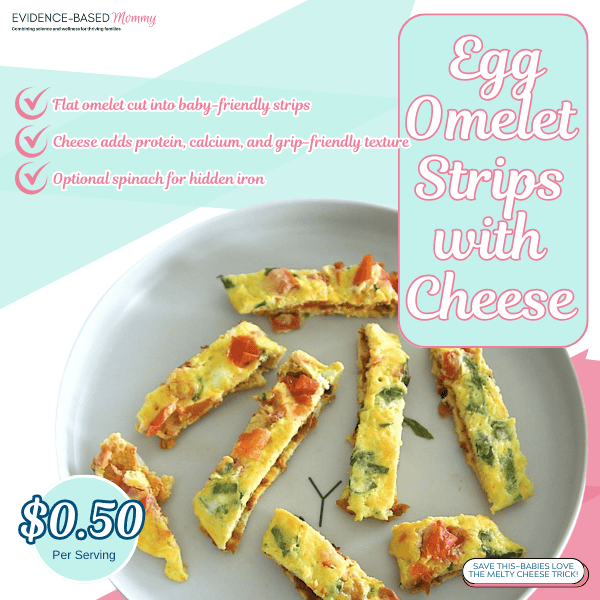
Beat two eggs with a tablespoon of whole milk, pour into a buttered pan, and cook without stirring until set, creating a flat omelet. Sprinkle shredded mild cheese on top while still warm so it melts slightly. Once cooled to a safe temperature, cut into strips that your baby can hold. The cheese adds calcium, extra protein, and a slightly sticky texture that some babies find simpler to grip than plain egg. Vary the cheese type as your baby gets comfortable. Mild cheddar, mozzarella, and Swiss all work well. You can also add finely minced spinach to the egg mixture before cooking for extra iron.
4. Loaded Veggie Egg Muffins (7+ months)
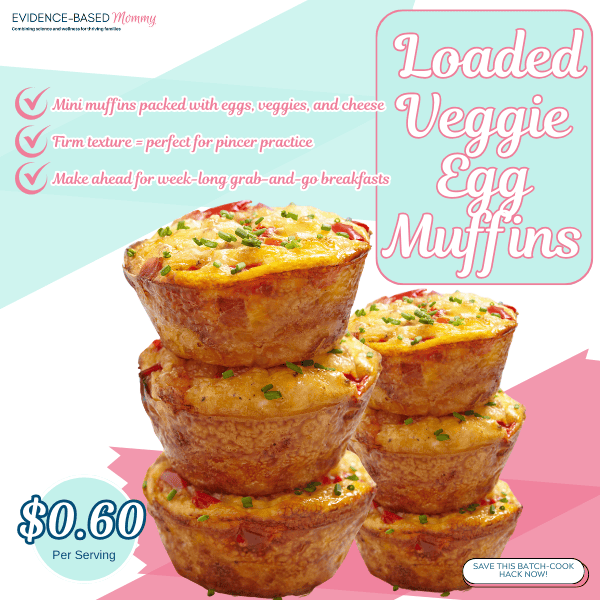
Mix six beaten eggs with finely diced cooked vegetables like bell peppers, zucchini, or mushrooms, plus shredded cheese. Pour into greased muffin tins and bake at 350°F for about 18 minutes until set. These muffins are perfect for babies developing their pincer grasp because they can practice picking at the vegetable pieces while still getting nutrition if they just gnaw the muffin. The firm texture holds together better than scrambled eggs for babies who get frustrated with slippery foods. Make a big batch on Sunday and refrigerate for quick breakfasts all week. You can also freeze these for up to three months. Let your baby explore the muffin however they want, even if that means pulling it completely apart before eating anything, because that exploration is how they learn.
5. Egg and Avocado Smash (6+ months)
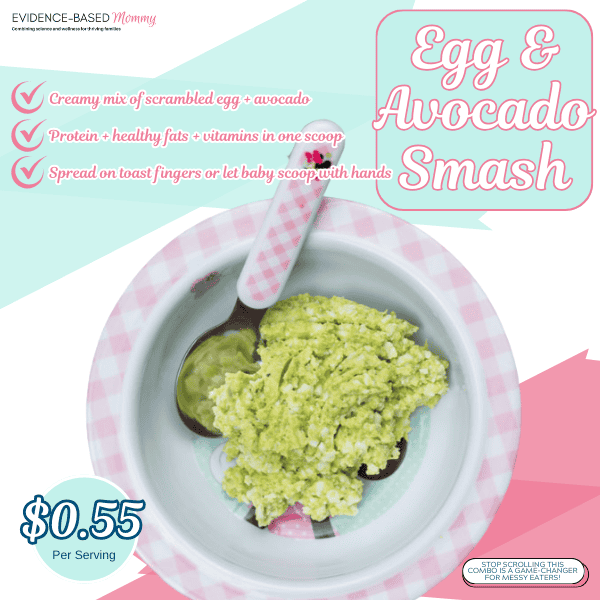
Wondering how to combine two powerhouse first foods? Mash half a ripe avocado with one scrambled egg while both are still warm. The avocado adds healthy fats that support brain development, while its creamy texture helps bind the egg into a consistency that won’t slip away as easily. Serve this spread on toast fingers cut into strips, or simply let your baby scoop it with their hands. This combination provides protein, healthy fats, folate, and vitamins E and K all in one meal. The messiness is actually beneficial because babies learn about food properties through touch just as much as taste. Keep a damp washcloth nearby, but try not to wipe their hands constantly during the meal, as that interrupts their sensory learning.
6. Banana Egg Pancakes (7+ months)
Mash one ripe banana thoroughly and mix with two beaten eggs until combined. Pour small circles onto a buttered griddle over medium-low heat. These naturally sweet pancakes contain no added sugar but taste like a treat. Flip when bubbles form, cooking until both sides are golden. Cut into strips or serve whole for babies to tear apart themselves. The banana adds potassium, fiber, and natural sweetness that many babies love, while the egg provides protein and iron. These pancakes are softer and simpler for beginners to gum than regular pancakes, making them ideal for babies still developing their chewing skills. The texture also tends to stick together better than plain scrambled eggs, which can frustrate babies who struggle with slippery foods.
7. Egg Fried Rice Balls (8+ months)
Cook rice until very soft, then mix with one scrambled egg and finely chopped cooked vegetables. Form into ping-pong-sized balls while still warm. The sticky rice holds everything together, creating a texture that’s more manageable for babies developing their pincer grasp. These work well for babies who’ve gotten comfortable with eggs and are ready for more complex textures. You can use white rice, brown rice, or even quinoa as your base. Add a tiny dash of low-sodium soy sauce if you want, though plain is perfectly fine. These freeze beautifully, so make a double batch and pull them out for quick meals. Your baby might squish the first few completely flat. Learning to regulate grip strength is part of the developmental process, so that’s exactly what should happen.
8. Sweet Potato Egg Fritters (7+ months)
What if your baby keeps rejecting plain scrambled eggs? Mix one cup of mashed cooked sweet potato with two beaten eggs and a tablespoon of whole wheat flour. Form into small patties and pan-fry in butter until golden on both sides. The sweet potato adds beta-carotene, fiber, and a naturally sweet flavor that appeals to babies, while its starchy texture helps bind everything into a shape that won’t fall apart in little hands. These fritters build chewing skills because they have more texture than smooth scrambled eggs. Early solid feeding is about exposure and skill-building, not consuming specific amounts, so if your baby only eats half and plays with the rest, that’s perfectly normal. Serve with a dollop of full-fat Greek yogurt for dipping if your baby seems interested in experimenting with textures.
9. Cheesy Egg Quesadilla Triangles (8+ months)
Scramble one egg and spread it onto half a whole wheat tortilla. Sprinkle with shredded cheese, fold in half, and warm in a pan until the cheese melts and the tortilla softens. Cut into small triangles. The tortilla provides a different texture for babies to explore while making the egg less slippery to hold. This preparation works well for babies who’ve rejected plain eggs because the cheese and tortilla mask the egg flavor slightly. You can add black beans or mashed avocado before folding for extra nutrition. With my third baby, I discovered that changing the delivery method completely changed her willingness to try foods she’d previously refused. The quesadilla format made eggs suddenly acceptable after weeks of rejection.
10. Herb and Egg Scramble (7+ months)
Beat two eggs with finely minced fresh herbs like parsley, basil, or chives. Scramble gently in butter over low heat, keeping the texture soft and moist. Cut into thick strips. Introducing herbs early expands your baby’s flavor palate and provides antioxidants and vitamins. Babies often surprise us by enjoying bold flavors adults assume they won’t like, so don’t worry about herbs being too strong. The tiny green flecks also give babies something visually interesting to examine while eating. If your baby picks out the herbs instead of eating them, they’re still getting the flavor exposure, which is what matters most. You can experiment with different herb combinations to see what your baby prefers. Fresh dill and mild cilantro work particularly well.
11. Baked Egg Cups in Ham (8+ months)
Line muffin tins with thin slices of deli ham, creating little cups. Crack one egg into each ham cup and bake at 375°F for about 12 minutes until the whites are set but the yolks are still slightly soft. The ham adds protein and sodium, giving babies a new flavor combination to explore. Once babies can pick at the egg and ham separately, you’ll know their fine motor skills are progressing, a milestone I noticed clearly with my own kids at this stage. Let the egg cups cool completely before serving, and cut them into smaller pieces if your baby struggles with the size.
12. Overnight Egg Casserole Squares (8+ months)
Mix eight beaten eggs with cubed whole grain bread, shredded cheese, and cooked sausage or vegetables. Pour into a greased baking dish, refrigerate overnight, then bake at 350°F for 35 minutes the next morning. Cut into baby-fist sized squares. This make-ahead option saves time on busy mornings while providing a complete meal. The overnight soak softens the bread, creating a texture that’s less challenging for babies than dry bread. These squares freeze beautifully in individual portions. The combination of textures helps babies practice more advanced chewing and tongue manipulation skills. Self-feeding means letting them control what and how much they eat, even when their choices seem illogical to us, so if your baby only eats the edges or picks out specific ingredients, that’s part of the process.
13. Spinach and Feta Egg Muffins (8+ months)
Whisk six eggs with a cup of chopped fresh spinach and crumbled feta cheese. Pour into muffin tins and bake at 350°F for 18 minutes. The spinach provides iron and folate, while the feta adds calcium and a tangy flavor that cuts through the egg taste. These muffins are firmer than plain scrambled eggs, making them less frustrating for babies who struggle with foods that fall apart. The visible spinach pieces give babies practice picking at different textures within the same food. You can substitute any soft cheese for the feta if you prefer something milder. Ricotta or goat cheese works well. Make these on Sunday, and you’ve got protein-packed breakfasts ready for the entire week. Reheat gently or serve at room temperature straight from the fridge.
14. Egg Drop Soup Noodles (10+ months)
Heat low-sodium chicken or vegetable broth until simmering. Add cooked soft noodles, then slowly drizzle in one beaten egg while stirring, creating ribbons. Let cool to a safe temperature. This preparation introduces your baby to eggs in soup form, expanding their understanding that foods come in different states. The warm broth can be soothing for babies who are teething or fighting a cold. The noodles give babies something to practice their pincer grasp on, while the egg ribbons provide protein. You’re building familiarity with varied food presentations, so if your baby drinks some of the broth, great. If they just fish out the noodles and ignore everything else, that works too. Add tiny pieces of soft tofu or shredded chicken for extra protein if desired.
15. Egg and Cottage Cheese Bowl (7+ months)
Scramble one egg until soft and fluffy, then gently fold in two tablespoons of full-fat cottage cheese while still warm. The cottage cheese adds extra protein, calcium, and a creamy texture that many babies find appealing. This combination is also simpler to scoop with hands than plain scrambled eggs, making it less frustrating for babies still developing coordination. The lumpy texture of cottage cheese gives babies practice managing foods with varied consistencies in the same bite. Serve this in a suction bowl if you have one, though babies often want to dump the bowl at this age. That’s exploration, not misbehavior. You can add mashed berries or a sprinkle of cinnamon for variety once your baby seems comfortable with the basic version.
Your Baby’s Egg Journey Starts Now
You were standing in your kitchen, wondering if eggs were safe and how to keep them from ending up on the floor. Now you know that early introduction is actually recommended, and you have 15 different ways to prepare them for success.
Start simple with Simple Scrambled Egg Strips or Egg Yolk Patties for your first few egg meals. These recipes are designed for tiny hands and give your baby something they can actually grip while they’re still developing coordination. Once you see how they handle these, you’ll feel confident branching out to Loaded Veggie Egg Muffins or Sweet Potato Egg Fritters.
Yes, there will be eggs smashed on the floor. There will probably be eggs in hair, between fingers, and ground into that high chair. But that’s not a mess, that’s learning. Every squish and squeeze is your baby exploring texture, building motor skills, and developing a healthy relationship with food.
You’ve got this, and your baby is so ready!