
If you’re feeling nervous about handing your six-month-old a piece of food and just letting them figure it out, you’re not alone. The idea of skipping purees can feel risky, especially when everyone from your pediatrician to your mother-in-law has an opinion about how you should be doing this.
After introducing solids to four babies and years of supporting families as a lactation counselor, here’s what became clear to me: purees were never a developmental necessity. Babies are actually designed to learn to eat by exploring real food textures from the start. The gagging that terrifies most parents? That’s their body’s brilliant protective mechanism working exactly as it should.
I’ve put together 30 safe first foods with specific preparation instructions for each one, including favorites like avocado spears, steamed broccoli florets, and sweet potato wedges. You’ll find everything from simple options you can prep in five minutes to more adventurous choices as your baby gains confidence. Each food includes the exact size and texture to offer, so you’re not left guessing whether you’re doing it safely.
Your baby doesn’t need fancy recipes or picture-perfect presentations. They need food they can grasp, gum, explore, and eventually swallow. You’ve got this, and you’re already doing great by learning how to offer foods safely.
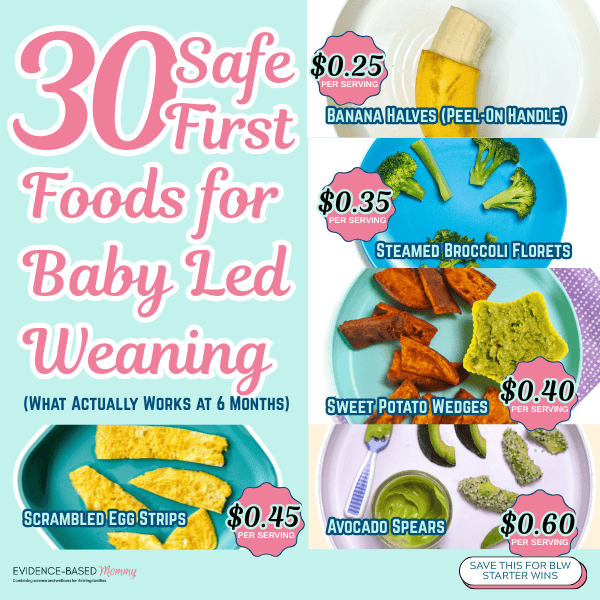
Table of Contents
1. Avocado Spears
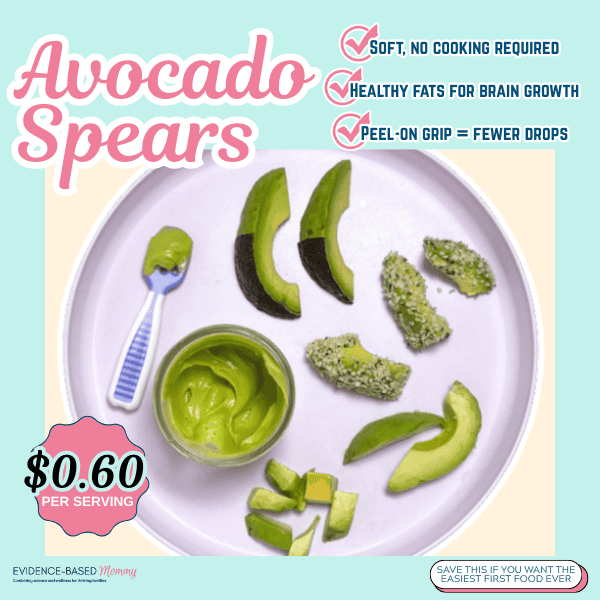
If you’re nervous about starting solids, avocado is your friend. It’s naturally soft, packed with healthy fats that support brain development, and nearly impossible to mess up. Cut a ripe avocado into thick spears about the size of your pinkie finger, leaving some peel on one end to create a non-slip grip for tiny hands. Don’t worry if your baby mostly squishes it at first. That’s totally normal and part of how they learn about texture. Avocado is also one of the few foods that doesn’t require cooking, which makes it perfect when you’re already juggling a thousand things. If it’s too slippery, try rolling the spears in baby cereal or ground flax for a better grip.
2. Banana Halves (Not Slices)
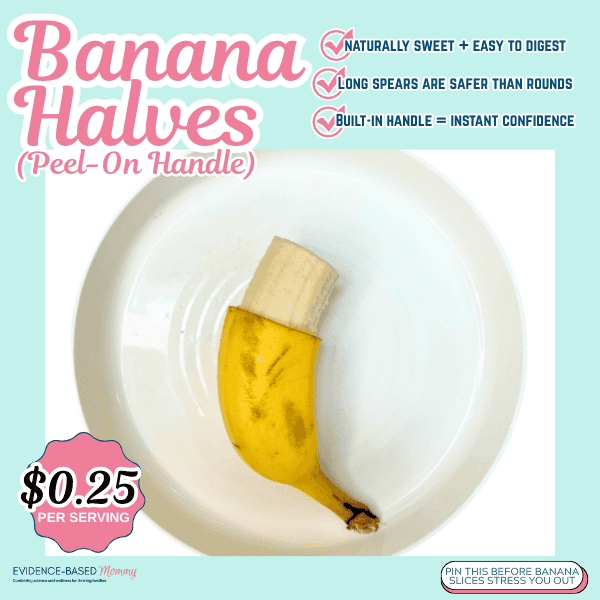
You’ve probably seen those cute photos of babies holding banana slices. Round slices can be trickier for new eaters to manage safely. Instead, cut a banana in half lengthwise, then cut those halves in half again so you have long spears. Leave about an inch of peel at the bottom as a handle. Your baby can gum the exposed banana while gripping the peel, and as they get better at eating, you can gradually peel back more. Bananas are naturally sweet and easy to digest, plus they’re rich in potassium and vitamin B6. If your baby seems constipated, you might want to wait a bit and try other foods first, then come back to bananas later.
3. Steamed Broccoli Florets
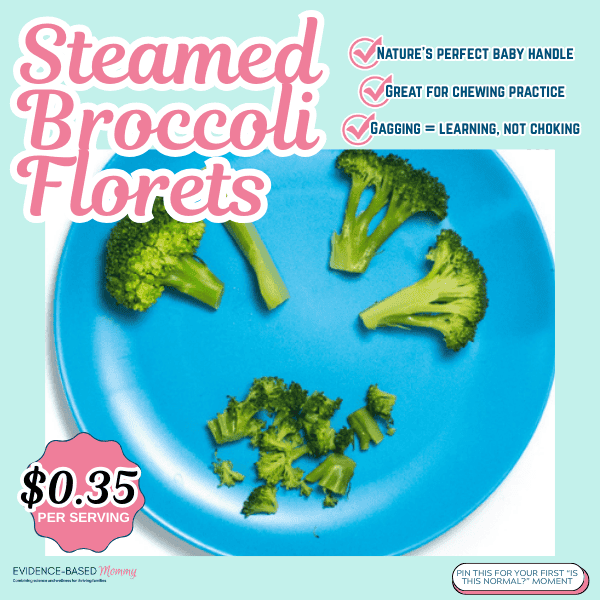
The florets work like natural handles, making broccoli surprisingly perfect for little hands. Steam large florets until they’re soft enough to squish between your fingers, but not mushy. Your baby will gnaw on the top part while gripping the stem. It’s completely normal for them to mostly suck on it and not actually swallow much at first. That’s how they learn. Broccoli is loaded with vitamin C, fiber, and those important nutrients everyone talks about. Babies often like broccoli better than toddlers do, so take advantage of this adventurous eating phase. If you’re worried about the choking risk, test it yourself. If you can easily mash it against the roof of your mouth with your tongue, it’s soft enough.
4. Sweet Potato Wedges
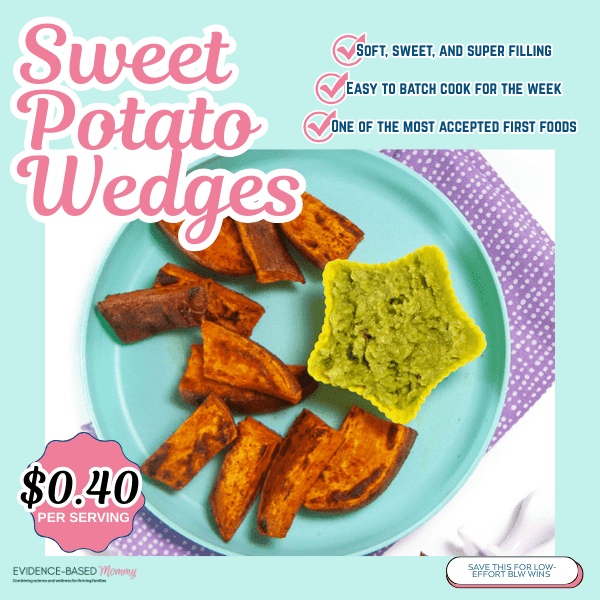
Cut a sweet potato into thick wedges (think steak fries, not shoestring), toss lightly with a tiny bit of olive oil, and roast until very soft. You want them soft enough that they practically fall apart when your baby gums them. Sweet potatoes are rich in beta-carotene, which supports eye development and immune function. They’re also naturally sweet without being overly so, which makes them appealing to most babies. You can make a big batch on Sunday and keep it in the fridge for quick meals throughout the week. Some babies grip them better with the skin on (thoroughly washed), while others do better with it removed. Try both ways and see what works for your little one.
5. Scrambled Egg Strips
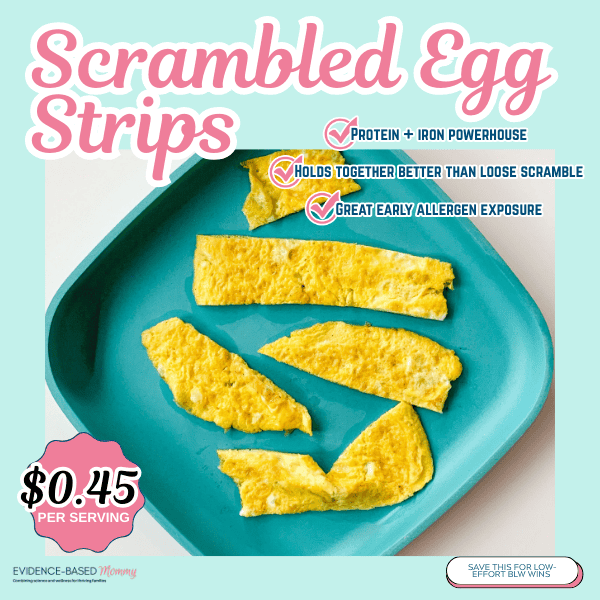
Eggs are one of the best first foods because they’re packed with protein, iron, and choline for brain development. Whisk an egg with a splash of breast milk or formula, then scramble it in a pan until it’s fully cooked but still moist, not rubbery. Let it cool slightly, then cut into strips about the width of two adult fingers. Don’t worry about the old advice to wait for eggs. Current guidelines recommend introducing them early, and research shows this may actually reduce allergy risk. If you’re concerned about allergies, introduce eggs at home when you’ll be around for a few hours to watch for any reaction, but know that most babies tolerate them just fine.
6. Roasted Carrot Sticks
Carrots need to be cooked until they’re very soft because raw carrots are too hard for babies. Cut them into thick sticks, toss with a bit of olive oil, and roast at 400°F until you can easily pierce them with a fork and they bend slightly. They should be soft enough to mash with gentle pressure. Carrots are excellent sources of vitamin A and fiber. The roasting brings out their natural sweetness, which many babies love. You can also steam them if you prefer, though roasting often creates a texture that’s easier for babies to grip. Make extra and add them to your own meals. You’re not running a separate restaurant here, and it’s okay to keep things simple.
7. Mango Strips
Wondering if fruit needs to be cooked first? Not mango. A ripe mango is naturally soft and perfect as-is. Cut thick slices and remove the skin, or leave a bit of skin at one end as a handle if your baby needs help gripping. Mango is slippery, so expect it to go everywhere. That’s part of the learning process. This tropical fruit is loaded with vitamin C and vitamin A, plus it’s naturally sweet without any added sugar. The texture helps babies practice their emerging pincer grasp as they get older. If you’re worried about the mess, put a large mat under the high chair or feed them in just a diaper. Seriously, embrace the mess. It’s temporary, and it means your baby is exploring and learning.
8. Toast Strips with Nut Butter
White bread is fine, but whole grain offers more nutrients and a sturdier texture. Toast it lightly, then spread a very thin layer of smooth peanut butter, almond butter, or sunflower seed butter if allergies are a concern. Cut into strips about the width of your finger. The keyword here is thin. You want just enough to stick to the toast without creating a thick glob that could be a choking hazard. This combination offers protein, healthy fats, and iron. Current research suggests introducing peanut butter early may reduce allergy risk, but if you have concerns based on family history, talk with your pediatrician first. Most babies can safely have thin nut butter on toast as one of their first foods.
9. Cucumber Spears
Teething babies love the cool relief of cucumber spears. Cut thick spears with the peel on (wash it well), and if you’re worried about the crunch, you can briefly blanch them in boiling water to soften slightly while maintaining that satisfying texture. The cool temperature feels good on sore gums, and the mild flavor appeals even to pickier eaters later on. While cucumber isn’t nutritionally dense compared to other options, it’s hydrating and teaches babies about different textures. Serve it alongside more nutrient-rich foods rather than making it the whole meal.
10. Ground Meat Patties
Mix ground beef, turkey, or lamb with a bit of breast milk or formula to keep it moist, then form small, flat patties about the size of your palm. Cook thoroughly, but don’t let them get dry and tough. Babies can gnaw on these and actually get some iron-rich pieces in their system. Ground meat might seem scary as a first food, but it’s actually safer than people think when prepared correctly. The key is keeping it moist and making sure it’s cooked all the way through. You can mix in some mashed sweet potato or avocado if the texture seems too dry. It’s simple, nutritious, and exactly what your baby needs. Meat is one of the best sources of iron your baby can get.
11. Oatmeal Fingers
Mix thick-cut oats with breast milk, formula, or water, and cook until very thick, almost like a paste. Spread this mixture on a parchment-lined baking sheet in a thin layer, then bake at 350°F for about 20 minutes until it firms up. Once cool, cut into finger-sized strips. These hold together much better than spooned oatmeal for baby-led weaning, and they’re just as nutritious. Oats provide iron, especially if you use iron-fortified varieties, plus fiber and B vitamins. You can mix in mashed banana, pureed pumpkin, or a tiny bit of cinnamon for variety. This is a great option for babies who have trouble gripping slippery foods because the texture is naturally easier to hold.
12. Cantaloupe Wedges
Cut a ripe cantaloupe into thick wedges and remove most of the rind, leaving just a small strip at the bottom for gripping. The orange flesh should be soft and easy for your baby to gum. Cantaloupe is hydrating, sweet, and rich in vitamins A and C. It’s also one of those foods that babies either love immediately or need to try several times before accepting. If your baby just smooshes it and barely eats anything, that’s completely fine. They’re learning about texture, taste, and how to move food around in their mouth. All of that is valuable practice, even if very little actually gets swallowed. Keep offering it alongside other foods, and don’t worry if it takes 10 or 15 exposures before they really start eating it.
13. Green Beans
Steam whole green beans until they’re very soft and you can easily mash them between your fingers. Leave them whole rather than cutting them up. Babies can hold the whole bean and gum away at it, and the long shape is actually safer than small pieces. Green beans offer fiber, vitamins A, C, and K, plus folate. They’re mild in flavor, which some babies love, and others find boring. You can toss them with a tiny bit of butter or olive oil after cooking to make them slightly more appealing and easier to grip. Fresh or frozen, both work fine. You’re not a bad parent for using frozen vegetables. They’re often more nutritious than “fresh” produce that’s been sitting around for weeks.
14. Chicken Strips
Poach or bake a chicken breast until it’s fully cooked and still moist, not dry. Let it cool, then shred it with your fingers in the direction of the grain into long, stringy pieces. These strings are much safer than chunks because babies can gum them, and they break down more easily. You can also cut the cooked chicken into thin strips if your baby is having trouble with the shredded texture. Chicken provides protein and some iron, though not as much as red meat. It’s versatile and takes on whatever flavors you add. Don’t feel like you need to make it bland. A little garlic powder, onion powder, or herbs are fine. Your baby is learning to eat the foods your family eats, and that includes seasoning.
15. Pear Slices
Pears are naturally soft when ripe, making them ideal for babies just starting solids. Cut a ripe pear into thick slices, leaving the peel on for easier gripping. The peel also adds fiber and makes the slices less slippery for tiny hands. Pears provide vitamin C and are gentle on your baby’s digestive system, which is helpful if you’re dealing with constipation. You want the pear soft enough that you could easily mash it with your tongue, but not so mushy that it falls apart immediately. If your pear isn’t quite ripe enough, you can briefly steam the slices to soften them. Some babies prefer pears to apples because they’re sweeter and softer, while others do better with the slight tartness of apples. Both are nutritious options, so offer what you have on hand.
16. Cheese Sticks
It’s completely normal for your baby to mostly suck on cheese at first rather than bite pieces off. That’s how they learn to manage food in their mouth. Full-fat cheese is packed with calcium, protein, and healthy fats that growing babies need. Cut firm cheeses like cheddar or mozzarella into stick shapes about as long as your finger. Avoid pre-shredded cheese because the added starches make it harder to grip. String cheese works great, too, if you pull it into thinner strips. Cheese can be constipating for some babies, so you might want to pair it with high-fiber foods like a pear or a prune. If dairy allergies run in your family, introduce cheese at home when you can watch for reactions, but most babies tolerate it without any issues.
17. Cooked Apple Wedges
A raw apple is too hard and is a choking hazard, but a cooked apple becomes perfectly safe and delicious. Peel and core an apple, cut it into thick wedges, then steam or bake until very soft. You should be able to easily squish a wedge between your fingers. Apples offer fiber and vitamin C, and the natural sweetness appeals to most babies. The cooking process breaks down the tough cell walls that make raw apples dangerous for young eaters. You can cook a bunch at once and keep them in the fridge for several days. Add a tiny sprinkle of cinnamon if you want, though plain is fine too. Your baby is tasting real apple flavor, and that’s what matters.
18. Salmon Flakes
Wild-caught salmon provides omega-3 fatty acids that support brain and eye development, plus it’s one of the few food sources of vitamin D. Bake a salmon fillet until fully cooked, let it cool, then flake it into small pieces with your fingers, checking carefully for any bones. The flakes should be moist, not dry. You can mix them with a bit of mashed avocado or sweet potato if the texture seems too dry on its own. Don’t worry about mercury with salmon. It’s a low-mercury fish that’s safe for babies. The flavor is stronger than chicken, and some babies love it immediately, while others need several exposures. Keep offering it even if they make faces at first. It takes time to develop taste preferences, and repeated exposure is how that happens.
19. Zucchini Fries
Cut zucchini into thick fry shapes, toss with olive oil, and roast at 425°F until soft and slightly golden. Leave the skin on for added nutrients and a better grip. Zucchini is mild, hydrating, and provides vitamins A and C along with fiber. It’s also one of those vegetables that takes on the flavor of whatever you cook it with, which makes it incredibly versatile. The texture is soft, and the flavor isn’t overwhelming, which helps most babies accept it without much fuss. If your baby seems uninterested, try roasting them a bit longer until they get slightly crispy on the outside. That textural contrast sometimes makes them more appealing.
20. Lentil Patties
Lentils are powerhouses of nutrition, offering protein, iron, and fiber. Cook red or green lentils until very soft, then mash them with a fork and mix with a bit of mashed sweet potato or cooked rice to bind them together. Form into small, flat patties and pan-fry in a little olive oil until they hold together. These might fall apart a bit, and that’s okay. Your baby can pick up the pieces and self-feed. Lentils are especially important if you’re raising your baby vegetarian because they provide iron and protein that might otherwise come from meat. The patties freeze well, so make a big batch and reheat as needed. You can add mild spices like cumin or garlic powder for flavor without making them spicy.
21. Butternut Squash Crescents
Peel a butternut squash, cut it into crescent-shaped pieces about half an inch thick, and roast until very soft. The curved shape is actually easier for babies to grip than straight sticks. Butternut squash is loaded with vitamins A and C, plus fiber and potassium. The natural sweetness makes it appealing to most babies, and the color is vibrant and interesting. You want pieces soft enough that they’ll break down easily when gummed, but not so soft that they completely fall apart when picked up. The neck of the squash works better than the round bottom part because it has fewer seeds and a more uniform texture. Store extras in the fridge and reheat for quick meals throughout the week.
22. Pork Tenderloin Strips
Pork tenderloin is naturally tender and provides protein, B vitamins, and zinc. Season it simply, roast until fully cooked but still moist, then slice into thin strips against the grain. The strips should be thin enough to bend slightly but thick enough for your baby to grip. Pork dries out easily, so don’t overcook it. A meat thermometer is your friend here. You want it to reach 145°F internally. Let it rest for a few minutes before cutting, which helps it stay juicy. If it seems dry, you can serve it alongside some mashed avocado or sweet potato that your baby can dip in, or you can mix it on their tray. Variety in protein sources is good, and pork offers different nutrients than chicken or beef.
23. Peach Halves
Use ripe, soft peaches and cut them in half, removing the pit. You can leave the peel on if it’s well-washed, or remove it if you prefer. The natural divot where the pit was creates an interesting texture for babies to explore. Peaches are rich in vitamins A and C and naturally sweet. They’re also high in fiber, which helps with digestion. If your peaches aren’t quite ripe enough, you can briefly steam the halves to soften them. Summer peaches are usually softer and sweeter than off-season ones, but frozen peach slices that you thaw and warm slightly work fine too. Your baby might smoosh more than eat at first, and that’s part of learning. The sensory experience of touching and tasting new foods matters just as much as actually swallowing them.
24. Cauliflower Steaks
Cut a head of cauliflower from top to bottom into thick “steaks” that keep the florets attached to a section of core. This creates a natural handle. Steam or roast until very soft, testing with a fork to make sure you can easily pierce through. Cauliflower provides vitamin C, fiber, and antioxidants. The mild flavor works well with various seasonings, though plain is perfectly fine too. Some babies love cauliflower while others are indifferent to it. Keep offering it in different preparations. Roasting brings out a slightly sweet, nutty flavor that’s different from steaming. You can also break off individual florets if your baby prefers smaller pieces once they develop their pincer grasp.
25. Polenta Sticks
Cook polenta according to package directions until thick, then spread it in a thin layer on a parchment-lined baking sheet and refrigerate until firm. Cut into stick shapes and either serve cold or warm them briefly. You can also pan-fry them in a little olive oil for a different texture. Polenta is made from corn and provides carbohydrates for energy, plus some fiber and B vitamins. It’s naturally gluten-free if that’s a concern. The firm texture, once cooled, makes it easy for babies to grip and gnaw on. You can mix in some grated cheese or pureed vegetables before it sets for added nutrition and flavor. Make a batch that lasts several days and reheat as needed.
26. Tofu Cubes
Extra-firm tofu cut into cubes provides plant-based protein, iron, and calcium. Press the tofu to remove excess water, cut into cubes about an inch on each side, then bake at 400°F until slightly golden and firmer on the outside. You can marinate it first in a little low-sodium soy sauce or just season it with garlic powder. The cubes should be firm enough to hold their shape but soft enough to squish easily. Tofu is incredibly versatile and takes on whatever flavors you add to it. If you’re raising your baby vegetarian or vegan, tofu is an excellent protein source. Even if you’re not, it adds variety to your baby’s diet. Make sure you’re buying tofu that’s made with calcium sulfate rather than magnesium chloride to get the calcium benefit.
27. Pasta Shapes
Large pasta shapes like rigatoni, penne, or fusilli are perfect for little hands to grasp. Cook until very soft, well past al dente. You want the pasta soft enough that your baby can easily gum it. Toss with a tiny bit of olive oil or butter to prevent sticking. Plain pasta provides carbohydrates for energy, and if you choose whole wheat varieties, you’ll add some fiber and B vitamins. You can serve it plain or toss it with some mashed vegetables or a small amount of low-sodium marinara sauce. Don’t feel pressured to make pasta fancy. Your baby is learning to pick up individual pieces and get them to their mouth, and that’s skill-building work even if the food itself is simple.
28. Bell Pepper Strips
Red, orange, or yellow bell peppers are sweeter and softer than green ones. Cut into wide strips, remove all seeds and membranes, then roast or steam until very soft. You want them bendable and easy to mash. The bright colors make them visually interesting, and bell peppers provide vitamins A and C plus antioxidants. Raw bell pepper is too hard and crunchy for babies, but when cooked until soft, they become a safe and nutritious option. The strips can be slippery, so expect some to end up on the floor. That’s part of the learning process. If your baby seems frustrated with the slipperiness, roasting them a bit longer until they get slightly caramelized can help with grip.
29. Baked Potato Wedges
Regular white potatoes get a bad reputation, but they actually provide vitamin C, potassium, and fiber, especially if you leave the skin on. Cut into thick wedges, toss with olive oil, and bake until very soft inside with slightly crispy edges. The skin adds nutrients and makes them easier to hold. Don’t worry about the carbohydrate content. Babies need carbs for energy and brain development. You can season them with garlic powder or a tiny sprinkle of paprika for flavor. Sweet potatoes get all the attention, but regular potatoes are nutritious and often cheaper. Make a big batch and reheat throughout the week for easy meals.
30. Sardine Pieces
Sardines might seem like an unusual choice, but babies don’t share adult food prejudices. They’re packed with omega-3s, calcium (because you eat the tiny bones), vitamin D, and iron. Buy sardines packed in water or olive oil, drain them, and break them into small pieces, checking for any large bones. The texture is soft and flaky, easy for babies to manage. Yes, they smell fishy, but babies are much more likely to try sardines at six months than at six years. The nutrition profile is incredible, and they’re one of the most sustainable seafood choices you can make. Mix with some mashed avocado if the texture seems too dry on its own.
Your Baby Is Ready (And So Are You)
That nervousness about skipping purees and just handing your baby real food? You now have 30 specific options with exact preparation instructions, so you’re not guessing whether you’re doing this safely. That’s huge progress from where you started.
Start simple with avocado spears or banana halves for your first few meals. Both are soft, easy to grip, and forgiving while your baby figures out this whole eating thing. Add steamed broccoli florets or sweet potato wedges once you’ve both gained confidence.
That gagging sound that will probably make your heart stop the first time? It’s not choking. It’s your baby’s body doing exactly what it’s designed to do. Those mushed-up food explosions all over the high chair and floor? That’s not a mess you’re failing to control. That’s sensory exploration and motor skill development happening in real time.
And when someone questions why you’re not spooning purees? You’ll know your baby is learning exactly the way they were designed to, through exploration, not spoon-feeding. You don’t need fancy ingredients or Instagram-worthy presentations. You just need safe foods and the courage to let your baby explore them. You’ve got this. Happy feeding!