
Silicone baking mats are a sensible swap for families trying to cut chemicals out of the kitchen. This guide starts with what the science says on nonstick bakeware versus silicone alternatives, then offers a side-by-side comparison of the silicone mats kitchen testers recommend most, grouped by how they are built.
Table of Contents
Nonstick Bakeware: A Hidden Plastic
Most nonstick bakeware is coated with polymers that belong to the PFAS family, often called “forever chemicals” because of the way they do not break down easily and build up in the body over time. In December 2023, the International Agency for Research on Cancer classified certain chemicals in the PFAS family as carcinogenic to humans and others as possibly carcinogenic.
The polymers in nonstick bakeware are plastic in the technical sense, but nobody thinks of a metal baking sheet that way. The slick dark finish just looks like part of the metal. But that sneaky plastic coating is in direct contact with food at high heat, which is why we need to take a closer look at the safety of using these materials for cooking and baking.
Where the Risk Comes From

Regulators, including the FDA, generally regard intact nonstick cookware as safe when it is used as intended. The red flag here is assuming tools will always be used under perfect conditions; the trouble comes from the ways bakeware inevitably will be used in real life.
The nonstick coating begins to break down around 500°F. The fumes can cause a temporary flu-like illness, and they are a documented danger to pets in the home. Broiler settings and empty-pan preheating can both send nonstick bakeware above 500°F within minutes.
Nonstick coatings also scratch, chip, and thin with age. A 2025 review of lab studies reported that a single scratch can release thousands of tiny coating particles, and that heavily damaged nonstick utensils can release millions during a short cooking test.
Several U.S. states have started restricting intentionally added PFAS in kitchenware and bakeware, such as sheets, molds, and trays.
The case for avoiding nonstick coatings is a precautionary one. Parents trying to reduce the chemicals their children are exposed to can reasonably decide that it’s smarter to avoid using tools with a coating that scratches, ages, and breaks down under high heat.
Why Baking with Silicone Offers a Safer Alternative
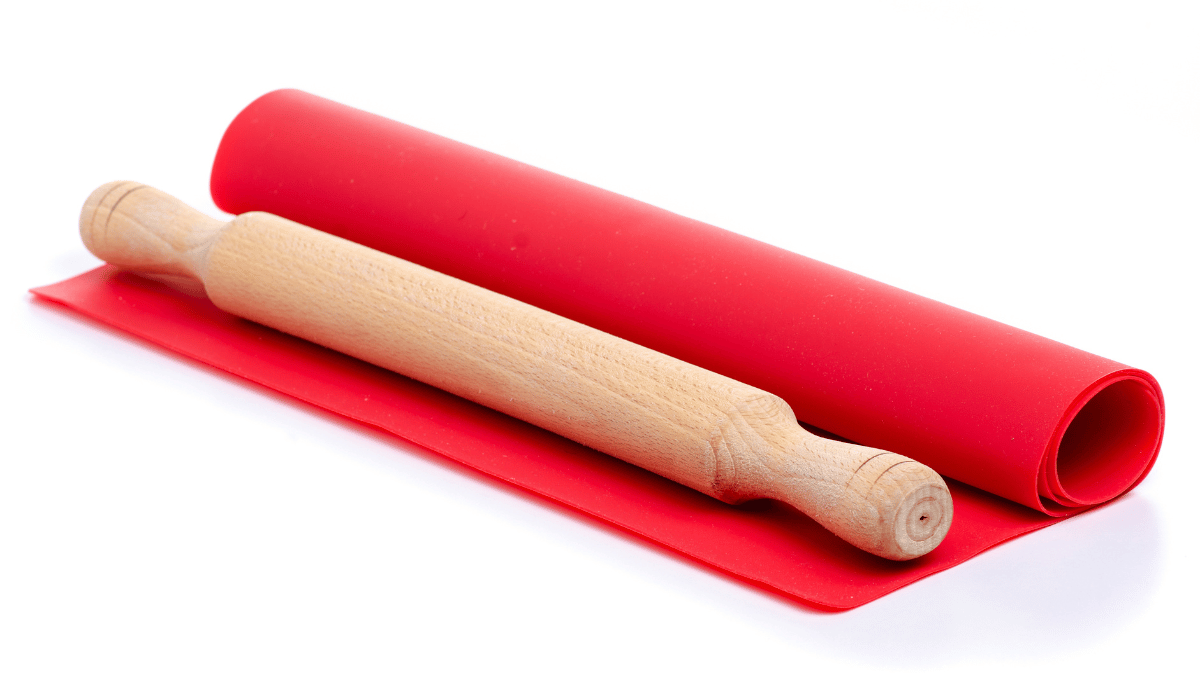
Silicone mats remove the chance of contact with a PFAS coating altogether. A silicone mat is nonstick because of the material itself, so no chemical layer sits on top of it to scratch, flake, or degrade. Notably, silicone mats also don’t rust or corrode over time.
Silicone is not always chemically inert, to be clear. Researchers have found that some silicone bakeware can release small amounts of compounds called siloxanes, mostly during the first few uses. A Canadian government study published in 2025 found that siloxane release dropped by about 95% by the third bake, so prepping a new mat before use with food eliminates much of that potential exposure. European consumer testing has also shown how much quality varies from one mat to another, with unbranded marketplace products performing worst.
None of this has been linked to demonstrated harm, and the leading regulators consider food-grade silicone a safe choice. But these findings are a good reason to read the label, buy a well-made mat, and break it in properly before use.
Compared with the PFAS nonstick coating on a metal baking pan, silicone leaves less to worry about and gives you more control. The sections below explain how to tell a good silicone mat from a poor one, starting with how they are made.
How to Select Mats: Manufacturing and Construction
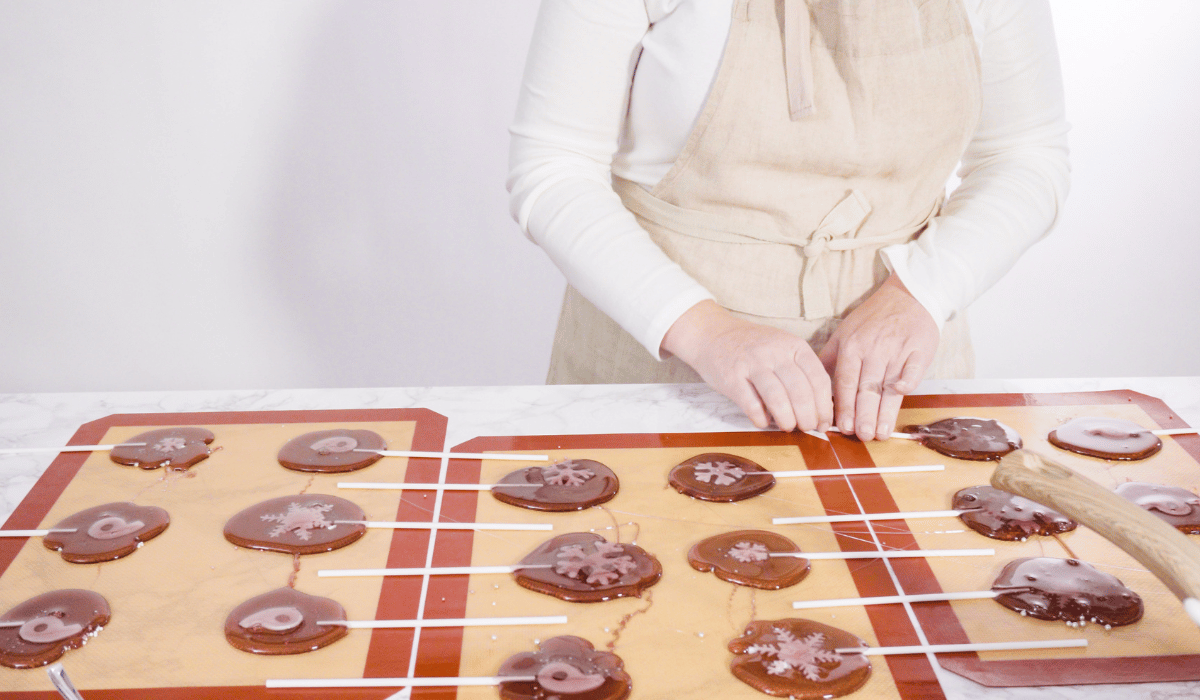
An important component to look for in a silicone baking mat is its finish. Curing transforms liquid silicone into solid rubber, and there are two common ways that manufacturers accomplish this. The first is with peroxide curing. This process is cheaper, but it can leave byproducts behind, and the customer may end up with a chemical smell or taste from their mats.
Another common way to cure silicone is with a platinum finish. This method is more expensive for the manufacturer, but it creates a better end result: no byproducts or chemical residues, and it also improves the tear resistance and tensile strength of the silicone. When buying a baking mat, always look for platinum curing if you can.
Beyond curing, silicone baking mats come in two build types, and the difference shapes everything from heat performance, to product strength and longevity, to how you must clean and care for the mats. Each build offers a set of features the other cannot provide, so it’s important to understand the demands and use cases for each type of baking mat before purchase.
Fiberglass-reinforced mats wrap a woven glass mesh in silicone. The mesh keeps the mat flat and sturdy, and testers credit it with even baking. Fiberglass-reinforced mats usually have a higher heat rating than pure silicone, making them the better choice for certain types of baking needs, such as making a pizza crust.
The trade-offs are practical. It is generally recommended to not cut fiberglass-reinforced mats, because mesh fibers might reach the food. It’s also a good idea to wash these mats by hand to prevent fraying. This means mesh baking mats can hold onto the oil and odors that the higher temperatures and longer wash time in a dishwasher would be more likely to remove.
Pure silicone mats are constructed from a single layer of material without structural support, but also without the drawbacks of materials that can fray or shed into your food or the overall kitchen environment. Pure silicone mats have a nonporous surface, and they are dishwasher safe, meaning they are less likely to retain oils or develop odors with long-term use. Although a baker who is accustomed to using fiberglass may perceive a pure silicone mat as floppy, their absence of added structure is a feature, not a bug. Pure silicone mats are intentionally more flexible than fiberglass, and they can be trimmed to fit a tray or dish of any shape or size.
Summary: Pure silicone mats may suit people who dislike mesh, want to trim a mat for round pans, or want a surface that cleans easily without holding odors. Mesh mats may suit people who bake at very high heat or roll a lot of dough.
Using Your Baking Mats Safely
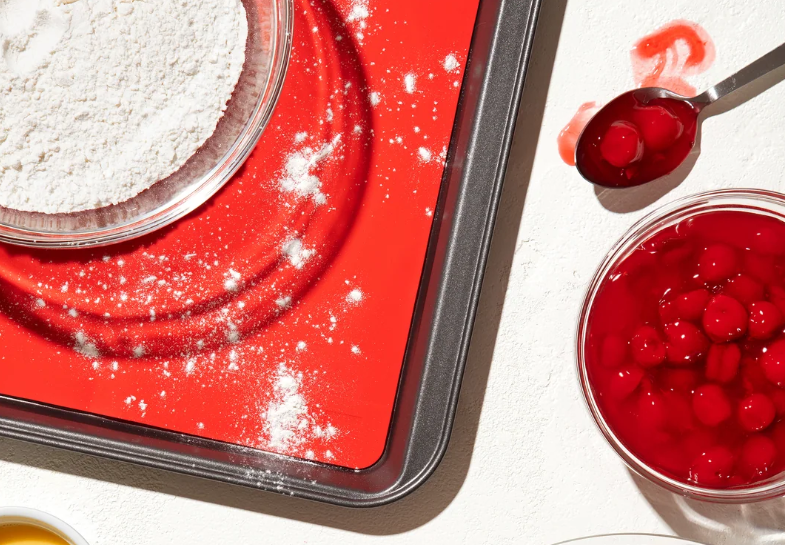
Whichever silicone mat you choose, a few habits can maximize its safety. Wash a new mat and run it through a few bakes in a ventilated kitchen before it holds food. Keep to the brand’s stated temperature limit, and never use a mat under a broiler, over an open flame, or directly on an oven rack. Replace any mat that is cut, torn, or worn through to the mesh, and hand-wash fiberglass mesh mats to prevent fraying. When you shop, favor makers that document their safety compliance, and be wary of unbranded marketplace mats, which have done poorly in European safety tests.
Non-Toxic Silicone Baking Mats at a Glance
| Brand | Build | Average Price | Max Temp | Size | Cut to fit |
| Silpat | Fiberglass Mesh | $30 | 500°F | 11.6 x 16.5 | No |
| Amazon Basics | Fiberglass Mesh | $15 | 480°F | 11.6 x 16.5 | No |
| OXO | Fiberglass Mesh | $25 | 450°F | 11.6 x 16.5 | No |
| USA Pan | Fiberglass Mesh | $25 (Set of 2) | 500°F | 9 x 12 | No |
| GIR | Pure Silicone | $11 | 450°F | 9 x 12 | Yes |
| Our Place | Pure Silicone | $39 (Set of 2) | 450°F | 9 x 12 | Yes |
| Five Two | Pure SIlicone | $15 | 550°F | 9 x 12 | Yes |
Brand Comparisons: Fiberglass-Reinforced Mats
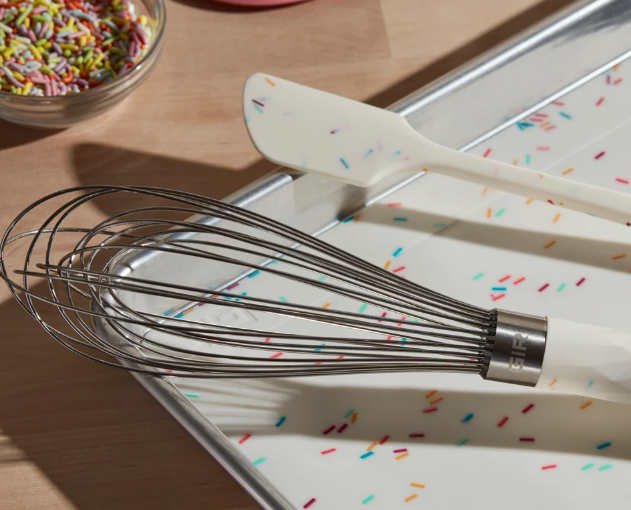
These are the mats with the widest variety on the market. Their higher heat rating and ability to use them without the added reinforcement of a baking sheet make them a common choice.
Silpat is the original and the pick most testers name first. Food & Wine calls it the best overall mat at about $30, noting that it conducts heat well, is sealed at the edges, and has a tinted center that hides discoloration. Food Network and “America’s Test Kitchen” also rank it at the top. The maker lists FDA, NSF, and Kosher certification and a heat rating of 480°F, while Food & Wine lists 500°F, so check the label on the mat you buy. The downsides are price and a tacky feel that develops over time, which does not affect flavor.
Amazon Basics earns Food & Wine‘s best-value label at roughly $14 to $16 and a heat rating of 480°F. “America’s Test Kitchen” found it performed comparably to Silpat. Food & Wine saw some staining with repeated use that did not affect baking.
OXO mats cost about $25 and top out at 450°F. Food & Wine ranks this brand best for cookies because of its even browning, and they observed that the OXO mat’s sturdy build held up well after coming in contact with metal utensils. Its surface grip is weak, though, so it slides when you roll dough on it.
USA Pan sells a two-pack for about $25 and rates to 500°F. Food & Wine describes the silicone as platinum grade over a fiberglass mesh, which shows that platinum curing and mesh reinforcement can go together. It is smaller than other fiberglass builds, coming in at 9 x 12 inches, compared to the standard size of 16.5 x 11.5 inches.
Brand Comparisons: Pure Silicone Mats
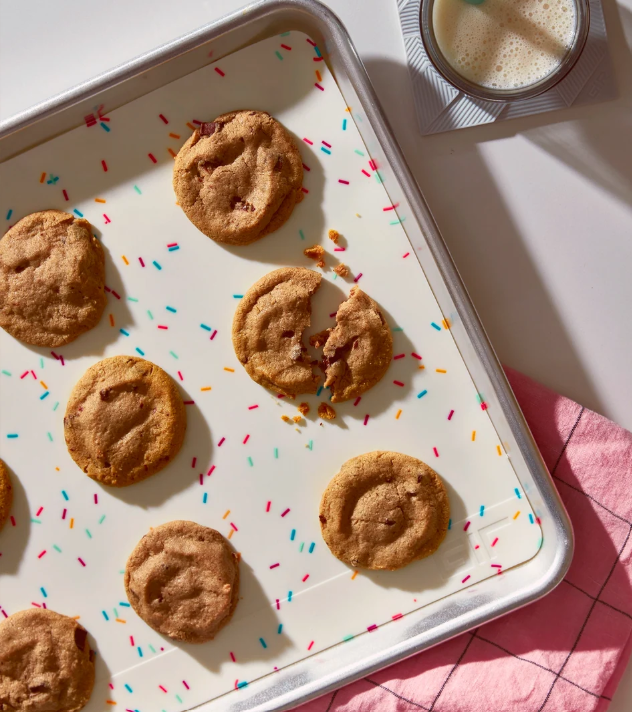
Pure silicone mats answer the fiberglass concern by leaving the mesh out. This construction choice is not as widely available as the mesh mats, so this review group is smaller.
GIR is the lower-priced option of the two platinum-grade silicone mats in our comparison, sitting at $11. Despite the low price tag, its mat is 100% platinum-cured, pharmaceutical-grade silicone and is heat rated to 450°F. Food & Wine named it the best customizable mat, describing it as pliable and trimmable to fit anything from a bundt pan to a casserole dish. The same review found it dishwasher safe, easy to clean of stubborn residue, and able to handle oven heat without smoking or melting.
Our Place sells a two-pack of platinum-grade silicone mats that range in price from about $39 to $45. Food & Wine liked the one-inch checkered grid for judging cookie spacing and noted the nonporous surface does not absorb oil and odors the way mesh mats can. They are heat rated to 450°F, but there are three points to consider: The checkered grid shows grease over time, the mats do not roll up tightly, and they are sold only through the brand directly.
Five Two is the standout choice for surface grip. Priced at $15 and heat rated to 550°F, this was the only pure silicone mat that stayed completely put while testers rolled out thick, tacky dough, no matter the angle they worked it from, according to the Food Network. A printed grid on this mat helps with measuring dough, cutting straight lines and right angles, and cookies baked evenly and released cleanly. This brand comes with several caveats, however: Their product comes with no transparency regarding silicone grade, whether it is platinum cured, or whether they have any food-contact safety certifications.
In Conclusion
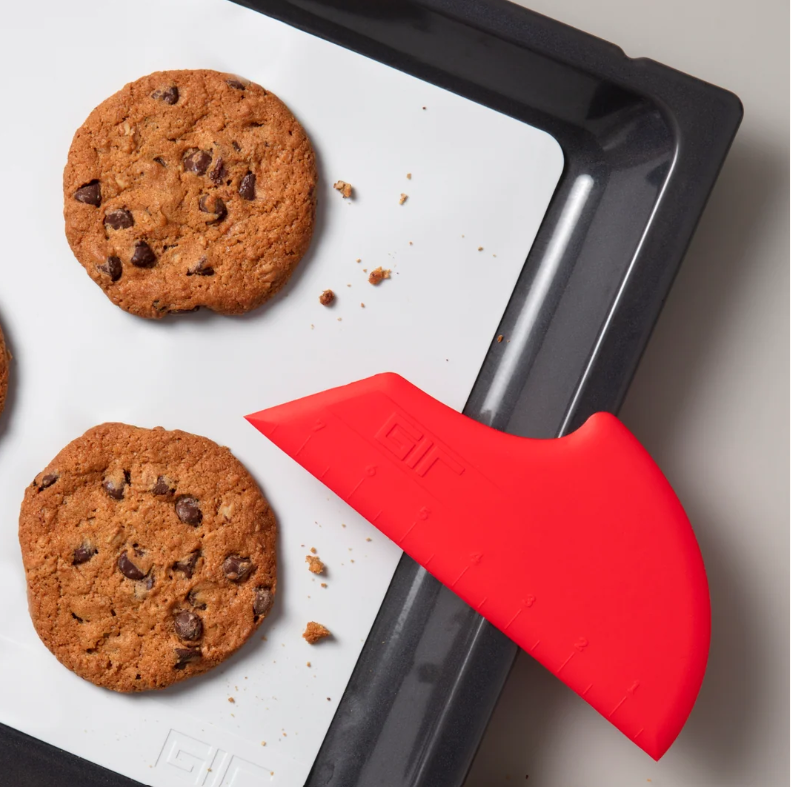
Swapping a PFAS-coated baking sheet for a silicone mat removes one source of chemical exposure from the kitchen, and it asks little of the baker. Silicone is not risk-free, but the research points to the first few uses as the period of greatest siloxane release, which a few break-in bakes can reduce.
Fiberglass-reinforced options like Silpat suit high heat and heavy dough work, while pure silicone mats suit bakers who want a trimmable, easy-to-clean surface. Among the pure silicone choices, GIR pairs platinum curing with a cut-to-fit build at the lowest price in this comparison, while Our Place and Five Two bring their own strengths in grid design and surface grip.
The quality of your mat matters as much as the material, so look for platinum curing, a stated temperature limit, and a maker that documents its safety compliance when you shop. After that, the right mat depends on how you bake.