
If you’re staring at your 9-month-old and wondering whether you’re really supposed to just hand them a piece of “real food” and trust they won’t choke, you’re not alone. This transition from purees to finger foods feels like a huge leap, and the fear of choking can make even the simplest foods feel risky.
Here’s what you need to know: this stage is much more manageable than it seems. Yes, there will be gagging (which is protective, not choking). Yes, most of the food will end up on the floor at first. And yes, your baby can handle way more than those two little teeth suggest. The key is knowing what “soft enough” actually means and having a solid list of options that work.
I’ve put together 25 finger foods that are genuinely safe for this age, including easy starters like Banana Spears and Avocado Strips, filling options like Scrambled Eggs and Well-Cooked Pasta, and nutrient-packed choices like Steamed Sweet Potato Wedges. Each one includes prep tips so you’ll know exactly what texture to aim for.
You’re already doing an amazing job by seeking out this information. Your baby is ready for this next step, and you’re going to handle it beautifully.
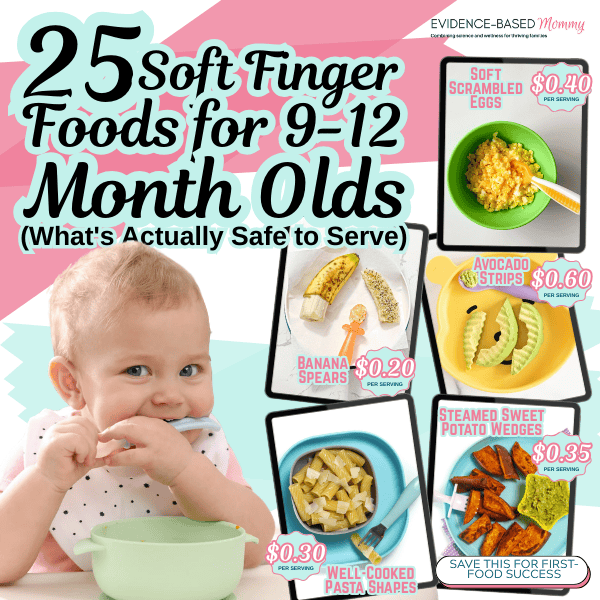
Table of Contents
1. Banana Spears

Bananas are perfect first finger foods because they’re naturally soft, easy to grip, and dissolve quickly in your baby’s mouth. Cut a banana in half, then slice each half lengthwise so your baby has a long piece to hold. Leave some of the peel on at one end if you want to create a built-in handle that makes gripping easier. The mushiness might seem too soft for picking up, but babies at this age are surprisingly good at squishing and gumming soft foods. If your banana is super ripe and sliding everywhere, try rolling the pieces in infant cereal or finely ground oats to add grip. Don’t worry when your baby squishes more than they swallow at first. They’re learning how food feels and building the motor skills to get it from hand to mouth.
2. Avocado Strips
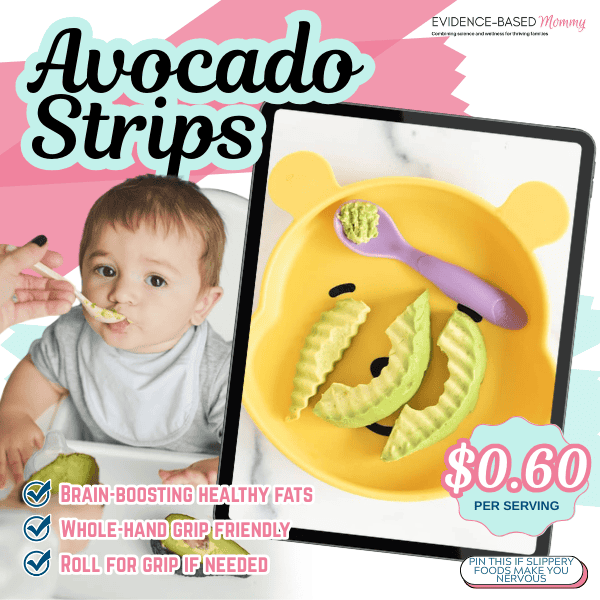
Wondering if your baby is ready for something slippery? Avocado is an excellent early food because it’s packed with healthy fats for brain development and has the perfect soft texture for gumming. Cut avocado into thick strips about the size of your finger, leaving the pieces large enough that your baby can grasp them with a whole hand and have food sticking out the top. The slipperiness is actually a feature, not a problem. It teaches babies to adjust their grip and work on fine motor control. You can coat the strips lightly in hemp hearts, ground flax, or crushed Cheerios if you want to add grip and nutrients. Some babies love avocado immediately, while others make wonderfully expressive faces before eventually accepting it.
3. Scrambled Eggs
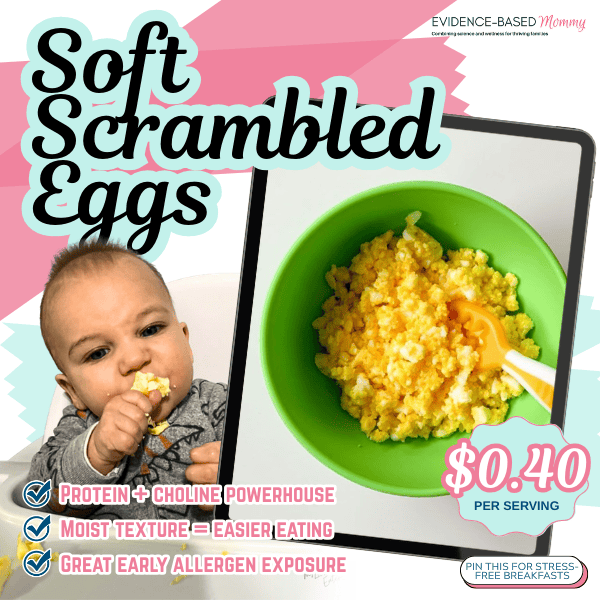
Eggs are one of the most nutritious foods you can offer, providing protein, healthy fats, and choline for brain development. Scramble eggs thoroughly until fully cooked, adding a splash of breast milk, formula, or water to keep them moist rather than rubbery. You can serve them in soft clumps that your baby can pick up with their whole fist, or make an omelet and cut it into strips. Keeping eggs slightly wet makes all the difference in how easily babies can manage them. Dry scrambled eggs turn into crumbly bits that can frustrate little ones still learning to eat. If you’re worried about allergies, current guidance actually recommends introducing eggs early and often. Just watch for any reaction the first few times, then add eggs to your regular rotation.
4. Well-Cooked Pasta

Your baby doesn’t need teeth to handle soft pasta. Short pasta shapes like rotini, penne, or rigatoni are easy for small hands to grasp and fun for babies to explore. Cook pasta until it’s very soft, well past the al dente stage adults prefer, and toss it with a small amount of olive oil, butter, or sauce to prevent sticking. They’ll use their gums to break it down, and the process helps strengthen the jaw muscles needed for chewing later. You can serve pasta plain at first, then gradually introduce it with mashed vegetables, a swirl of pesto, or a bit of tomato sauce. Don’t stress if most of the pasta ends up on the floor initially. Babies are learning about texture, temperature, and how to coordinate their hands. The nutritional benefit comes from what they actually swallow, but the developmental benefit comes from all of it.
5. Steamed Sweet Potato Wedges

Sweet potatoes become wonderfully soft when steamed and offer important nutrients like vitamin A and fiber. Cut sweet potato into thick wedges or sticks, steam until a fork slides through easily, then let them cool enough to handle. The natural stickiness helps babies grip them, and the mild sweetness is usually appealing even to cautious eaters. If your baby is struggling to pick up the wedges, try cutting them with the skin still on one side. The skin creates a firmer edge that’s easier to grasp, though you’ll want to make sure the flesh is soft enough that the skin peels away easily when gummed. You can also roast sweet potato wedges with a tiny drizzle of olive oil for a different flavor, just make sure they’re fully tender, not crispy.
6. Steamed Broccoli Florets
It’s completely normal for babies to grab the broccoli stalk like a handle and gum the soft florets off the top. Steam broccoli until the florets are very tender and the stems bend easily, then let them cool. The tree-like shape makes broccoli engaging for babies to hold and explore, even if they don’t eat much at first. Bigger pieces actually work better than small chopped florets because babies can hold onto the stem portion while working on the top. Don’t be surprised if your baby sucks on the broccoli, drops it, picks it up again, and eventually gets some actual food down. That’s exactly how they learn. If broccoli gets rejected initially, keep offering it alongside foods your baby already likes. Repeated exposure matters more than immediate acceptance.
7. Whole Milk Yogurt
Yogurt works beautifully as a first finger food when you let your baby scoop it themselves or pre-load a spoon for them to grab. Choose plain whole milk yogurt without added sugars, and consider Greek yogurt for extra protein and a thicker texture that’s easier to scoop. You can offer yogurt in a small bowl and let your baby explore with their hands, or spread it on strips of toast for a less messy option. The mess is absolutely worth it because self-feeding builds independence and fine motor skills. If you want to add flavor, stir in mashed banana, a bit of nut butter, or some pureed berries rather than buying pre-sweetened varieties. Your baby doesn’t need teeth to enjoy yogurt, and the probiotics support digestive health as they transition to more solid foods.
8. Shredded Chicken
Chicken breast might seem too advanced, but when it’s properly prepared, it’s perfectly safe for gumming. Cook chicken thoroughly, then shred it finely so you have small, soft pieces rather than chunks. Mix the shredded chicken with a bit of plain yogurt, mashed avocado, or breast milk to add moisture and make it easier to swallow. Dry chicken is difficult for babies to manage and can cause gagging, but moistened shredded chicken breaks apart easily in their mouths. You can also serve chicken mixed into something like mashed sweet potato or stirred into a grain like quinoa. Start with very small amounts to see how your baby handles the texture. They might spit some out at first while learning how to move it around their mouth, and that’s completely fine. It’s all part of the learning process.
9. Ripe Pear Slices
A ripe pear should yield slightly when you press the neck, and when you cut into it, a fork should slide through easily. Pears offer natural sweetness and beneficial fiber, but they need to be ripe and soft for safe finger feeding. Cut a pear into thick slices or wedges, removing the core and any tough skin if needed, though some babies manage thin pear skin just fine. If your pears are underripe and still firm, steam them lightly until they soften. The slippery texture can be challenging, so some parents leave a strip of peel on as a handle or dust the pear lightly with infant cereal for grip. Don’t worry if your baby mostly sucks on the pear and doesn’t seem to swallow much. They’re getting juice, flavor, and important sensory experience.
10. Small Cheese Cubes
Cheese provides calcium, protein, and healthy fats in a form that most babies find appealing. Choose soft or semi-soft varieties like mozzarella, mild cheddar, or Monterey Jack, and cut them into small cubes about the size of a chickpea. Harder cheeses can be grated instead, which makes them easier for babies to pick up and dissolve. Some babies do better with cheese that’s slightly melted, like shredded cheese stirred into warm pasta or vegetables, because the softer texture is easier to manage. Avoid processed cheese products with added sodium and opt for real cheese in small amounts. Your baby will likely squish the cheese cubes at first, and that’s actually helpful. The squishing helps them understand how hard to bite down. Watch for any signs of dairy sensitivity, though most babies tolerate cheese well.
11. Flaky White Fish
Fish might not be on your radar yet, but mild white fish like cod or tilapia is naturally soft and flakes into perfect baby-sized pieces. Bake or steam the fish until fully cooked, and it flakes easily with a fork, then break it into small pieces and check meticulously for any bones. Mix the fish with a bit of mashed potato or avocado if it seems too dry, or serve it alongside other familiar foods. The omega-3 fatty acids in fish support brain and eye development, making it worth introducing even if your baby seems unsure at first. Make sure each piece is small enough that if swallowed whole, it wouldn’t pose a risk. Start with one or two small pieces to see how your baby manages the texture before offering more.
12. Toast Strips with Nut Butter
Toast might seem ordinary, but it’s an excellent vehicle for nutrients when topped with thin spreads. Cut whole-grain toast into strips about the width of your finger, then spread a very thin layer of smooth peanut butter, almond butter, or sunflower seed butter on top. The key is thin enough that it won’t clump in your baby’s mouth but thick enough to add protein and healthy fats. You can also mash banana or avocado onto toast for variety. Toast softens as babies gum it, especially if they’re drinking water or milk alongside it, so it becomes easier to swallow. If your baby struggles with regular toast texture, try it very lightly toasted so it’s crispy on the outside but still soft inside, or make French toast with egg for added protein and a softer texture.
13. Cooked Lentils
Red lentils work particularly well because they cook quickly and become very soft. Lentils are easier for babies to handle than you’d think, especially when they’re well-cooked and slightly mashed. Prepare lentils until they’re falling apart tender, then let your baby scoop them with their hands or pre-load a spoon. Mix lentils with a bit of butter or olive oil for easier scooping, or stir them into mashed sweet potato to create a texture that holds together better. Lentils provide plant-based protein, iron, and fiber, nutrients that are increasingly important as babies eat more solids and drink less breast milk or formula. The mess factor is high, but so is the nutritional payoff. Your baby will get better at actually getting lentils into their mouth rather than everywhere else with practice.
14. Roasted Butternut Squash Cubes
Butternut squash becomes incredibly soft and naturally sweet when roasted, making it appealing even to babies who are cautious about vegetables. Peel and cube the squash, toss with a tiny amount of olive oil, and roast until a fork slides through effortlessly. Let the cubes cool, then offer them as finger foods your baby can pick up one at a time. The cubes will be soft enough to squish easily but firm enough to grasp, which is the perfect texture for this age. You can also mash roasted squash and spread it on toast strips, or mix it with a bit of cinnamon for extra flavor. If your baby doesn’t love it immediately, keep offering it. Sometimes babies need to see a food ten or more times before they’re willing to try it, and that’s developmentally normal.
15. Ground Beef or Turkey
Ground meat becomes perfectly soft for gumming when it’s cooked thoroughly and kept moist. Brown ground beef or turkey completely, breaking it into very small crumbles as it cooks, then mix with a bit of bone broth, tomato sauce, or mashed vegetables to add moisture. Dry ground meat can be difficult for babies to manage and may cause gagging, but when it’s moistened and broken into tiny pieces, babies can gum it successfully. You can mix ground meat into mashed potatoes, stir it into pasta, or serve it alongside other soft foods. The iron in red meat is especially well-absorbed by babies’ bodies, which matters because iron stores from birth start declining around six months. If your baby spits some out initially, that’s typical. They’re learning how to move this new texture around their mouth and swallow it safely.
16. Mashed White Beans
White beans like cannellini or great northern beans turn incredibly creamy when mashed and offer protein, fiber, and iron. Cook beans until very soft, then mash roughly with a fork so some texture remains, but there are no whole beans that could pose a choking risk. Mix the mashed beans with a drizzle of olive oil, a squeeze of lemon, or a bit of garlic powder for flavor. Your baby can scoop the beans with their hands, or you can spread them on toast strips for easier handling. Canned beans work fine if you rinse them thoroughly to reduce sodium. The texture is similar to hummus, which makes beans approachable for babies who are still getting used to foods that aren’t pureed. Let your baby make a mess exploring how the beans feel and taste.
17. Soft Meatballs
Meatballs sized smaller than a golf ball give babies something substantial to hold while they gum pieces off. Mix ground meat with egg, breadcrumbs or oats, and finely minced cooked vegetables, then form into small balls and bake until cooked through. The added ingredients keep the meatballs moist and tender rather than dense. You can make a big batch and freeze it for quick meals later. Cut each meatball in half before serving so your baby can see the inside and bite or gum pieces more easily. When my oldest was learning to eat, I made batch after batch of dry, dense meatballs before finally figuring out that adding grated zucchini or mashed sweet potato made all the difference in keeping them tender. Serve meatballs with a dipping sauce like plain yogurt or marinara for added moisture and flavor.
18. Steamed Cauliflower Florets
Cauliflower steams into a tender, mild-flavored vegetable that works well for babies still deciding how they feel about different textures. Break cauliflower into florets with some stem attached for easier gripping, steam until very soft, and let cool. The neutral flavor makes cauliflower easy to pair with almost anything, and you can mash it with butter or cheese for added appeal. Some babies love cauliflower plain, while others prefer it mixed into something familiar like mashed potatoes or stirred into pasta. Don’t be discouraged if cauliflower gets rejected initially or if your baby just holds it and doesn’t eat much. Exploring new foods is developmental work, even when not much gets swallowed. Keep offering it in different forms to see what clicks.
19. Ripe Mango Strips
Mango needs to be very ripe and soft for safe finger feeding, yielding easily when you press it gently. Cut the mango into thick strips or spears that your baby can grasp with a whole fist, leaving pieces large enough that food sticks out the top for gumming. Fresh mango is incredibly slippery, so many parents roll the strips in unsweetened shredded coconut or infant cereal to add grip. The sweetness usually appeals to babies immediately, and mango provides vitamin C and vitamin A for immune and eye health. Your baby will likely get mango juice everywhere before successfully eating much, which is completely fine. They’re learning to adjust their grip on slippery foods and coordinate getting food to their mouth. Frozen mango chunks that have been thawed slightly can also work well, especially for teething babies who appreciate the cold sensation.
20. Cottage Cheese
Cottage cheese works beautifully for babies learning to self-feed because they can scoop it with their hands or you can pre-load a spoon for them to grab. Choose full-fat cottage cheese and look for small curd varieties, which have a slightly finer texture that may be easier for babies to manage. You can serve cottage cheese plain or mix it with mashed fruit for added flavor and nutrition. The lumpy texture helps babies learn to move food around their mouths, and the high protein content supports growth. If cottage cheese seems too wet and your baby is struggling to get much in their mouth, you can drain some of the liquid off or mix in a bit of infant cereal to thicken it. Let your baby explore the texture, even if most ends up on the high chair tray at first.
21. Soft Cooked Carrots
Carrots transform from a choking hazard to a perfect finger food when they’re cooked until very tender. Peel carrots, cut them into thick sticks or rounds, and steam or boil them until a fork slides through with no resistance. Raw or undercooked carrots are too hard for babies this age, but properly cooked carrots become soft enough to gum safely. The natural sweetness usually appeals to babies, and carrots provide beta-carotene that the body converts to vitamin A. You can roast carrot sticks with a tiny bit of olive oil for a different flavor, or cook them in bone broth for added nutrients. Make sure to test each piece yourself before serving to confirm it’s truly soft enough. If you can mash it easily between your tongue and the roof of your mouth, it’s ready for your baby.
22. Whole Grain Pancakes
Pancakes made with whole-grain flour offer more nutrients than white flour versions and become wonderfully soft when cooked through. Make pancakes slightly smaller than usual, or cut regular-sized pancakes into strips that are easy for small hands to hold. You can add mashed banana, grated apple, or pureed pumpkin to the batter for moisture and nutrition. Skip the syrup and instead spread a thin layer of nut butter, mashed berries, or plain yogurt on top. Pancakes are excellent vehicles for exposing babies to whole grains, which provide B vitamins and fiber. They also work cold, making them convenient for meals away from home. If your baby struggles with plain pancakes, try tearing them into smaller pieces or serving them alongside something wet, like yogurt or applesauce that helps with swallowing.
23. Cooked Quinoa
Quinoa might seem too small for babies to pick up, but they surprise you with their ability to rake tiny grains together and get them to their mouths. Cook quinoa until very soft with extra water to create a slightly sticky texture that clumps together naturally. Serve it plain or mixed with mashed vegetables, a bit of butter, or shredded cheese to make it more appealing and easier to scoop. The complete protein in quinoa makes it especially valuable for babies, and it provides iron that’s important during this rapid growth phase. You can also form quinoa into small patties by mixing cooked quinoa with egg and pan-frying them, creating something easier for babies to grasp. Expect some to end up scattered on the floor, but know that the coordination practice is worth it.
24. Soft Pita Bread
Pita bread tears into manageable strips and has a soft, tender texture that’s easier for babies to gum than crusty bread. Warm pita slightly to make it more pliable, then tear it into strips about the width of two fingers. You can spread hummus, mashed avocado, or cream cheese thinly on the strips, or serve plain pita alongside other foods for dipping and exploring. The pocket in pita bread isn’t useful yet since babies can’t stuff food inside successfully, but the soft flatbread itself works wonderfully. If regular pita seems too chewy, look for thin pita or lavash bread, which are even softer. You can also tear pita into smaller pieces if your baby is struggling with longer strips. The goal is pieces large enough to grasp but not so large they’re overwhelming.
25. Melon Pieces
Watermelon and cantaloupe become perfectly soft finger foods when they’re ripe and cut appropriately. Cut melon into thick sticks or triangular wedges with rind left on one side to create a handle, making sure pieces are large enough for your baby to grasp with some sticking out the top. Remove all seeds carefully, checking each piece before serving. The high water content makes melon hydrating on hot days, and the natural sweetness appeals to most babies immediately. Your baby will likely suck most of the juice out before actually swallowing much melon flesh, and that’s okay. They’re getting hydration, natural sugars for energy, and vitamins like vitamin C. The slippery texture teaches grip adjustment, even if it means the melon slides everywhere initially. Keep a washcloth handy because melon is delightfully messy, but the sensory experience is valuable for your baby’s development.
You’re Ready for This
That worry about just handing your 9-month-old “real food” and trusting they won’t choke? Now you know exactly what soft enough looks like, and you have 25 solid options that actually work for this stage. You’re not going in blind anymore.
Start simple with Banana Spears or Avocado Strips for your first few meals. Both are naturally soft, easy to grip, and forgiving if your baby isn’t quite ready to chew yet. Add Scrambled Eggs or Steamed Sweet Potato Wedges once you’re feeling more confident. You don’t need to tackle all 25 at once.
Yes, there will be gagging, and that’s protective. Yes, most of the Sweet Potato will end up in their hair. But those messy high chairs and food-covered faces? That’s not failure. That’s your baby learning to feed themselves, building coordination, and discovering new flavors.
Trust yourself. You and your baby are going to figure this out together. Happy feeding!