
If you’re feeling nervous about handing your six-month-old a piece of food and just letting them figure it out, you’re not alone. That moment when you’re standing there, holding a steamed carrot or a piece of avocado, wondering if you’re about to do something dangerous? Completely normal. The gap between knowing your baby should start solids and actually feeling confident about what to serve is huge.
The good news? This gets so much easier once you have a solid list of safe, actually manageable options. You don’t need fancy recipes or special baby food. You need foods cut the right way so that your baby can safely explore, even with no teeth.
I’ve put together 30 finger foods that work for babies just starting solids, including easy wins like Steamed Sweet Potato Sticks and Banana Spears, along with options you might not have considered safe yet, like Avocado Slices and Steamed Broccoli Florets. Each one includes how to prepare it safely and what to expect when you serve it.
Your baby is ready to explore food, and you’re ready to let them. The fact that you’re here, learning how to do this safely, means you’re already doing this right.
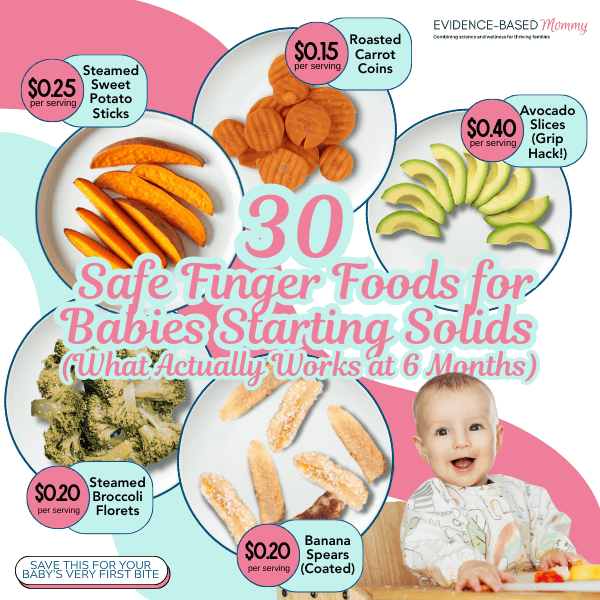
Table of Contents
1. Steamed Sweet Potato Sticks
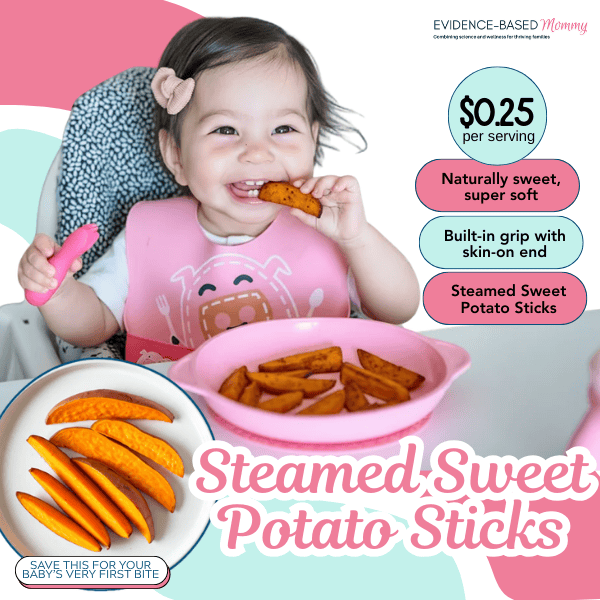
Sweet potato is one of the gentlest first foods you can offer. Steam thick sticks (about the size of an adult pinky finger) until they’re soft enough that you could mash them between your tongue and the roof of your mouth. That’s the texture you’re aiming for. The natural sweetness appeals to most babies, and the soft texture makes gagging less likely as they learn to move food around their mouths. Leave the skin on one end so your baby has something to grip without the whole piece squishing through their fingers. If your baby just squishes it everywhere, that’s completely normal. They’re learning what food feels like before they learn what to do with it.
2. Roasted Carrot Coins
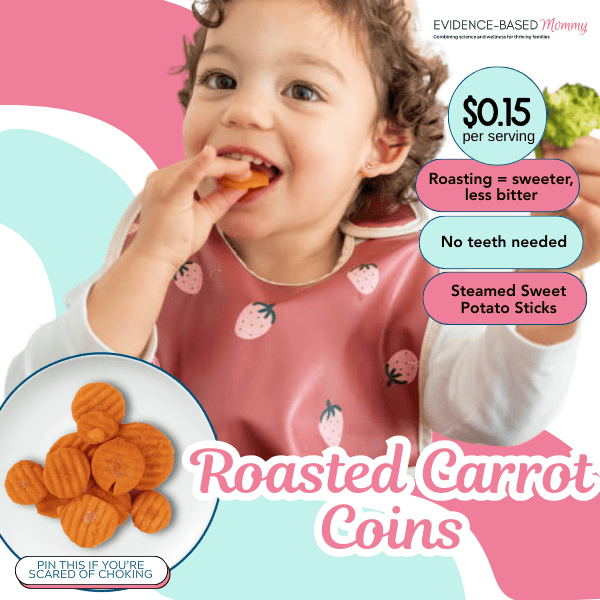
Wondering if your baby needs teeth to eat vegetables? They don’t. Roast thick carrot coins (at least half an inch) at 400°F until they’re fork-tender. The roasting brings out natural sweetness that babies typically prefer over steamed carrots’ sometimes bitter edge. Make sure they’re soft enough to squish easily between your fingers. Your baby will use their gums to mash the carrot, and you’ll probably notice them working it around their mouth for a while before swallowing. That’s exactly what they should be doing. Store extras in the fridge and reheat gently, since they actually get a bit softer after a day.
3. Avocado Slices
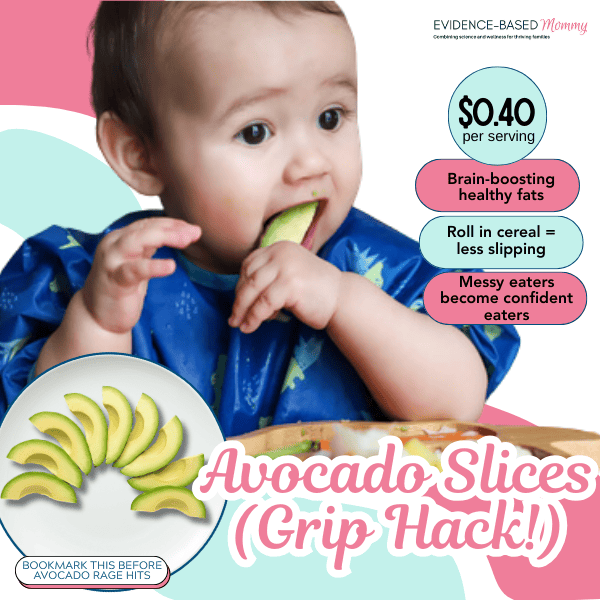
If your baby is struggling to pick up slippery foods, avocado will teach you both some patience. Cut thick slices (about the width of your thumb) and leave a bit of the peel on as a handle, or roll the slices in infant cereal or finely ground oats to create a less slippery coating. Avocado is nutritionally perfect for babies, loaded with healthy fats their growing brains need. It’s also soft enough that there’s virtually no choking risk. Don’t worry if most of it ends up smeared on your baby, the high chair, and possibly the wall. The ones who made the biggest mess often became the most confident eaters later.
4. Steamed Broccoli Florets
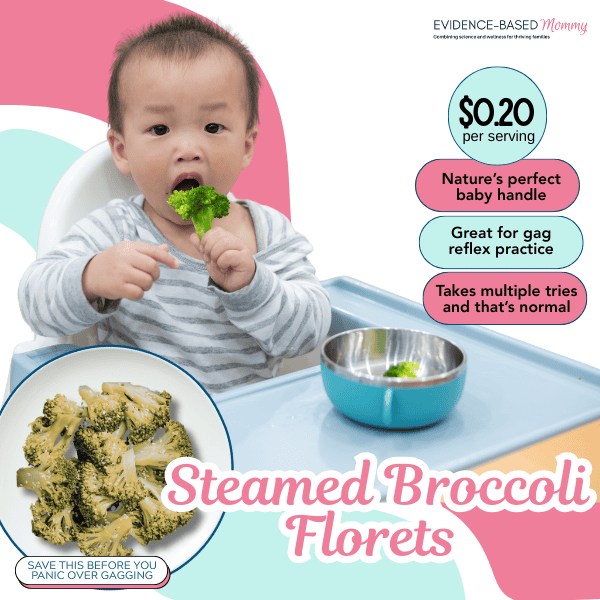
The floret is nature’s perfect baby handle. Steam large broccoli florets until the stems are very soft but the tops still hold together. Babies naturally grab the floret part, and their gums can work on the softer stem. Some babies love gnawing on the textured top, others prefer sucking on the stem. Both approaches are fine. You might notice your baby gagging on a stringy piece. That’s their body working exactly as it should, pushing food forward that they’re not ready to swallow. Broccoli’s strong flavor means some babies need multiple exposures before accepting it, so don’t give up after one rejected attempt.
5. Banana Spears
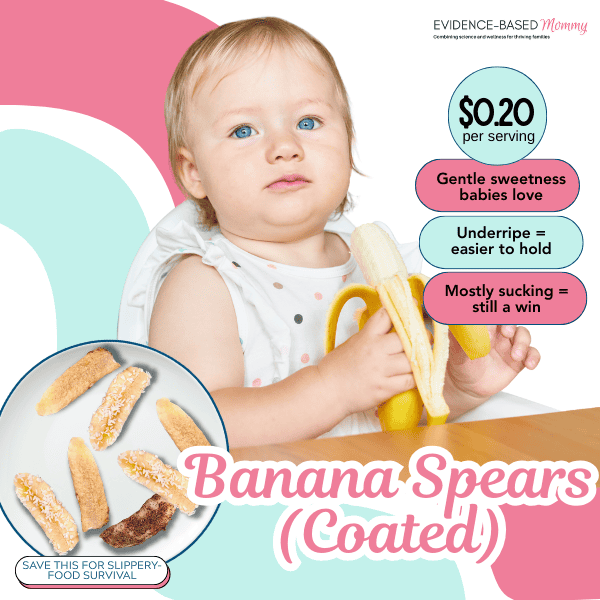
Bananas are trickier than you’d think because they’re so slippery. Cut a banana in half, then slice each half lengthwise so you have four long spears. Roll them lightly in crushed infant cereal, unsweetened shredded coconut, or ground flax to give your baby something to grip. Slightly underripe bananas work better than very ripe ones since they hold their shape. You’ll see your baby mostly gum and suck on these at first, which is perfect. They’re getting used to the taste and texture without needing to actually bite pieces off. The potassium and natural sweetness make bananas a consistent favorite once babies figure out the grip.
6. Cucumber Sticks (Peeled)
On hot summer days or during teething, a cold cucumber feels amazing on sore gums. Peel thick cucumber sticks and remove the seedy center, leaving just the firm outer flesh. The cool temperature and high water content make these especially appealing when your baby is uncomfortable. Cucumber has a very mild flavor that most babies accept easily. Make sure the sticks are thick enough that your baby can’t bite off chunks. They’ll mostly gnaw and suck on these, and that’s completely appropriate. Keep an eye on the ends as they soften from all that gumming. You can trim off any mushy portions if you’re concerned.
7. Soft Pear Slices
Ripe pears are naturally soft enough for beginning eaters. Cut thick slices with the peel left on one edge for grip. Bartlett and Anjou pears tend to be softer than Bosc varieties. If your pear feels hard, let it ripen on the counter for a few days until it gives slightly when pressed near the stem. The natural sweetness and juice make pears appealing to most babies, though you should expect a significant mess. Some parents worry about the sugar content in fruit, but babies need those natural sugars for energy. Fruit sugars come packaged with fiber, water, and nutrients, unlike processed sugars.
8. Loaded Baked Potato Wedges
Potatoes are the ultimate confidence builder for nervous parents. Bake thick wedges (skin on) until very soft, then top with a small amount of cheese, mashed beans, or Greek yogurt. The potato itself is safe and soft, while toppings add protein and flavor variety. Babies can hold the wedge, gnaw on it, and actually consume a decent amount since potatoes are so soft. Don’t worry about seasoning. Babies don’t need salt, but herbs like rosemary or mild spices introduce new flavors. These also work great as a meal component for the whole family.
9. Steamed Green Beans
Whole green beans are long enough for babies to hold while gnawing on the end. Steam them until very soft, roughly ten minutes. The string running along the side usually softens enough during cooking, but you can remove it if you’re concerned. Green beans have a mild flavor that most babies accept, though some initially make funny faces at the slightly squeaky texture. Your baby will probably suck on these more than actually eat them at first. That’s fine. They’re exploring texture and building the jaw strength needed for more challenging foods later. Frozen green beans work just as well as fresh.
10. Mango Strips
Ripe mango is slippery and sweet, which means your baby will love it and you’ll be cleaning up for a while afterward. Cut thick strips from the flatter sides of the mango, leaving some peel on as a handle. Make sure the mango is very ripe. It should give easily when you press it and smell sweet. The natural sugars and bright flavor appeal to most babies immediately. Mango also has enzymes that aid digestion, making it gentle on developing digestive systems. If the slipperiness frustrates your baby, you can score the flesh in a crosshatch pattern to give them something to grip without cutting all the way through.
11. Scrambled Egg Strips
You might think eggs are too risky for a six-month-old, but current guidance says most babies can try them right around this age. Cook eggs fully until no liquid remains, then cut them into strips your baby can grip. Add a small amount of breast milk or formula to make them softer and easier to manage. The protein in eggs supports growth, and they’re one of the few foods naturally containing vitamin D. Some babies prefer the texture of eggs cooked in a thin omelet and cut into strips rather than traditional scrambled. Watch for signs of allergy with first introduction, though most babies tolerate eggs without issue.
12. Ground Meat Patties
Meat intimidates parents more than almost any other food category. Mix ground beef, turkey, or chicken with some moisture (bone broth, breast milk, or mashed sweet potato works well) and form into thin patties. Cook thoroughly, then break into pieces about the size of a raspberry. The added moisture keeps the meat from being too dry and crumbly. Meat is harder for babies to manage, so later introduction around seven or eight months often works better. Don’t stress if your baby mostly mouths these at first. Iron from meat becomes increasingly important as babies approach nine months and their stored iron from birth depletes.
13. Toast Strips with Nut Butter
Common allergens like peanut butter can be introduced early, and toast strips make it safe. Spread a thin layer of smooth peanut, almond, or sunflower seed butter on lightly toasted bread (too-crispy toast can scratch gums), then cut into thick strips. The bread becomes easier to grip when lightly toasted, and the nut butter adds protein and healthy fats. Make sure the nut butter layer is thin. Thick, sticky nut butter is genuinely a choking hazard. Mix it with a bit of breast milk or mashed banana if needed to thin it out. This combination often becomes a breakfast staple because it’s quick, and babies can feed themselves while you drink your coffee.
14. Flaked Salmon
The omega-3 fatty acids in salmon support brain development, making it worth offering even if fish intimidates you. Bake or poach salmon until fully cooked and flaking easily. Break it into flat pieces about the size of a large postage stamp. Remove any bones carefully, though cooked salmon bones are usually soft. Salmon’s strong flavor means some babies need multiple exposures. Don’t interpret one rejection as permanent dislike. It can take ten or more exposures before babies accept new flavors, especially proteins with stronger tastes.
15. Whole Milk Yogurt Dots
Spoon small dollops of whole milk Greek yogurt onto a silicone mat and freeze them for about an hour. These frozen dots are perfect for teething babies and surprisingly easy to pick up once little fingers develop their pincer grasp. The cold provides gum relief while the yogurt melts quickly in their mouth, reducing any choking concern. Whole milk yogurt gives babies the fat their brains need, plus beneficial probiotics for gut health. Plain yogurt works best since babies don’t need added sugars, but you can mix in a tiny bit of mashed fruit if the tartness seems too much. These melt fast, so have a backup activity ready because your baby will finish them quickly and want more.
16. Watermelon Triangles
Remove all seeds and cut the watermelon into thick triangles with the rind left on as a handle. The high water content means watermelon is incredibly safe, since it dissolves almost instantly with saliva. Babies love gnawing on the firm rind while sucking juice from the pink flesh. This becomes especially popular during summer months or when babies are teething and want something cool. You’ll notice your baby doesn’t actually consume much watermelon at first. They’re mostly extracting the juice, which is completely fine. The rind gets softer as they chew it, but it typically doesn’t break into pieces small enough to swallow. Just make sure those triangles are big enough that the entire piece can’t fit in their mouth.
17. Lentil Cakes
Cook red lentils until mushy, then mix with a bit of mashed sweet potato or banana to bind them together. Form into small, flat patties and pan-fry in a tiny amount of oil until they hold their shape. Red lentils work better than green or brown because they break down completely, creating a softer texture. These provide plant-based protein and iron, both important as babies increase solid food intake. The cakes should be soft enough to squish between your fingers but firm enough to hold together when your baby grabs them. Don’t expect your baby to eat a whole cake. Breaking it into crumbs and exploring the texture counts as successful eating at this stage.
18. Bell Pepper Strips (Roasted)
Raw bell pepper is too hard and crunchy, but roasted until soft, it’s perfect. Cut thick strips and roast at 375°F until the skin blisters and the flesh is very tender. You can peel off the skin if you want, though soft roasted skin is usually fine. Red and yellow peppers are naturally sweeter than green ones, making them more appealing to babies just starting vegetables. The slightly slippery texture after roasting can be challenging for some babies to grip. If your baby gets frustrated, cut a small slit in each strip so they can thread their fingers through. Roasted peppers are also fantastic mixed into other foods like eggs or lentils once your baby is eating combinations.
19. Chicken Meatballs (Soft)
Ground chicken mixed with bread soaked in milk or broth creates tender meatballs that don’t dry out. Form them small, about the size of a walnut, and bake until cooked through. You can add finely minced vegetables like zucchini or grated apple for extra moisture and nutrition. The key is keeping these soft and moist since dry, crumbly meat is hard for babies to manage. Break each meatball into smaller pieces before serving, roughly the size of a blueberry. Adding a tiny bit of tomato paste to the mixture adds moisture and a subtle flavor that makes the meat more interesting. These freeze beautifully, so make a big batch.
20. Asparagus Spears
Steam thick asparagus spears until very soft, keeping the distinctive tip intact since babies love holding that part. Thicker spears work better than thin ones because they’re easier to grip and less likely to break into small pieces. The slightly stringy texture teaches babies to work food around their mouth and manage different consistencies. Some babies immediately love asparagus, while others need time to adjust to the distinct flavor. That’s normal with any vegetable that isn’t naturally sweet. Asparagus does make urine smell different, which surprises some parents when they’re changing diapers. It’s completely harmless, just a quirk of how bodies process certain compounds in the vegetable.
21. Cannellini Beans (Smashed)
Canned beans are completely appropriate for babies. Drain and rinse them well, then smash each bean slightly between your fingers so it flattens but doesn’t turn into mush. This creates a texture that’s easier for babies to pick up and less likely to roll away. White beans have a mild, creamy flavor that most babies accept easily. The protein and fiber support healthy growth and digestion. If your baby just squishes them at first, you’re not wasting food. That sensory exploration is part of learning to eat. Beans can cause some gas as babies adjust to the fiber, but this typically resolves as their digestive systems matured in my experience. Starting with small amounts helps.
22. Zucchini Sticks (Sautéed)
Slice zucchini into thick sticks and sauté in a small amount of olive oil until soft but not falling apart. The slight browning from sautéing adds flavor that steamed zucchini often lacks. Zucchini’s mild taste and soft texture make it approachable for most babies. The slightly slippery skin can be tricky to grip, so leaving one end unpeeled gives your baby something to hold. You might notice your baby eating more zucchini when it’s prepared this way versus steamed. The little bit of fat from cooking helps their body absorb fat-soluble vitamins and makes the texture more interesting. This works great mixed with other foods, too, once your baby is ready for combinations.
23. Cheese Sticks (Pasteurized)
Cut pasteurized cheese into thick sticks, about the width of your pinkie finger. Softer cheeses like mozzarella or mild cheddar work better than hard cheeses that might break into small chunks. Cheese provides calcium, protein, and fat that growing babies need. Some babies want to shove the whole stick in their mouth, which is why thick pieces work better than thin ones. They can gnaw on the end while holding the rest safely outside their mouth. If your baby tends to bite off large pieces, you can shred the cheese instead, making it impossible to get too much at once. Room temperature cheese is softer and easier to manage than cold cheese straight from the fridge.
24. Shredded Chicken (Moist)
Pull apart cooked chicken breast into very fine shreds, then toss with a bit of bone broth or sauce to keep it moist. Dry, stringy chicken is genuinely difficult for babies and often causes gagging. The moisture is essential. Chicken cooked in a slow cooker or instant pot tends to shred more easily and stay moister than baked or grilled chicken. Your baby will probably suck on these shreds more than chew them at first. That’s fine and actually safer as they learn to manage this texture. Dark meat chicken is naturally more moist than white meat, so thighs can work better than breasts if your baby struggles with the texture.
25. Pita Bread Strips
Lightly toast whole wheat pita bread and cut it into thick strips. The pocket in pita bread means the strips are slightly thicker and easier for babies to hold than regular bread. You can spread hummus, mashed avocado, or ricotta cheese on them for added nutrition and flavor. Pita becomes a vehicle for other foods, teaching babies early that different foods can be combined. The slightly chewy texture also provides more oral stimulation than very soft bread. Don’t worry if your baby mostly sucks on these at first. They’re extracting moisture and flavor while building the jaw strength needed for more complex chewing. Store extra strips in the freezer and toast from frozen when needed.
26. Cooked Apple Slices
Raw apple is a choking hazard, but cooked apple slices are wonderfully safe and sweet. Peel and slice apples thickly, then simmer or bake until completely soft. You can add a tiny sprinkle of cinnamon if you want to introduce spices. The natural sweetness intensifies during cooking, making these appealing even to babies who initially reject other fruits. Cooked apples also contain pectin, which can help with digestion. Some babies prefer them warm, others like them cold from the fridge. Test both to see what your baby gravitates toward. These also blend beautifully into oatmeal or yogurt once your baby is comfortable with mixed textures.
27. Tofu Sticks
Extra-firm tofu cut into thick sticks provides plant-based protein with a neutral flavor that takes on whatever you cook it with. Press the tofu to remove excess water, then bake or pan-fry until the outside is slightly firm but the inside stays soft. Plain tofu works fine, but a light brush of low-sodium soy sauce or a sprinkle of nutritional yeast adds flavor. The texture is unique, neither mushy nor firm, which some babies love and others need time to accept. Tofu is also one of few plant foods containing all essential amino acids, making it nutritionally valuable for babies eating less meat. It crumbles under pressure, so pieces naturally break down into safe sizes as your baby manipulates them.
28. Oat Pancakes
Mix mashed banana with egg and a bit of oat flour to make simple, soft pancakes. Cook them slightly smaller than adult pancakes, about the size of your palm, and make them thick rather than thin. The banana provides natural sweetness and moisture, while oats add fiber and staying power. These are soft enough for beginning eaters but substantial enough that babies feel satisfied. Cut them into strips or leave whole, depending on your baby’s grip strength. They freeze well, so making a big batch means quick breakfasts for weeks. They’re also great for practicing self-feeding because they’re not slippery or crumbly.
29. Cottage Cheese Scoops
Whole milk cottage cheese has a unique texture that teaches babies to manage small, separate pieces rather than uniform strips or chunks. Put a small spoonful on their tray and let them explore picking up individual curds. The high protein content makes this more substantial than regular yogurt. Some babies immediately shove handfuls in their mouth, others carefully pick up one curd at a time. Both approaches are developmentally appropriate. The liquid whey mixed with the curds provides moisture that helps prevent choking. If your baby struggles with the texture, you can pulse cottage cheese briefly in a blender to break down the curds slightly while maintaining some texture.
30. Butternut Squash Cubes
Roast butternut squash cubes until they’re fork-tender and slightly caramelized at the edges. The natural sugars concentrate during roasting, making butternut squash sweeter than most vegetables. Cut cubes larger than you think necessary, roughly an inch on each side, since babies will squish them down as they eat. The soft texture and appealing color make this a consistent winner with babies. Butternut squash is also loaded with vitamin A, supporting vision and immune development. If you’re short on time, frozen butternut squash works perfectly. Just roast it a bit longer than fresh since frozen vegetables release more water during cooking.
You’re Ready to Hand Them That First Bite
That moment of standing there with a steamed carrot, wondering if you were about to do something dangerous? Now you know exactly how to prepare it safely, and you’ve got 29 other options to try when you’re ready. That gap between knowing and feeling confident? You just closed it.
Start simple with Steamed Sweet Potato Sticks or Banana Spears for your first few meals. Both are easy to hold, naturally soft, and forgiving if you’re still getting comfortable watching your baby explore. You don’t need to tackle the whole list this week.
Those food-covered high chairs and squished avocado in tiny fists? That’s not a mess you’re failing to prevent. That’s your baby building the skills they’ll use for a lifetime of eating. Some will end up on the floor, some will end up in their mouth, and all of it is exactly what’s supposed to happen.
You’ve got this.