
If you’re feeling nervous about handing your six-month-old a piece of food and just letting them figure it out, you’re not alone. The idea of skipping purees entirely can feel risky, especially when everyone from your pediatrician to your mother-in-law has an opinion about the “right” way to start solids.
Baby-led weaning works beautifully when you know what to offer and how to prepare it safely. After four babies and hundreds of conversations with parents navigating this transition, the key is always the same: choosing foods with the right texture and shape, foods soft enough to squish between your fingers but substantial enough for your baby to grip and explore.
I’ve put together 25 first foods that work well for six-month-olds, including easy starters like steamed broccoli florets and avocado spears, plus nutrient-dense options like ground beef patties and sweet potato wedges. Each food includes specific preparation instructions so you’ll know exactly how to cut it, cook it, and serve it safely. You’ll also find guidance on introducing allergens early, boosting iron intake (critical at this age), and understanding the difference between normal gagging and actual choking.
Your baby is ready to explore real food, and you’re already doing great by looking for evidence-based guidance. Let’s make this exciting milestone feel manageable instead of terrifying.
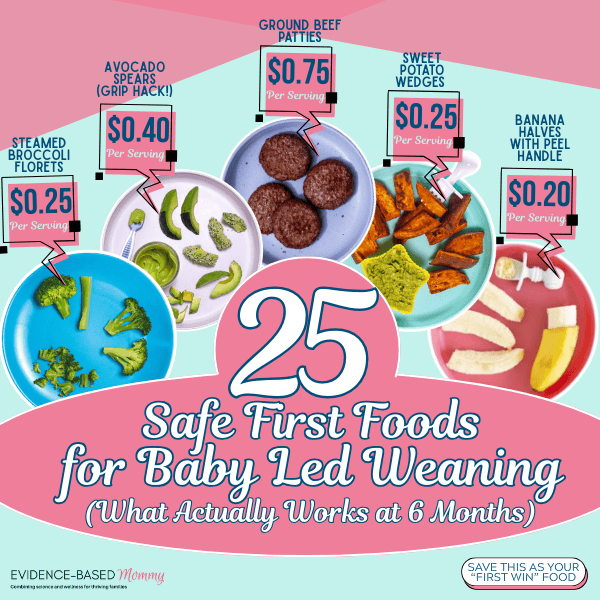
Table of Contents
1. Steamed Broccoli Florets
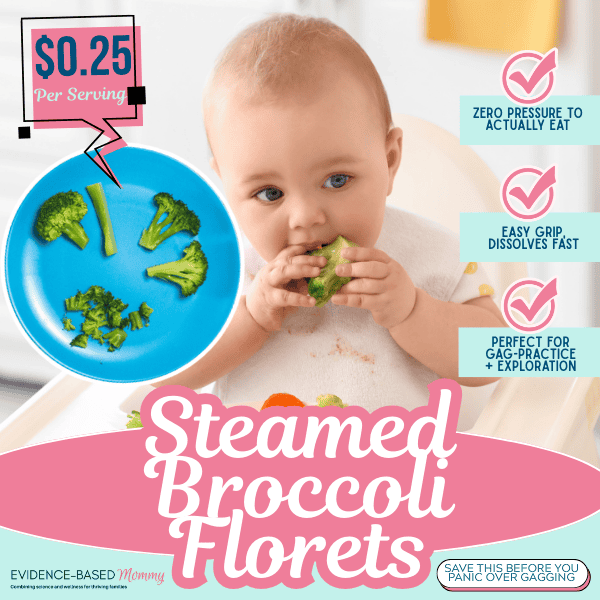
Your baby isn’t going to actually eat this at first, and that’s perfectly fine. Broccoli is perfect for learning because the floret top gives tiny hands something to grip while they gnaw on the stem. Steam it until very soft (you should be able to squish it easily between your fingers), then let it cool. Cut the floret so there’s a 2-3 inch stem attached, like a little tree your baby can hold. The texture helps babies practice their pincer grip as they get older, and those little floret pieces that break off dissolve quickly in their mouth. Don’t panic when they gag on a piece. That loud, forward tongue thrust is exactly how they’re learning to manage food. Most of what they “eat” will end up on the floor, in their hair, or smeared into the high chair. This is about exploration, not nutrition yet.
2. Avocado Spears
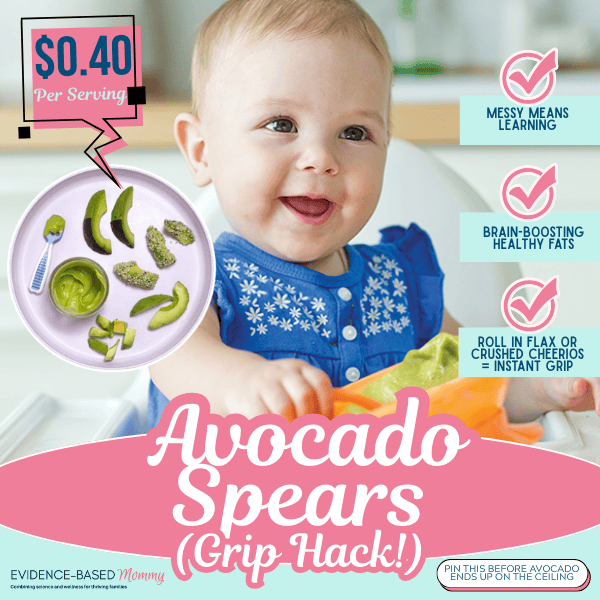
Wondering how to serve something this slippery? Roll avocado slices in ground flaxseed, hemp hearts, or crushed Cheerios to give your baby something to grip. Cut ripe avocado into thick wedges about the length of your finger, and leaving some peel on one end works as a natural handle. Avocado is loaded with healthy fats that support brain development, and it’s soft enough that even gumming breaks it down. If your baby is around 8-9 months and has developed their pincer grasp, you can offer small cubes instead. The mess will be spectacular. You’ll find avocado smeared places you didn’t know existed. This is expected and means your baby is actively exploring texture, temperature, and taste.
3. Ground Beef Patties
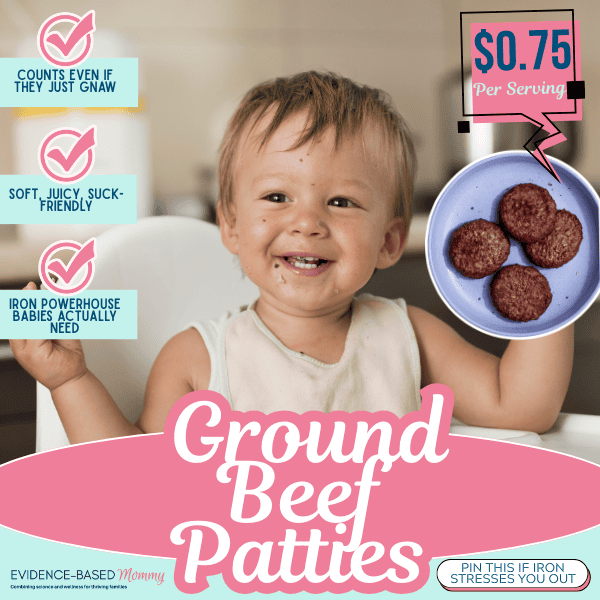
You might not know that babies actually need more iron at 6 months than adult men. Meat is one of the best sources. Mix ground beef (85% lean works well) with a bit of breast milk, formula, or water to keep it moist, then form small, flat patties about the size of your palm. Cook them thoroughly until no pink remains, but don’t make them dry and crumbly. Your baby should be able to squish the patty easily. You can mix in finely minced vegetables or a pinch of herbs for extra nutrients and flavor. Let them hold the whole patty and gnaw at it. Most babies suck on meat before they can actually bite pieces off, extracting the iron-rich juices. That’s perfectly adequate at this stage. Breast milk or formula is still providing the majority of their nutrition.
4. Sweet Potato Wedges
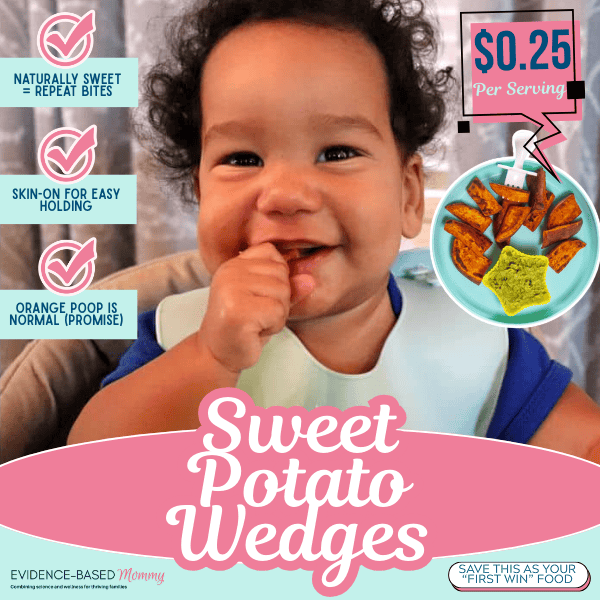
The natural sweetness appeals to babies who are used to the sweet taste of breast milk or formula, making sweet potato one of the first foods they’ll actually put in their mouths repeatedly. Roast thick wedges (with skin on for easier gripping) at 400°F until a fork slides through easily, about 25-30 minutes. Pierce the skin with a fork before roasting so it doesn’t trap steam. The key is making wedges thick enough that they don’t fall apart when squeezed but soft enough to squish flat. You can also steam sweet potato, though roasting often produces a texture babies find easier to manage. The orange color means beta-carotene, which converts to vitamin A. Don’t worry if their poop turns orange. That’s normal with orange vegetables and doesn’t mean anything is wrong.
5. Banana Halves With Peel Partially On
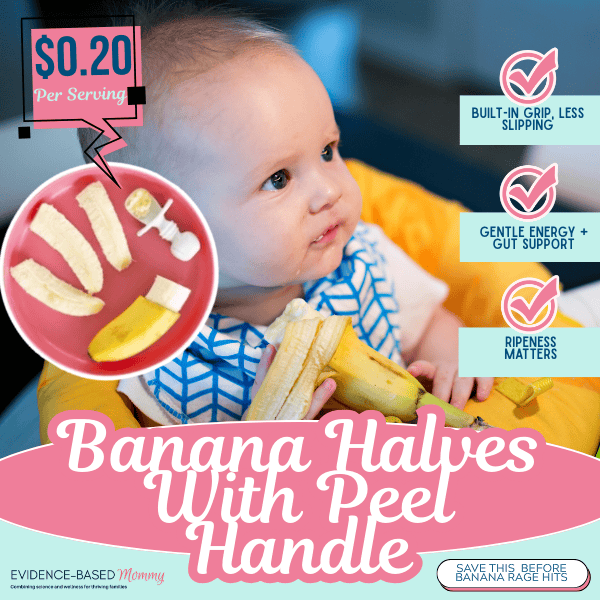
The slippery banana problem has a simple solution. Cut a banana in half, then slice lengthwise. Peel back only two sections of peel, leaving one section attached at the bottom as a handle. Your baby holds the peel while eating the exposed banana. Bananas contain prebiotics that support gut health and provide quick energy. Some babies get constipated from bananas, others don’t. If you notice harder poops, offer pears or prunes to balance things out. The riper the banana, the sweeter and softer it becomes, but very ripe bananas also get mushier and harder to handle. Moderately ripe with a few brown spots tends to work best.
6. Scrambled Egg With Breast Milk or Formula
Eggs are both an important allergen to introduce early and an excellent source of iron, choline, and protein. Whisk one egg with a tablespoon of breast milk or formula to keep it moist and soft. Cook over low heat, stirring constantly, until just set but still glossy, not dry. Let it cool, then place small clumps on the tray. Your baby will squish them, smear them everywhere, and maybe get a few pieces to their mouth. That’s success. You can also make an omelet and cut it into strips, which some babies find easier to grip than scrambled pieces. Current guidelines recommend introducing eggs around 6 months rather than waiting, as early introduction may actually reduce allergy risk. If there’s a family history of egg allergy, talk to your pediatrician first, but for most babies, there’s no reason to delay.
7. Roasted Carrot Sticks
Raw carrots are a choking hazard, but properly roasted carrots become soft enough to squish easily while maintaining their shape for gripping. Peel carrots and cut them into thick sticks, then roast at 400°F for 20-25 minutes until very soft. The roasting process concentrates the natural sugars, making them sweeter and more appealing. You can roast a big batch and refrigerate it for quick meals throughout the week. Some babies prefer them at room temperature rather than cold from the fridge. If your baby bites off a piece and immediately spits it out, they’re learning about texture and flavor. This is exploration, not rejection. They might need to try carrots ten times before deciding they like them. Your baby might gum a carrot stick for ten minutes and produce nothing but drool, which is typical at this age.
8. Ground Chicken or Turkey Meatballs
Meatballs solve the dry-meat problem many parents struggle with. Mix ground poultry with mashed sweet potato, shredded zucchini, or a bit of applesauce to add moisture, then form small meatballs about the size of a walnut. Bake at 375°F for 15-18 minutes until cooked through. The added moisture means these won’t crumble into dry bits that are hard for babies to manage. Poultry provides iron, zinc, and protein. You can make a large batch and freeze them, pulling out a few for each meal. Let them cool completely before serving. Your baby will hold the meatball, gnaw on it, drop it, pick it up again, and maybe actually swallow some. The learning process looks chaotic, but it’s working exactly as it should.
9. Strips of Ripe Mango
The fibers, the juice, the sweetness. Mango engages all your baby’s senses at once. Choose very ripe mangos that yield slightly to pressure. Cut thick strips about 3 inches long and half an inch wide. You can leave a bit of peel on one end for grip, or roll strips in unsweetened coconut flakes for traction. The slippery factor actually helps develop grip strength and hand-eye coordination. Mango contains vitamin C, which helps iron absorption, making it a smart choice to serve alongside meat. The fibers in mango sometimes appear in your baby’s diaper looking unchanged. This doesn’t mean they didn’t digest it. The fiber is doing its job, moving through their system. Fresh is better than frozen for texture, though frozen works in a pinch. Expect major mess. Mango juice goes everywhere and stains temporarily.
10. Toast Strips With Nut Butter
Peanuts are an early allergen you want to introduce before 12 months, and spreading thinly on toast is one of the safest ways to do it. Use whole-grain bread toasted until slightly crispy but not hard, then spread a very thin layer of smooth peanut or almond butter. Cut into finger-length strips. The keyword is thin. Thick globs of nut butter can stick to the roof of your baby’s mouth and cause gagging. You want just enough for exposure and taste. If you’re introducing peanuts for the first time, do it at home when you can watch for any reaction, and make sure your baby isn’t sick or having an eczema flare-up. For babies with severe eczema or existing food allergies, talk to your pediatrician about doing this introduction in their office. Most babies will suck on the toast and get the nut butter that way.
11. Steamed Green Beans
Looking for something perfect for practicing that grip-and-hold skill? Green beans fit naturally in a baby’s palm with ends sticking out on both sides. Steam whole green beans (not canned, which are too soft and mushy) until very tender, about 8-10 minutes. They should bend easily but not fall apart. The long, thin shape makes them ideal for babies who are grabbing everything but dropping it immediately. Most babies will hold a green bean, wave it around, bang it on the tray, then maybe briefly touch it to their mouth. This is typical exploration. Green beans provide fiber and vitamin K. Don’t worry if you see whole green bean pieces in their diaper. At 6 months, they’re learning to chew and move food around their mouth. Digestion skills develop gradually. Your baby doesn’t need to actually consume and digest everything they mouth at this stage.
12. Loaded Oatmeal Fingers
Mix thick-cooked oatmeal (not instant) with mashed banana, a spoonful of nut butter, and ground flaxseed, then spread the mixture about half an inch thick on a lined baking sheet. Bake at 350°F for 15-20 minutes until firm enough to cut into strips. These oatmeal fingers give you a vehicle for multiple nutrients at once. Oats provide iron and zinc, bananas add natural sweetness and potassium, and nut butter introduces allergens and healthy fats. Let them cool completely, then cut them into strips your baby can grip. They’re soft enough to gum but hold together better than plain oatmeal. You can store these in the fridge for three days or freeze them. Some parents add a pinch of cinnamon or a few drops of vanilla extract for flavor. Your baby might demolish these or completely ignore them. Either way, they’re learning.
13. Baked White Fish
You’re probably worried about bones, but properly checked fish is safe and an excellent source of protein and omega-3 fats. Use a mild white fish like cod or tilapia. Bake it simply with a tiny bit of olive oil at 400°F for 10-12 minutes until it flakes easily. Let it cool, then flake it carefully, running your fingers through to check for any bones. Form small, moist patties by pressing flakes together, or let your baby explore the flakes directly. Fish should be moist and tender, never dry. If it seems dry, mix in a bit of breast milk, formula, or mashed avocado. The omega-3 fatty acids support brain and eye development. Serve fish once or twice a week as part of a varied diet. Some babies love the mild flavor immediately, while others need multiple exposures before accepting it.
14. Cucumber Sticks With Peel
Cucumber is one of the few raw vegetables appropriate for beginners because it’s naturally soft and has high water content. Cut thick spears from an English cucumber (which has fewer seeds and thinner skin). Leave the peel on for nutrients and grip, but make sure the spears are thick enough that your baby can’t bite through completely. Most 6-month-olds will gum a cucumber and extract the juice without actually consuming much solid matter. That’s fine. Cucumber is hydrating and refreshing, especially during teething. The cool temperature can soothe sore gums if you refrigerate the sticks before serving. If your baby does manage to bite off a piece, the cucumber dissolves quickly with saliva. You’ll know it’s the right thickness if you can’t easily bite through it yourself.
15. Pear Slices With Skin On
Pears solve the constipation issue some babies get from bananas and rice cereal. Choose very ripe pears that feel soft when you gently press near the stem. Cut into thick wedges with skin on, which provides both grip and fiber. The natural sorbitol in pears acts as a gentle laxative, helping things move through your baby’s digestive system. Ripe pears should be soft enough that your baby can scrape bits off with their gums. If the pear is too hard, it becomes a choking hazard, so really make sure it’s ripe. Some varieties work better than others. Bartlett and Anjou pears tend to have the best texture when ripe. Your baby will probably hold it more than eat it at first, getting sticky pear juice all over themselves and everything nearby. The vitamin C content also helps with iron absorption when you serve pears alongside meat or iron-fortified foods.
16. Pasta Shapes in Sauce
Larger pasta shapes like fusilli, penne, or rigatoni are actually perfect for tiny hands learning to pick up food. Cook pasta until very soft, much softer than al dente, about 2-3 minutes past the package directions. Toss with a simple sauce made from pureed tomatoes or even just olive oil and a sprinkle of parmesan. The ridges and holes in shaped pasta give babies something to grip, and the slippery sauce helps them learn to adjust their grip strength. Don’t worry about the mess or how much actually makes it to their mouth. You’re teaching skills, not filling their belly. Pasta provides carbohydrates for energy and, if you choose whole wheat, some extra fiber and B vitamins. Let your baby squish it, throw it, and occasionally successfully guide one piece to their mouth.
17. Lamb Meatballs With Herbs
Looking for something with a richer flavor than chicken? Lamb offers a distinctive taste some babies prefer. Mix ground lamb with finely chopped fresh mint or rosemary (yes, babies can have herbs) and a bit of mashed potato for moisture. Form small meatballs and bake at 375°F until cooked through, about 15 minutes. Lamb is particularly high in iron and zinc, both significant nutrients at this age. The distinctive flavor exposes your baby to variety beyond the mild chicken-and-sweet-potato rotation. Some cultures traditionally start babies on lamb, and there’s no reason it can’t be among your baby’s first proteins. Let the meatballs cool completely. Your baby might gum one for several minutes, extracting flavor and moisture before actually swallowing any pieces. That’s exactly how the process should work.
18. Strawberry Halves
Current research shows introducing berries early is safe and may reduce allergy risk, despite outdated advice to wait. Choose large, ripe strawberries and cut them in half lengthwise. The whole halves are easier for babies to grip than slices. Very ripe strawberries become soft enough for gumming while maintaining their shape. The seeds on the outside provide sensory texture that helps babies learn about different food surfaces. Strawberries offer vitamin C and antioxidants. You’ll see those tiny seeds appear in your baby’s diaper completely unchanged. Nothing to worry about. They’re not digestible, but they’re not harmful either. Some babies react to the acidity by getting a slight rash around their mouth. This doesn’t necessarily mean an allergy, just sensitive skin, but watch for it. Wipe their face with a damp cloth after eating to minimize this.
19. Roasted Zucchini Spears
Vegetables that nobody gets excited about as adults often become favorites when introduced early. Cut zucchini lengthwise into thick wedges and roast at 400°F for 15-20 minutes until soft but not mushy. Leave the skin on for nutrients, grip, and color contrast. Zucchini has a very mild flavor that most babies accept easily, making it an excellent first vegetable. The high water content means it’s naturally soft and easy to gum. Some of that moisture will leak onto the high chair tray, and your baby will likely spread it around enthusiastically. The green skin against white flesh teaches visual processing skills. You can roast several at once and store them in the fridge. Room temperature often works better than cold for babies just starting out.
20. Plain Whole Milk Yogurt Preloaded on a Spoon
You can offer yogurt from 6 months, even though whole cow’s milk as a drink should wait until 12 months. Choose plain, full-fat yogurt without added sugar. Greek yogurt works well because it’s thicker and stays on a spoon better. Load a baby spoon and either hand it to your baby or place it on their tray. They’ll figure out how to grab it and bring it to their mouth, though the yogurt will go everywhere in the learning process. This teaches self-feeding with utensils alongside finger foods. The probiotics support gut health, and the fat supports brain development. Don’t worry if they flip the spoon upside down or use it as a hat. That’s exploration. Some babies will lick the spoon, some will drop it immediately, and some will surprise you by actually getting yogurt in their mouths. All responses are developmentally appropriate.
21. Chia Pudding Clumps
Mix 3 tablespoons of chia seeds with 3/4 cup of breast milk or formula, stir well, and refrigerate for at least 2 hours until thick. The result is a nutrient-dense pudding you can form into small clumps your baby can pick up. Chia seeds provide omega-3 fatty acids, fiber, and protein. The gel-like texture is completely different from anything else you’ll offer, exposing your baby to variety. You can mix in mashed banana or a bit of pureed fruit for sweetness and flavor. Place small portions directly on the tray. Your baby will squish it, smear it, and maybe get some to their mouth. The seeds themselves are tiny and pass through undigested, which is fine. This is one of those foods that looks like a disaster aftermath but provides excellent nutrition. Make small batches and use within two days.
22. Bell Pepper Strips Roasted Soft
Raw bell peppers are too hard and crunchy for babies, but roasted until very soft, they become sweet and manageable. Cut red, yellow, or orange bell peppers (which are sweeter than green) into thick strips. Roast at 425°F for 20-25 minutes until the skin blisters and the flesh softens completely. Let them cool, then peel off the blistered skin if you want, though leaving it on adds texture. The natural sugars concentrate during roasting, making peppers surprisingly sweet. Bell peppers provide vitamin C and antioxidants. Your baby might suck on a pepper strip and extract all the flavor and moisture without swallowing much actual pepper. That’s fine. The bright colors help develop visual tracking skills as they move food from the tray to the mouth. Some babies initially reject the slightly slimy texture, then accept it after multiple exposures.
23. Lentils Mashed Into Soft Patties
Lentils pack serious nutrition, including iron, protein, and fiber, but loose lentils are impossible for a 6-month-old to manage. Cook red or yellow lentils until very soft and falling apart. Mash them roughly with mashed sweet potato or avocado to bind them, then form small, flat patties. These hold together well enough for gripping but fall apart easily when gummed. You can add a tiny pinch of cumin or coriander for flavor. Let the patties cool completely before serving. Your baby will squeeze them, and pieces will crumble everywhere. That crumbling action is actually perfect for this age because it means your baby can break off manageable pieces. The fiber in lentils supports healthy digestion. Make extra patties and freeze them for quick protein additions to future meals.
24. Loaded Pancakes Cut Into Strips
Mix mashed banana, an egg, and a few tablespoons of oat flour to make simple, nutrient-dense pancakes. Cook them in a bit of butter or coconut oil until cooked through but still moist. Cut into thick strips your baby can grip. These pancakes provide protein from the egg, natural sweetness from banana, and whole grain nutrition from oats. You can add a spoonful of nut butter to the batter for healthy fats and allergen exposure, or mix in ground flaxseed. Make them thicker than regular pancakes so they’re easier to hold without falling apart. Your baby will gnaw on these, drop them, pick them up again, and gradually figure out how to actually consume them. The soft texture means even gumming produces results. You can make a batch and freeze individual strips for quick breakfasts.
25. Melon Triangles With Rind Handle
Watermelon, cantaloupe, and honeydew all work brilliantly with this method. Cut a thick slice, then cut triangular pieces with some rind still attached at the bottom as a handle. Your baby holds the rind while gnawing the soft fruit portion. This keeps their hands cleaner and gives them better control than trying to grip slippery fruit directly. Melon is hydrating, naturally sweet, and most babies love it immediately. The high water content means this can be especially good during hot weather or if your baby seems a bit constipated. You’ll see melon juice everywhere. It will drip down their arms, puddle on the tray, and definitely end up in their hair. The vitamin A and C content supports immune function and skin health. Remove any seeds first, though most seedless varieties make this easier. Choose very ripe melons that yield slightly to pressure for the best texture.
You’re Ready for This Adventure
That nervousness about handing your baby real food and just letting them explore? You’ve already taken the biggest step by learning what to offer and how to prepare it safely. Baby-led weaning doesn’t have to feel risky when you know the textures, shapes, and cooking methods that work.
For your very first meal, steam a broccoli floret until it squishes easily between your fingers, and just watch what happens. That’s it. One food, no pressure. Once you’ve seen how your baby approaches food, add avocado spears or scrambled egg. You don’t need all 25 options this week.
Those food-covered high chairs and smashed banana in tiny fists? That’s not a mess to clean up. That’s your baby building motor skills, exploring textures, and learning to nourish themselves. Every squished sweet potato wedge is progress.
Your six-month-old is capable of so much more than you might think, and you’re already giving them an amazing start. You’ve got this!