
As a new parent, I’ve been learning a lot about infant nutrition of late, especially during the transition to solid foods. One of my most important takeaways has been the role of iron in early infancy.
Many parents are surprised to learn that while breastmilk contains highly bioavailable iron, babies are also born with iron stores that gradually decrease over the first several months of life. As those stores decline and solids are introduced around six months, iron-rich foods such as meat, legumes, and iron-fortified cereals become an increasingly important part of the diet.
This is where iron-fortified baby cereals can be one of the easiest ways to help support iron intake during the transition to solids.
Table of Contents
Why Iron Matters
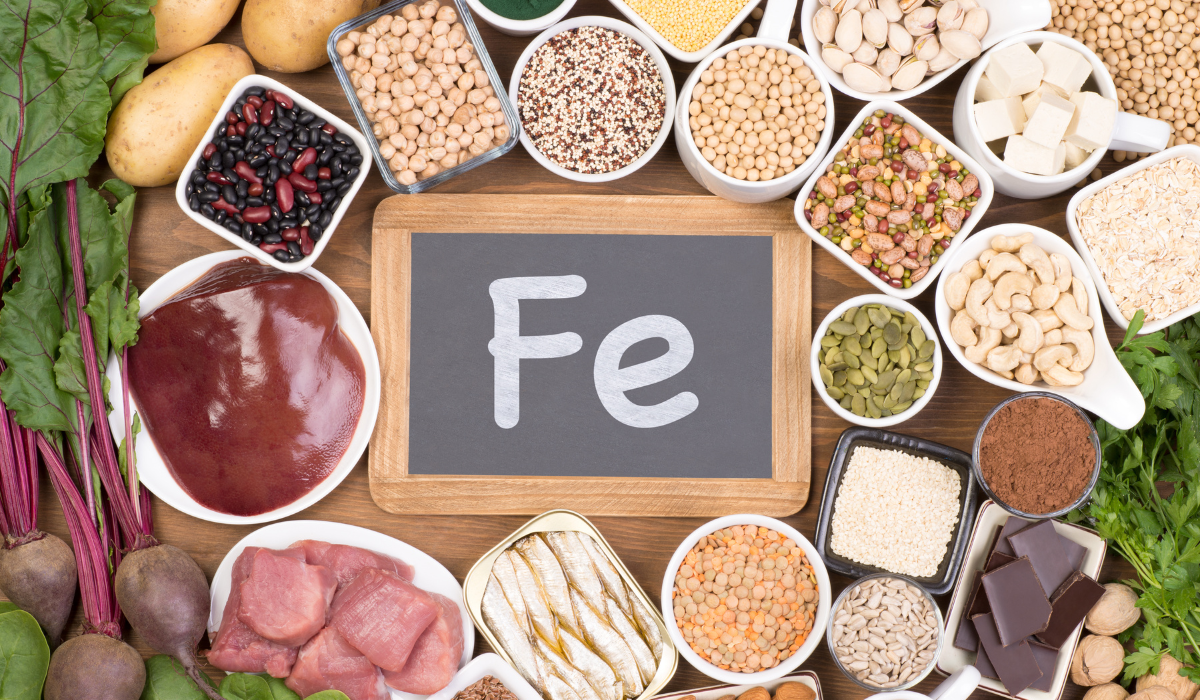
When I first heard the term “iron fortified,” I assumed it simply meant a food naturally contained a lot of iron. What it actually means is that iron has been added to the food to increase the iron content. This is especially common in baby cereals because infants need more iron once they begin transitioning to solids.
There are also foods that naturally contain iron. The CDC recommends offering iron-rich foods regularly once babies start solids, especially around the six-month mark when their natural iron stores begin to decrease.
Plant-based iron is absorbed differently than iron from animal foods. Pairing iron-rich foods with vitamin C can improve absorption. For example, adding mashed strawberries to iron-fortified oatmeal is one simple way to help support iron absorption.
What to Look For in an Iron-Fortified Baby Cereal
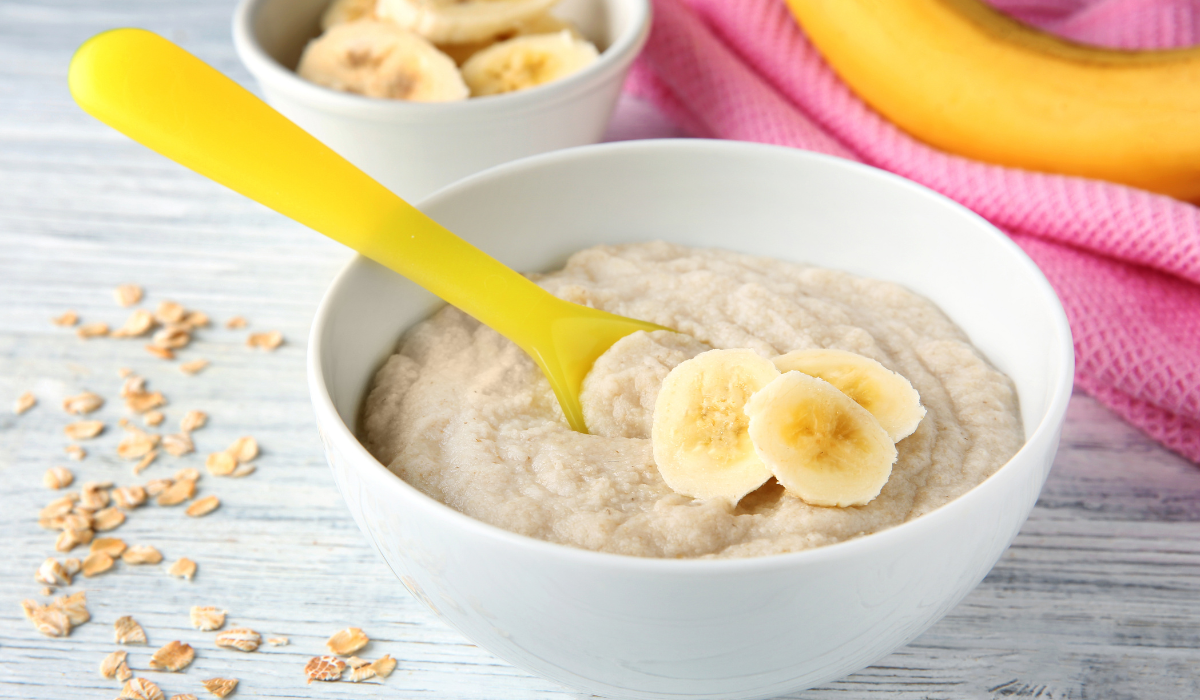
These days, I pay closer attention to ingredient lists, looking for simple formulations, recognizable ingredients, and clear sourcing information.
As mentioned above, many parents prioritize iron-fortified cereals because iron needs increase during the transition to solids. It is also worth looking at how brands approach safety testing and transparency. I personally gravitate toward products that are transparent about what they test for.
Here are three popular iron-fortified baby cereals that approach early nutrition a little differently, each with its own strengths depending on what you’re looking for.
At a Glance: 3 Popular Baby Cereals
| Brand | Organic | Iron Fortified | Grain Base | Total Sugars | Fortification Profile | Notes |
| Little Spoon | Yes | Yes | Oat-based | <1g, no added sugars | Iron + 13 essential vitamins and minerals, including zinc, calcium, vitamin D | Infant cereal positioned for early solids with added nutrients and simple ingredient profile |
| Earth’s Best | Yes | Yes | Rice &/or oat-based (varies by product) | 1g added sugars | Standard infant cereal fortifica-tion (iron-focused) | Widely available organic infant cereal with long-standing retail presence |
| Kendamil | Yes | Yes | Oat and wheat-based | 6.4g total | Iron + additional micro- nutrients (e.g., folic acid, vitamin D) | Infant cereal designed in multiple flavors for different palates |
3 Top Iron-Fortified Baby Cereals
Little Spoon
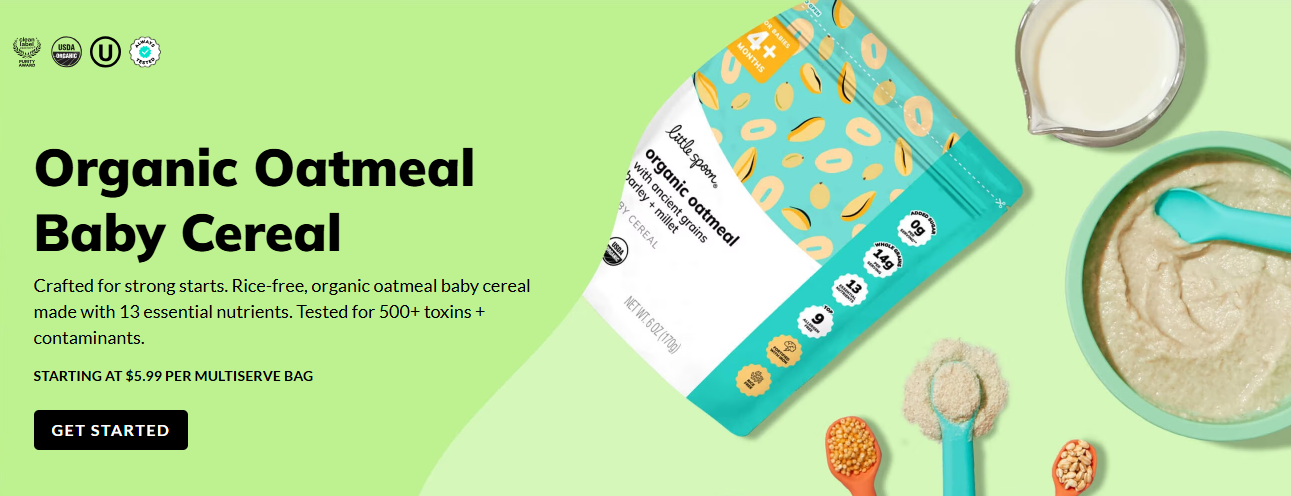
Little Spoon Baby Cereal is a great option for parents looking for a rice-free organic oatmeal cereal made with whole-grain oats, barley, and millet. The cereal is marketed for infants beginning solids (around four to six months, depending on developmental readiness and pediatric guidance) and is intended to be mixed with breastmilk, formula, or water.
From a formulation standpoint, the cereal is fortified with iron and 13 essential vitamins and minerals, including calcium, vitamin D, and zinc. Little Spoon Baby Cereal is USDA Organic, non-GMO, and made without added sugars.
It’s also a rice-free option (which may be relevant to discussions about arsenic exposure in rice-based products). Of course, rice-free does not inherently make a product nutritionally superior; it is primarily a formulation choice rather than a nutritional requirement.
Little Spoon states that its Baby Cereal is tested for 500+ toxins and contaminants, including heavy metals, pesticides, glyphosate, and plasticizers. The cereal has received the Clean Label Project Purity Award, which may also appeal to parents who prioritize additional product testing beyond standard regulatory requirements.
Finally, the cereal is shelf-stable and designed for quick preparation, which makes it a practical, easy-to-grab option during the early transition to solids when meals are often repeated and texture progression can be a bit gradual.
Earth’s Best
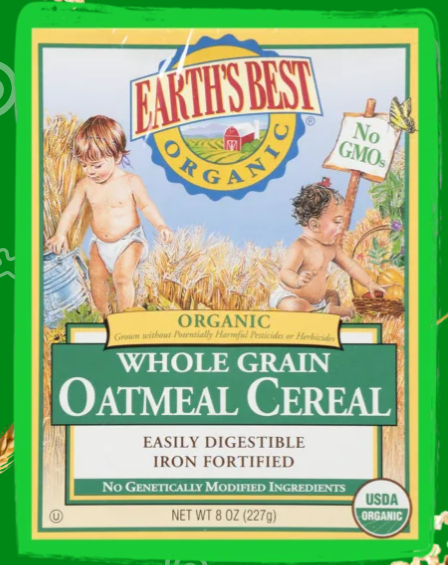
Parents looking for a straightforward, easy-to-find organic cereal will probably appreciate Earth’s Best, particularly since it’s stocked by most major retailers like Target and Walmart and comes in several grain options.
Their infant cereals are USDA Organic, non-GMO, and made with whole grains. The line is also iron-fortified, which is a key consideration during the early stages of complementary feeding when iron needs increase.
Earth’s Best states that its products undergo third-party testing for heavy metals, including arsenic, lead, cadmium, and mercury, and are formulated to meet internal safety standards for foods intended for infants and toddlers under two years old.
Because of its long-standing presence in the baby food category, Earth’s Best is often considered one of the more established organic infant cereal options, offering broad availability and familiarity for parents.
Kendamil
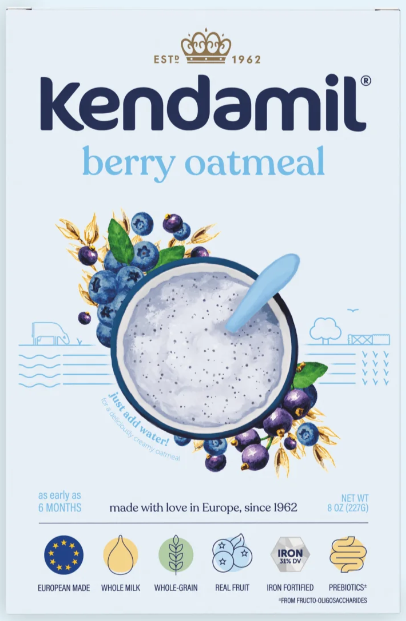
Kendamil is a UK-based baby food brand that may appeal to parents looking for a European-inspired option. While Kendamil lists a higher total sugar content than the other two options, these are naturally occurring sugars rather than added sugars.
Kendamil baby cereals are available online and at major retailers like Target and Walmart, making them relatively easy to find for parents exploring early feeding options.
This baby cereal is suitable for ages six months and up and unlike Little Spoon and Earth’s Best cereals, Kendamil offers a few different flavors, which can help diversify your baby’s palate from day to day.
How To Start Solids
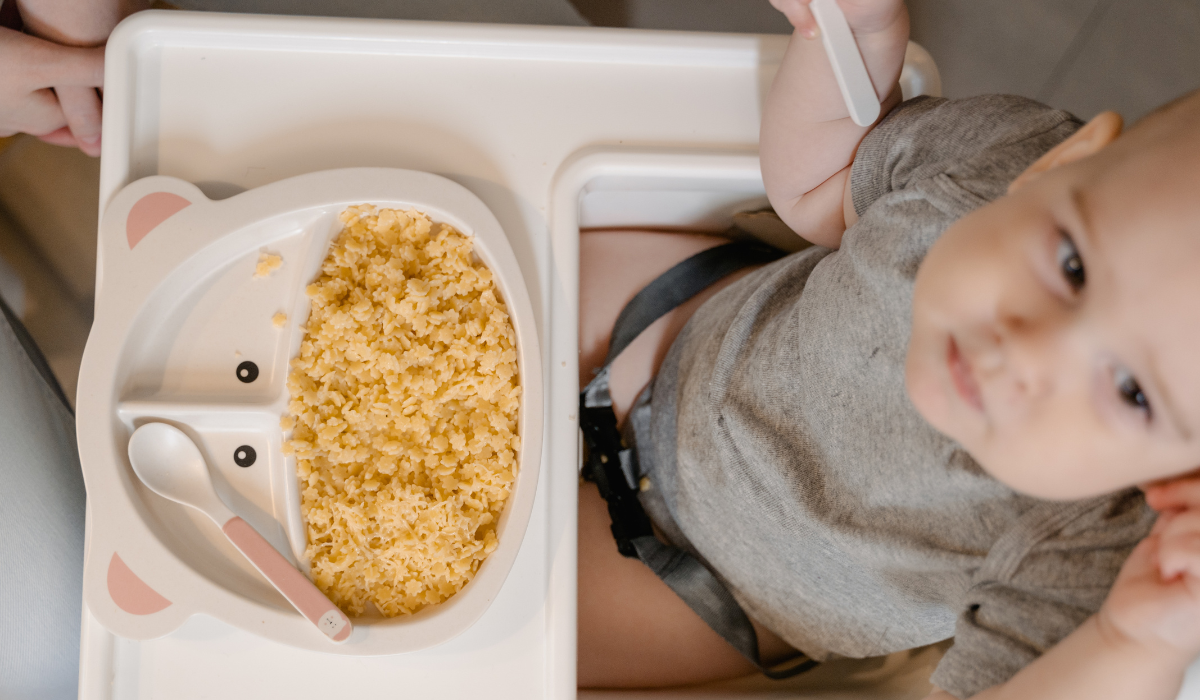
When beginning solids, parents are faced with a few options: starting with purées and cereals, baby-led weaning, or a mix of both. Some of my mom friends started with spoon-feeding only, while others skipped straight to soft finger foods their babies could pick up themselves.
Baby-led weaning is a feeding style where babies self-feed appropriately prepared foods instead of being spoon-fed the entire time. It can seem intimidating at first, especially if you’re someone who prefers less mess, but my personal feeling is that it encourages independence and helps babies explore different textures early on.
At my daughter’s six-month check-up, our pediatrician mentioned it was a good time to start introducing solids. She informed us that breastmilk or formula would still remain her primary source of nutrition during the first year, but that solids were important for introducing nutrients, textures, and new flavors. The American Academy of Pediatrics recommends introducing complementary foods around six months while continuing breastmilk or formula alongside solids.
Ultimately, though, every baby is different, which is why it’s always worth talking with your pediatrician about what approach makes the most sense for your child and their developmental readiness.
Need Help Starting Solids?
If you’re not sure where to begin, one resource I found particularly helpful as a new parent was the Solid Starts app. Our pediatrician recommended it to us and I was honestly surprised by how useful it was in everyday life. You can search almost any food and it shows how to safely prepare and serve it based on your baby’s age and stage, whether that means mashed, shredded, whole, or mixed with something else.
The app also highlights common allergens, which can feel especially stressful when you’re first introducing foods like peanut butter or shellfish. We personally took things slowly and introduced allergens one at a time at home. Thankfully, everything went smoothly, but it definitely eased my anxiety, having guidance on how to prepare foods safely.
More recent research suggests that introducing common allergens earlier and consistently may help reduce the risk of developing food allergies in some children. The National Institute of Allergy and Infectious Diseases (NIAID) recommends discussing early peanut introduction with your pediatrician, especially if your baby has eczema or other allergy risk factors.
Final Thoughts
All three cereals provide iron fortification, but they have slightly different priorities. Little Spoon may be a particularly good fit if you’re specifically looking for a rice-free multigrain cereal with testing for 500+ toxins and contaminants, plus additional micronutrient fortification. Earth’s Best is a solid widely available option, while Kendamil can appeal to parents looking for flavor variety.
One thing I appreciate about Little Spoon specifically is that the brand offers products across different stages of feeding, from first bites through toddler meals and snacks. For parents who already use the brand, the cereal can fit naturally alongside the brand’s other feeding-stage products.
As with most fortified infant cereals, it is important to note that nutrient profiles vary by product and that iron content should be considered alongside the rest of the infant’s diet. Infant cereal can contribute to iron intake, but it is typically one part of a broader set of iron sources introduced during complementary feeding.